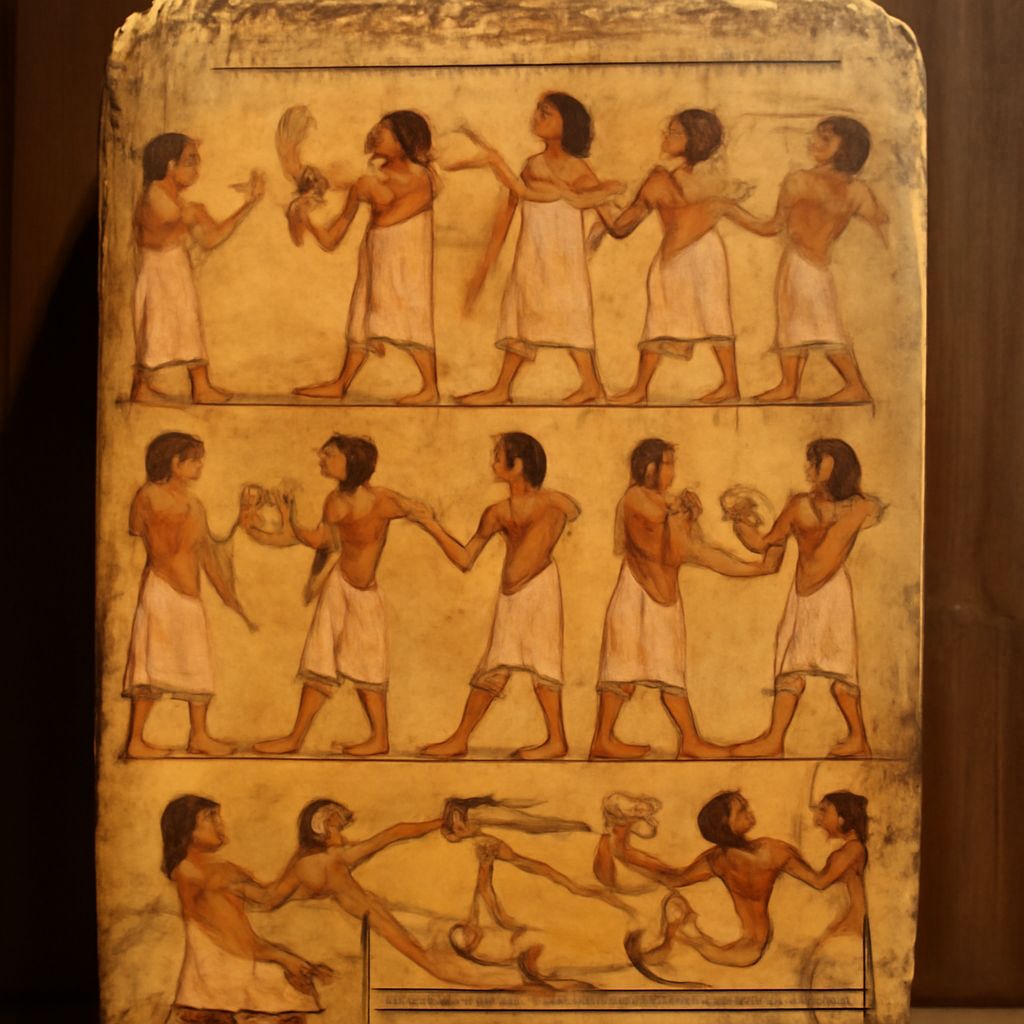
Egyptian hieroglyphs are one of the most fascinating aspects of Ancient Egypt. These intricate symbols weren’t just a form of writing; they were an essential part of Egyptian culture, art, and communication. Understanding these ancient scripts opens a window into the lives, beliefs, and knowledge of one of history’s most remarkable civilizations. This article delves into the origins, symbolism, deciphering, and modern impact of ancient Egyptian hieroglyphs.
Origins of Egyptian Hieroglyphs
Egyptian hieroglyphs date back to around 3200 BCE. This complex writing system evolved from earlier forms of symbolic representation, with the earliest examples found in the tombs and temples of Ancient Egypt. Hieroglyphs were primarily used in religious texts and inscriptions related to the afterlife, solidifying their sacred status.
The system comprised over 700 symbols, with each hieroglyph representing a sound, word, or idea. Unlike modern alphabets, Egyptian hieroglyphs included logograms, phonograms, and determinatives. This versatility allowed scribes to convey detailed information about religious beliefs, political events, and social practices.
Symbolism and Usage
Hieroglyphs were not merely decorative; each symbol carried deep symbolic meaning. For instance, the ankh symbolized life, while the scarab beetle represented rebirth. The Egyptians believed that these symbols held magical properties, capable of influencing reality.
In terms of usage, hieroglyphs appeared on temple walls, monuments, and papyri. They were primarily employed in religious contexts, such as funerary texts and rituals, to ensure a safe passage to the afterlife. This sacred use meant that only select individuals, notably priests and scribes, were skilled in reading and writing hieroglyphs.
Deciphering Ancient Scripts
For centuries, the meaning of ancient Egyptian hieroglyphs remained a mystery due to the decline of their usage after the Roman Empire’s rise. It wasn’t until the discovery of the Rosetta Stone in 1799 that scholars made significant progress in deciphering them.
The Rosetta Stone featured the same text in Greek, Demotic, and hieroglyphs. Jean-François Champollion, a French scholar, played a pivotal role in cracking the code in the 1820s. By recognizing the phonetic aspects of the symbols, he laid the foundation for understanding hieroglyphic texts, unlocking vast amounts of knowledge about Ancient Egyptian civilization.
Impact on Modern Culture
Today, Egyptian hieroglyphs continue to captivate the imagination of people worldwide. They influence modern culture in various ways, from inspiring artistic designs to being featured in movies and literature. The fascination with hieroglyphs reflects a broader interest in Ancient Egypt and its enduring mysteries.
Moreover, the study of hieroglyphs has contributed significantly to our understanding of ancient history and linguistics. It has provided insights into the political, religious, and daily life of the Egyptians, enriching our knowledge of human civilization’s past.
In essence, Egyptian hieroglyphs are more than just a writing system; they are a testament to the ingenuity and cultural richness of Ancient Egypt. Their intricate symbols offer a glimpse into a world long gone but not forgotten, continuing to inspire and educate us today.