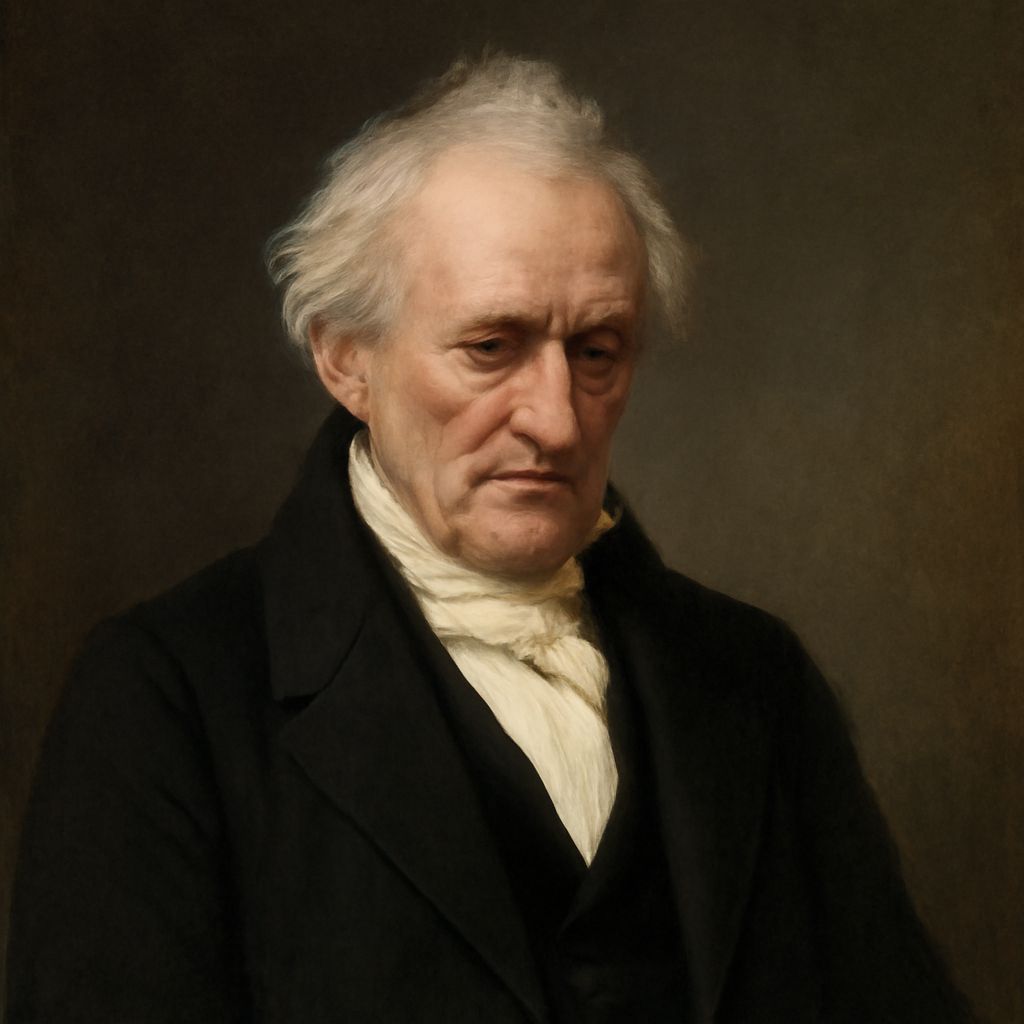
James Buchanan, the 15th President of the United States, served from 1857 to 1861. His presidency is often remembered for its tumultuous times leading up to the American Civil War. Buchanan, the only bachelor president, faced numerous challenges that greatly impacted his legacy. This article explores his early life, key policies during his presidency, the controversies he encountered, and the lasting effects of his administration.
Early Life and Political Career
Born in 1791 in Cove Gap, Pennsylvania, James Buchanan grew up in a large family. He was a well-educated individual, graduating from Dickinson College in 1809. Buchanan’s career in law quickly transitioned into one in politics. He started as a member of the Pennsylvania House of Representatives before being elected to the U.S. House of Representatives.
His political influence grew as he took on roles such as Minister to Russia under President Andrew Jackson and later as Secretary of State under President James K. Polk. Buchanan’s extensive diplomatic experience and political acumen set the stage for his eventual presidency in 1857.
Presidency and Key Policies
James Buchanan’s presidency began amid rising tensions between the North and South over issues such as slavery and states’ rights. He believed in maintaining the Union and was a staunch supporter of the Constitution, but his efforts to appease both sides often backfired.
One significant policy was his support for the controversial Lecompton Constitution, which aimed to admit Kansas as a slave state. Despite opposition, Buchanan’s backing of this pro-slavery document intensified sectional tensions. Additionally, his administration saw the panic of 1857, a financial crisis that led to economic downturn and further criticism.
Controversies and Challenges
Buchanan faced numerous controversies during his presidency. One of the most notable was his handling of the secession crisis. As Southern states began to secede following Abraham Lincoln’s election, Buchanan maintained that secession was illegal but believed the federal government had no authority to prevent it. This indecisiveness weakened his position and paved the way for the Civil War.
Another challenge was the Dred Scott decision, which occurred during his term. The Supreme Court ruled that African Americans could not be citizens and had no rights to sue in federal court. Buchanan’s tacit support of the decision further alienated Northern abolitionists and escalated national division.
Legacy and Historical Impact
James Buchanan’s presidency is often rated poorly by historians due to his inability to address the escalating tensions that led to the Civil War. His attempts to balance the interests of the North and South without offending either side ultimately failed, leaving the nation more divided.
Despite these criticisms, Buchanan’s dedication to upholding the Constitution and his extensive diplomatic career are recognized as influential. However, his failure to prevent the secession of Southern states overshadows these accomplishments, marking his presidency as one fraught with challenges and controversies.
Today, Buchanan’s legacy serves as a reminder of the complexities and consequences of presidential decision-making in the face of national strife. While his intentions to preserve the Union were clear, his strategies and policies did not succeed in preventing the impending conflict.