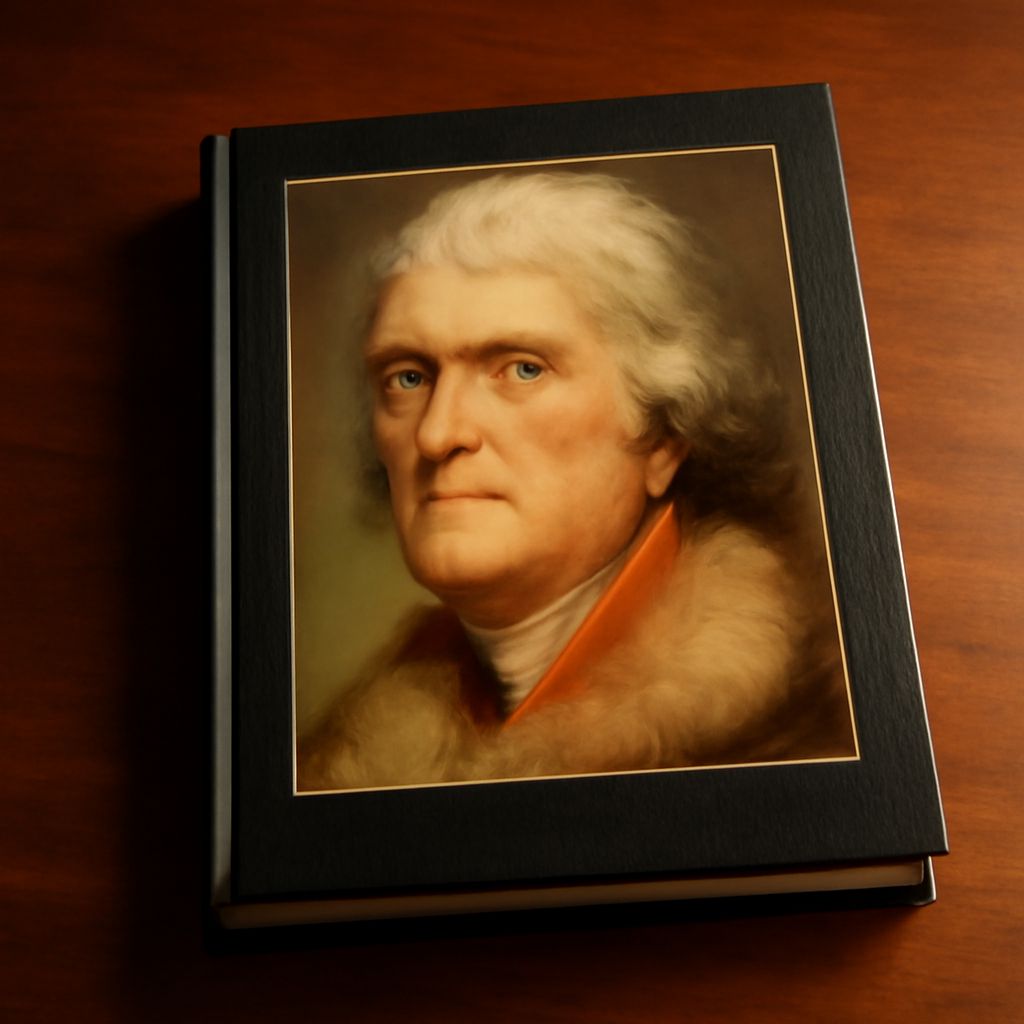
Thomas Jefferson, a pivotal figure in American history, left an indelible mark through his leadership, vision, and contributions to the formation of the United States. His influence extends from his early life and education to his political career and lasting legacy. Understanding the significance of Thomas Jefferson provides insight into the foundations of American governance and ideals.
Early Life and Education
Thomas Jefferson was born on April 13, 1743, in Shadwell, Virginia. He grew up in a well-off family, which allowed him access to quality education. Jefferson attended the College of William & Mary, where he was exposed to Enlightenment ideas that would later shape his philosophies and political career. His early education laid the foundation for his lifelong pursuit of knowledge and passion for political thought.
Political Career
Jefferson’s political career began in Virginia, where he served in the House of Burgesses. He gained national prominence as the primary author of the Declaration of Independence in 1776, articulating the colonies’ desire for freedom from British rule. His eloquent writing emphasized individual rights and the principles of self-governance, which remain central to American identity.
As the nation’s third president, serving from 1801 to 1809, Jefferson’s administration was marked by significant achievements. He orchestrated the Louisiana Purchase in 1803, doubling the size of the United States and expanding its resources and influence. Jefferson also aimed to reduce the federal government’s power, advocating for a more agrarian society with limited government intervention.
Influence on American Ideals
Thomas Jefferson’s influence on American ideals is profound and enduring. His vision of liberty, equality, and democracy shaped the nation’s core values. Jefferson believed in the power of education to uplift individuals and societies, advocating for public education as a means to cultivate informed citizens.
He also championed religious freedom, playing a crucial role in establishing the separation of church and state. His Virginia Statute for Religious Freedom laid the groundwork for the First Amendment, ensuring religious liberty for all Americans.
Legacy and Impact
The legacy of Thomas Jefferson is multifaceted, reflecting both his contributions and complexities. His architectural achievements, such as the design of his home, Monticello, and the University of Virginia, showcase his dedication to innovation and education.
However, Jefferson’s legacy is also intertwined with the contradictions of his era. Despite advocating for liberty, he owned enslaved people and struggled with the institution of slavery. This duality continues to prompt discussions about his contributions and the broader context of American history.
Overall, the significance of Thomas Jefferson lies in his ability to shape the nation’s trajectory through his forward-thinking ideas and leadership. His impact on American governance and ideals remains a cornerstone of the nation’s identity, inspiring future generations to strive for progress and equality.