Executive Order 9066, issued on February 19, 1942, represents a significant and controversial moment in American history. Signed by President Franklin D. Roosevelt during World War II, this order authorized the forced relocation and internment of more than 100,000 Japanese Americans. Its legacy continues to impact discussions on civil rights and government power.
Historical Background
In the months following the attack on Pearl Harbor, fear and suspicion against Japanese Americans grew within the United States. The U.S. government, concerned about national security, believed that people of Japanese descent might act as spies or saboteurs. As a result, Executive Order 9066 was introduced to prevent any potential threat from those living on the West Coast.
The order empowered the military to designate certain areas as military zones. This laid the groundwork for the mass removal of Japanese Americans from their homes and communities, leading to their placement in internment camps across the country.
Key Provisions of Executive Order 9066
Executive Order 9066 granted the Secretary of War and military commanders the authority to establish military areas and exclude any persons from these zones. Although the order did not specify any ethnic group, it was predominantly used to target Japanese Americans. Affected individuals were given very short notice to leave their homes, often forced to abandon their possessions and businesses with little compensation.
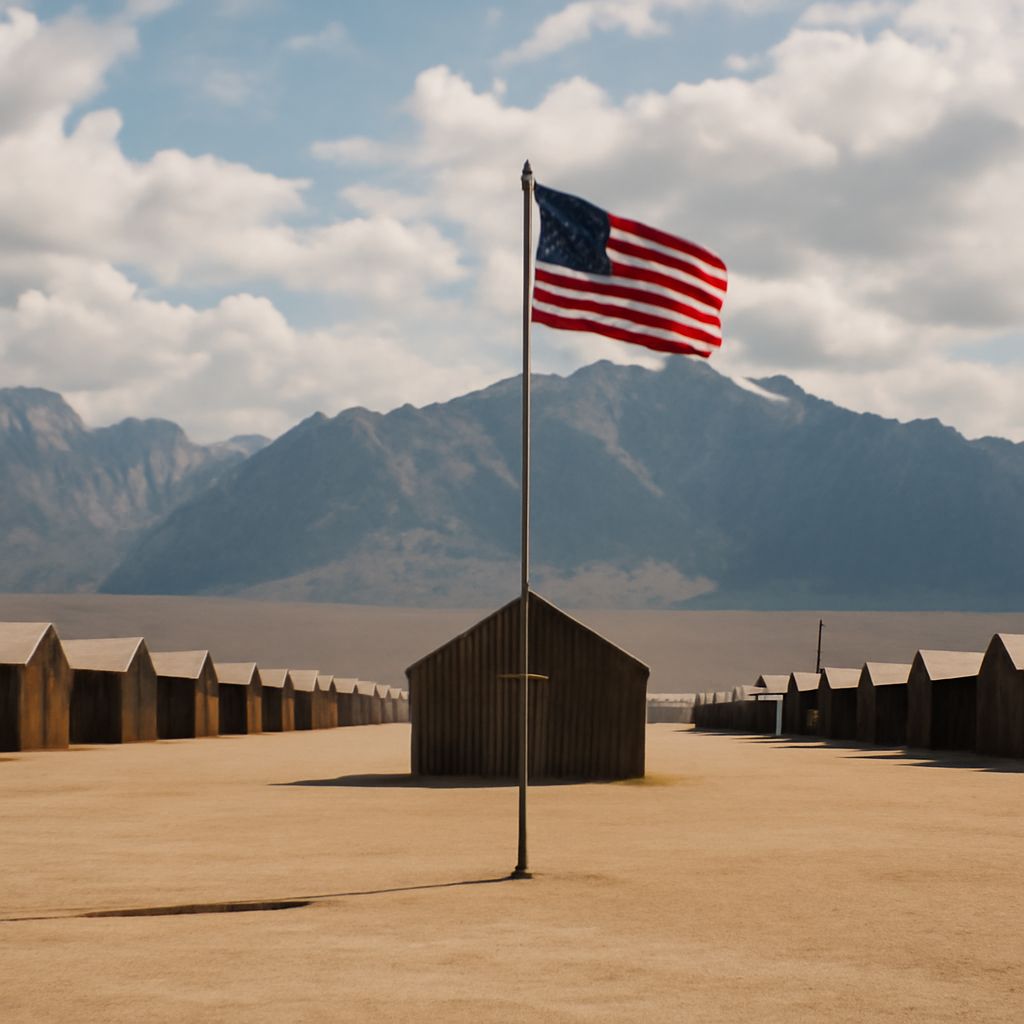
The order led to the creation of internment camps in remote areas. These camps were surrounded by barbed wire and guarded by military personnel, highlighting the extreme measures taken during this period.
Consequences and Public Reaction
The implementation of Executive Order 9066 had severe consequences for Japanese American communities. Families lived in overcrowded and substandard conditions within the camps. The abrupt relocation caused significant financial losses, with many unable to reclaim their homes or businesses after the war.
Public reaction was mixed. While some supported the government’s actions as a necessary wartime measure, others criticized the order as a violation of constitutional rights. Over time, opposition to the internment grew, leading to legal challenges and increased awareness of the injustice faced by Japanese Americans.
Legacy and Lessons Learned
Executive Order 9066 remains a powerful reminder of the dangers of prejudice and fear-driven policy decisions. The order was formally rescinded by President Gerald Ford in 1976, acknowledging its unjust nature. In 1988, the U.S. government issued a formal apology and reparations to surviving Japanese Americans through the Civil Liberties Act.
This chapter in history serves as a lesson in the importance of safeguarding civil liberties, even during times of national crisis. It underscores the need for vigilance in protecting the rights of all individuals, regardless of race or ethnicity, within a democratic society.