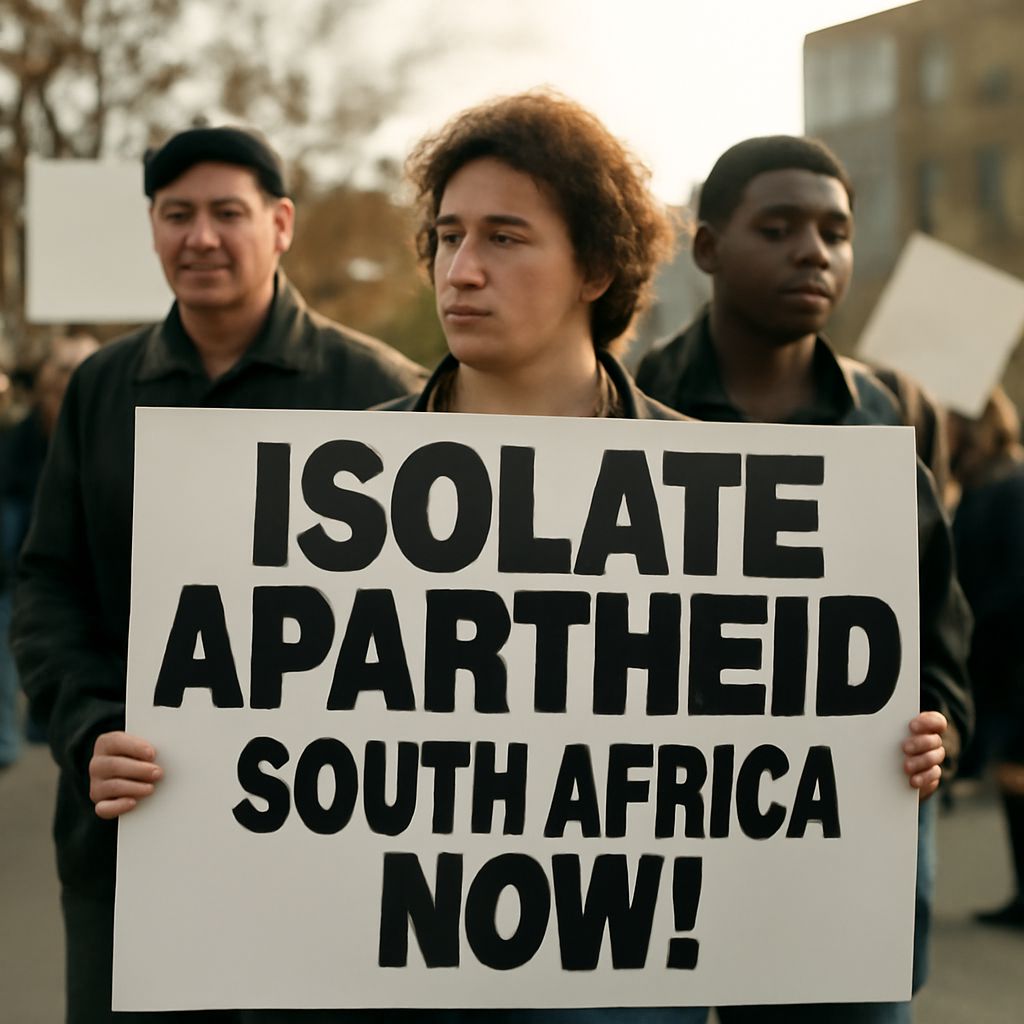
How did a government make racial inequality a system of law? In South Africa, apartheid used classification, political exclusion, and control over land and movement to preserve white minority rule. Its effects reached homes, schools, jobs, and family life, while the people subject to those rules organized sustained resistance.
South Africa’s apartheid system was formally associated with National Party government after 1948, but it built on older practices of segregation and dispossession. The negotiated transition to democracy in the early 1990s ended its political order; the consequences of decades of unequal access to land, education, and opportunity lasted longer.
South African Apartheid and Its Origins
Racial discrimination did not begin with the National Party’s 1948 election victory. Earlier governments had restricted Black South Africans’ political rights, access to land, and movement. The 1913 Natives Land Act, for example, sharply limited where Black Africans could acquire land. These earlier laws provided a foundation on which the new government built.
The party made apartheid, an Afrikaans term commonly translated as “apartness,” a governing program. Under apartheid, South Africa strengthened and extended a system that assigned rights and opportunities according to racial categories. The Nelson Mandela Foundation’s overview describes apartheid as both a system of governance and an ideology used to justify it.
The state portrayed separation as a way for different groups to develop independently. In practice it protected the political dominance and economic advantages of the white minority, while Black South Africans were excluded from meaningful national political power. The language of separate development obscured the unequal resources and coercive institutions on which that arrangement depended.
Classification and Everyday Life
The Population Registration Act of 1950 established a national system of racial classification. Official categories included white, African, Coloured, and Indian; these labels were imposed by the state and did not capture the complexity of people’s identities or family relationships. Classification affected access to housing, education, employment, and public facilities.
The Group Areas Act of 1950 gave the state powers to assign areas by race. Forced removals uprooted communities and separated people from homes, livelihoods, schools, and social networks. Laws governing public amenities and education reinforced unequal treatment. The Truth and Reconciliation Commission’s legislative chronology places these laws within a longer record of state action.
Pass laws and related controls restricted the movement and residence of Black Africans, particularly in urban areas. The resulting insecurity affected the ability to live with family and to work where employment was available. The apartheid government also developed designated African “homelands,” seeking to assign Black Africans political rights in those territories while denying them full rights in South Africa. These territories had limited resources and depended heavily on the South African state.
Resistance and Repression
Opposition took many forms, including petitions, strikes, boycotts, organizing by political movements, and community campaigns. The African National Congress and the Pan Africanist Congress were among the organizations that challenged white minority rule. Women, workers, students, religious leaders, and local groups also shaped resistance; it was broader than the biography of any one leader.
The state responded with bans, detention, and violence. In 1960 police killed protesters at Sharpeville during a campaign against pass laws. The government subsequently banned the ANC and PAC. Some opponents concluded that peaceful methods alone could not bring change, and armed resistance became part of the struggle alongside continuing civic organization.
In 1976 student protests that began in Soweto challenged the imposition of Afrikaans as a language of instruction as well as unequal education. The uprising and the state’s violent response drew international attention and inspired further resistance. During the apartheid era, many activists were imprisoned, exiled, or killed, while communities continued to organize under considerable pressure.
Pressure and Negotiated Change
By the 1980s, South African apartheid faced growing internal mobilization, labor unrest, and international pressure, including sanctions and divestment campaigns. These pressures operated alongside economic difficulties and divisions over the future of white minority rule. No single cause explains the transition: resistance made the system harder to sustain, while negotiations depended on choices made by the government and its opponents.
In 1990 President F. W. de Klerk announced the unbanning of major political organizations, and Nelson Mandela was released after 27 years in prison. Formal talks followed, though negotiations were repeatedly threatened by political violence and disputes over constitutional arrangements. The Nelson Mandela Foundation’s account of the transition traces the movement from negotiations to elections.
The parties agreed on an interim constitutional framework and elections based on a common voters’ roll. In April 1994, South Africans voted in the first national democratic election open to adults of all races. The ANC won the largest share of the vote, and Mandela became president. Ending apartheid in South Africa changed the basis of political citizenship and made representative government possible for the whole population.
Law Changed; Inequality Remained
The democratic settlement dismantled the legal structure of racial domination and created institutions for constitutional rights. It did not instantly undo the accumulated effects of dispossession, unequal schooling, and exclusion from economic opportunity. Families and communities entered the new political order with sharply different resources and access to services.
The Truth and Reconciliation Commission later documented serious violations associated with the conflict and considered applications for amnesty under specified conditions. Its work helped create a public record while leaving difficult debates about accountability and repair. The history of segregation in South Africa is therefore also a history of how people challenged an entrenched state and of the long work required after its laws changed.