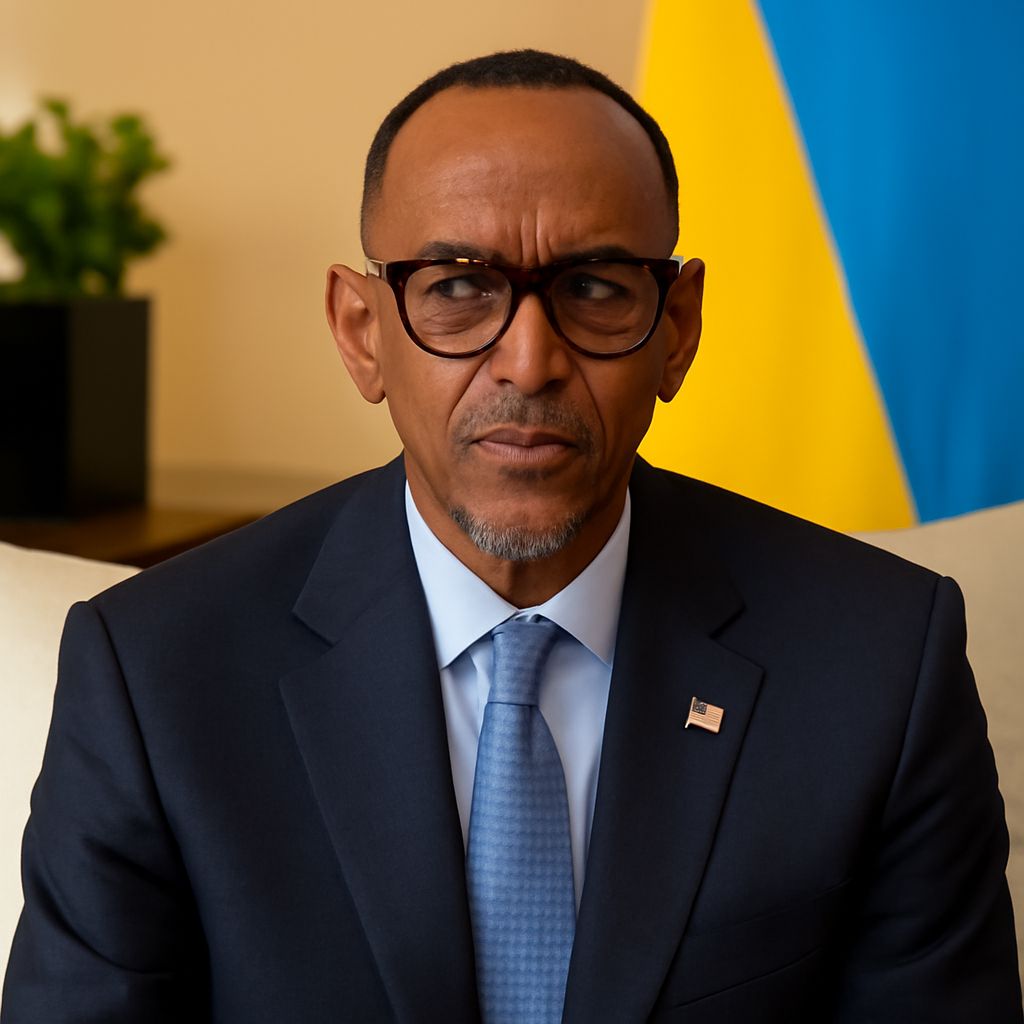
Rwanda, a nation marked by its rich culture and resilient spirit, gained its independence on July 1, 1962. This pivotal moment was the beginning of a new chapter for Rwanda, as it transitioned from colonial rule to self-governance. Over the years, the nation has experienced significant political changes, shaping its government into what it is today.
Rwanda’s Independence Journey
Before gaining independence, Rwanda was under Belgian colonial rule. The journey to independence was influenced by a growing sense of nationalism and the global wave of decolonization in the 20th century. In the late 1950s, Rwandan political movements intensified, calling for autonomy and the end of colonial dominance. The culmination of these efforts led to the declaration of independence on July 1, 1962.
Post-Independence Government
Following independence, Rwanda adopted a republican form of government. The initial political landscape was dominated by the majority Hutu ethnic group, which led to tensions with the Tutsi minority. The first decade was characterized by political instability and ethnic tensions, which were significant challenges for the nascent government.
Political Changes Over Time
Rwanda’s political scene has undergone various transformations since gaining independence. In 1973, a coup d’état brought Major General Juvénal Habyarimana to power, ushering in a period of relative stability but also increasing authoritarianism. His rule lasted until 1994, when the tragic genocide against the Tutsi population occurred, drastically altering the nation’s political and social fabric.
After the genocide, the Rwandan Patriotic Front (RPF) emerged as the dominant political force, leading to significant changes in governance. The new government focused on unity, reconciliation, and rebuilding. A new constitution was adopted in 2003, establishing a multi-party system and a commitment to democratic principles.
Current Government Structure
Today, the Rwandan government is a presidential system. The President, currently Paul Kagame, holds substantial executive power, alongside a bicameral parliament consisting of the Chamber of Deputies and the Senate. The government emphasizes a vision of development and technological advancement, aiming to transform Rwanda into a middle-income country.
Rwanda’s governance model is often highlighted for its focus on efficiency and anti-corruption measures. The country has become known for its rapid economic progress and ambitious policies aimed at social development.
Rwanda’s journey from colonial rule to its current government structure is a testament to its resilience and adaptability. Through understanding its past and the evolution of its political landscape, one can appreciate the strides Rwanda has made in shaping its future.