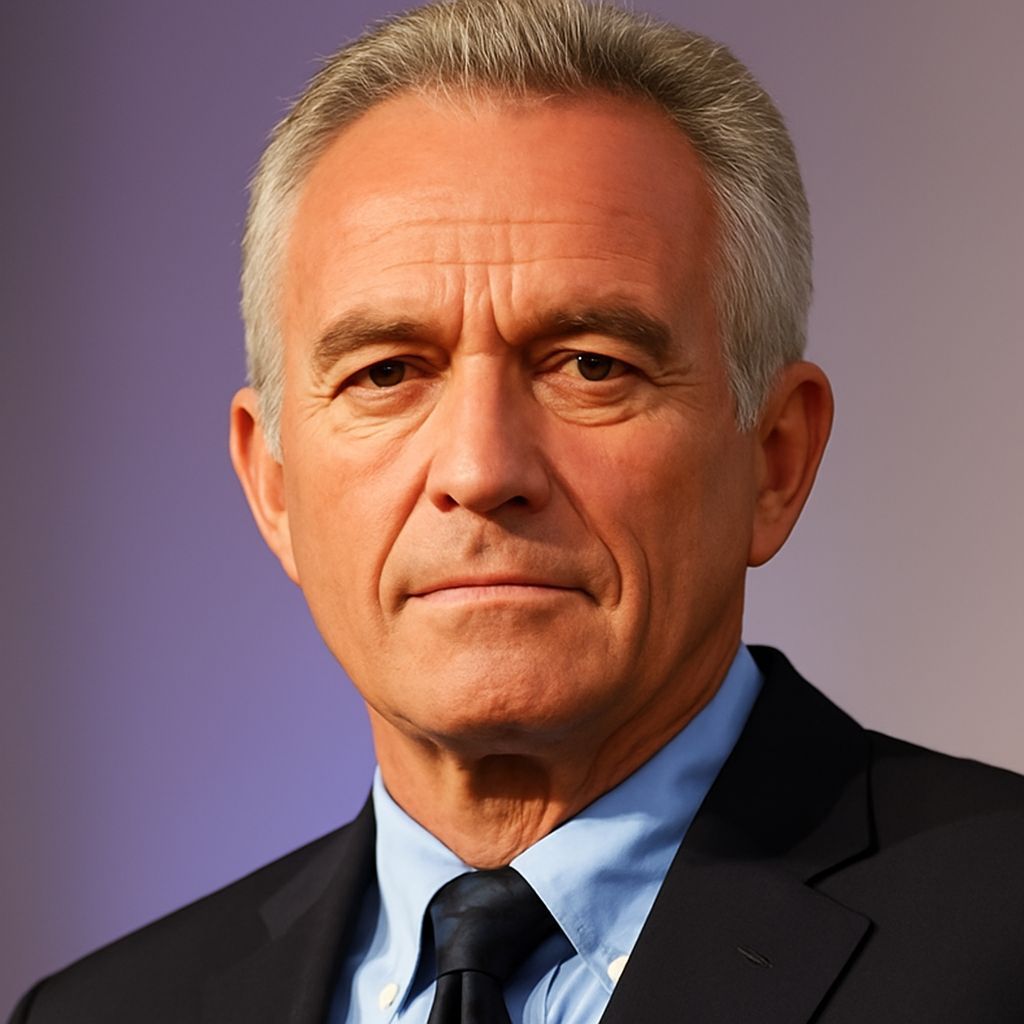
Throughout history, famous political leaders have shaped nations, influenced global policies, and left lasting legacies. These individuals, through their vision and determination, have navigated complex political landscapes and initiated transformative changes.
Introduction to Political Leaders
Political leaders wield significant power and influence, guiding their nations through pivotal moments. Their decisions can have far-reaching effects, impacting not only their own countries but also the world stage. Leadership styles vary, with each leader bringing unique strengths and challenges.
Iconic Leaders and Their Contributions
One of the most renowned political figures is Nelson Mandela, who played a crucial role in ending apartheid in South Africa. His commitment to peace and reconciliation set a powerful example for leaders worldwide. Similarly, Winston Churchill’s leadership during World War II was instrumental in rallying the Allied forces against tyranny.
In India, Mahatma Gandhi’s non-violent resistance against British rule inspired movements for civil rights and freedom across the globe. Another significant leader, Margaret Thatcher, the first female Prime Minister of the United Kingdom, implemented economic policies that transformed Britain’s economy.
Impact on Global Politics
The actions of these political leaders have often had profound impacts on global politics. For instance, the policies of Franklin D. Roosevelt during the Great Depression and World War II helped shape the modern world order. His New Deal programs were pivotal in reviving the U.S. economy and setting a precedent for government intervention in economic crises.
Additionally, figures like John F. Kennedy and Martin Luther King Jr. influenced the civil rights movement, fostering greater equality and justice in American society. Their commitment to human rights continues to inspire political and social reforms globally.
Legacy and Influence
The legacies of famous political leaders are measured not just by their immediate achievements but by their enduring influence. Mandela’s legacy of forgiveness and unity remains a guiding principle for reconciliation efforts worldwide. Churchill’s speeches and writings continue to be studied for their rhetorical brilliance and strategic insights.
Moreover, Gandhi’s philosophy of non-violence has influenced numerous leaders and activists, including Dr. King and Nelson Mandela. Thatcher’s economic reforms have sparked debates on fiscal policy and governance that persist today.
These leaders’ contributions serve as a testament to their vision and dedication, leaving an indelible mark on the world. Their lives and actions illustrate the profound impact that determined and visionary leadership can have on shaping history.