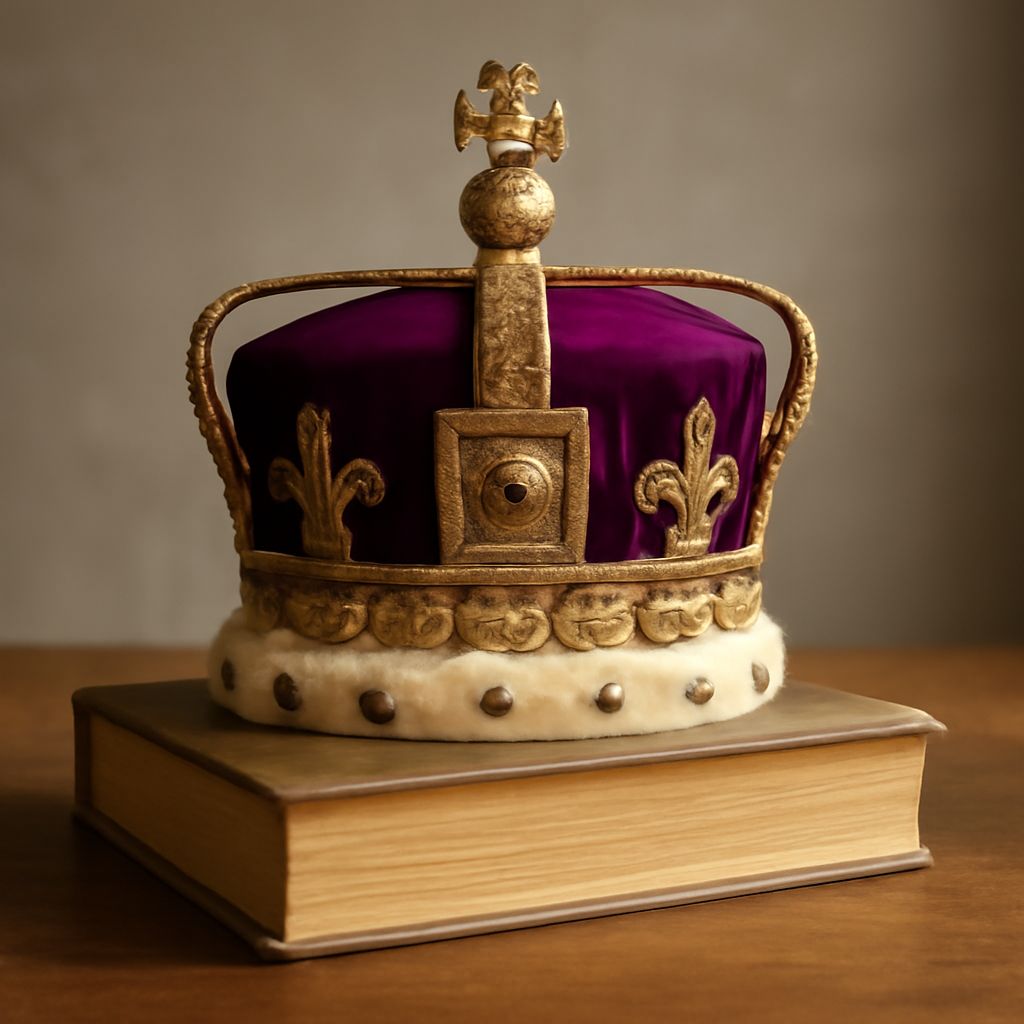
A list of England’s monarchs is sometimes presented as though the kingdom and its crown have remained politically unchanged for a thousand years. The rulers of England became rulers of a larger British state through distinct unions, and the powers exercised by the crown changed substantially along the way. A chronology can show who reigned when, provided it also marks those changes.
The sequence of English kings and queens below begins in 1066, a practical starting point for the Norman Conquest rather than the beginning of English monarchy. Earlier rulers included Æthelstan, who reigned from 924 to 939. Dates indicate reigns, not birth and death; repeat entries identify interrupted reigns, and joint rule is labeled.
England Kings and Queens: Norman and Early Plantagenet Rule
In England, kings and queens inherited a crown reshaped by conquest and political struggle. William I’s conquest in 1066 replaced the ruling dynasty and reshaped the political elite. The Norman and Angevin rulers held lands beyond England, making their rule part of a wider European story. The following sequence includes Stephen and Matilda’s contested struggle, known as the Anarchy; Matilda exercised power in 1141 but was not crowned queen regnant, a queen ruling in her own right.
- William I, 1066–1087; William II, 1087–1100; Henry I, 1100–1135.
- Stephen, 1135–1154; his authority was challenged by Empress Matilda during civil war.
- Henry II, 1154–1189; Richard I, 1189–1199; John, 1199–1216.
- Henry III, 1216–1272; Edward I, 1272–1307; Edward II, 1307–1327; Edward III, 1327–1377; Richard II, 1377–1399.
The kings and queens of England governed through changing relationships with nobles, clergy, courts, and Parliament. Magna Carta in 1215 and later parliamentary development illustrate limits and negotiations around royal authority, though neither established modern democracy in a single step.
Lancaster, York, and Tudor Succession
The royal houses of England are convenient labels for family groupings, but a change of house could follow deposition, conquest, or a contested claim. The Lancastrian and Yorkist branches both descended from Edward III. Their rivalries formed part of the Wars of the Roses, and Henry VI’s interrupted rule reflects the instability.
- Henry IV, 1399–1413; Henry V, 1413–1422; Henry VI, 1422–1461.
- Edward IV, 1461–1470; Henry VI, restored 1470–1471; Edward IV, restored 1471–1483.
- Edward V, 1483; Richard III, 1483–1485.
- Henry VII, 1485–1509; Henry VIII, 1509–1547; Edward VI, 1547–1553.
- Mary I, 1553–1558; Elizabeth I, 1558–1603.
Lady Jane Grey was proclaimed queen in 1553 before Mary I secured the throne; her brief and disputed claim is often treated separately in standard reign lists. Henry VIII’s break with papal authority and the religious changes under his children altered the relationship between crown, church, and subjects. These were political changes as well as questions of belief.
The Stuarts and the Union of Crowns
When Elizabeth I died without a child in 1603, James VI of Scotland became James I of England. The two kingdoms shared a monarch but retained separate institutions and parliaments. As the House of Commons Library explains, this union of crowns was different from the creation of one kingdom in 1707.
- James I, 1603–1625; Charles I, 1625–1649.
- Interregnum, 1649–1660: England had no reigning monarch after Charles I’s execution; the Commonwealth and Protectorate governed during this interval.
- Charles II, restored 1660–1685; James II, 1685–1688.
- William III and Mary II, jointly 1689–1694; William III alone, 1694–1702; Anne, 1702–1714.
The last king and queens of England in this sequence, William III, Mary II, and Anne, reigned amid profound disputes over Parliament and royal power. Anne was queen of England until 1707 and queen of Great Britain thereafter, so a single reign crosses a change in the state itself.
Great Britain and the United Kingdom
On May 1, 1707, the kingdoms of England and Scotland united as Great Britain with one parliament. In 1801, Great Britain and Ireland formed the United Kingdom of Great Britain and Ireland. After most of Ireland left the union in the twentieth century, the state became the United Kingdom of Great Britain and Northern Ireland.
The line of British monarchs continued through the Hanoverian succession and later houses. This list follows the crown through the current reign, rather than treating modern rulers as sovereigns of a separate English kingdom:
- Stuart: Anne, 1702–1714.
- Hanover: George I, 1714–1727; George II, 1727–1760; George III, 1760–1820; George IV, 1820–1830; William IV, 1830–1837; Victoria, 1837–1901.
- Saxe-Coburg and Gotha: Edward VII, 1901–1910; George V, 1910–1936. The royal house adopted the name Windsor in 1917 during George V’s reign.
- Windsor: Edward VIII, 1936; George VI, 1936–1952; Elizabeth II, 1952–2022; Charles III, 2022–present.
These later rulers operated within an increasingly constitutional monarchy, in which elected governments and Parliament exercise political power under established conventions and law. The Royal Family’s chronology provides individual reign pages for further reading.
For reference, the principal changes are Norman conquest in 1066; the Lancastrian, Yorkist, and Tudor contests; the Stuart succession and shared crowns in 1603; the creation of Great Britain in 1707; the union with Ireland in 1801; and the later Hanoverian and Windsor houses.