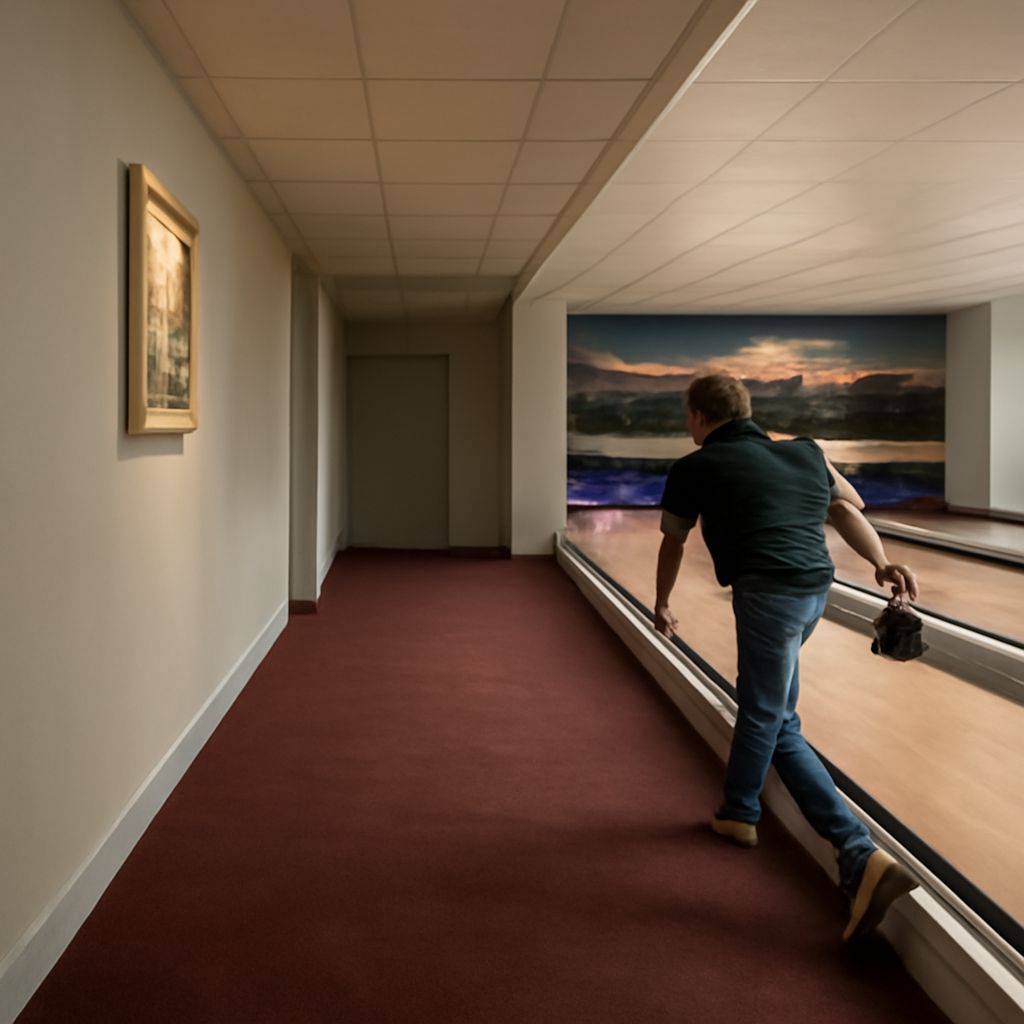
The White House, known for its iconic architecture and historical significance, also houses a unique feature—a bowling alley. Yes, the White House does have a bowling alley, an amenity that reflects both presidential leisure and a slice of Americana. This article delves into the history, features, and cultural impact of the bowling alley within the White House.
Introduction to the White House Bowling Alley
The White House bowling alley is a fascinating aspect of America’s most famous residence. Located in the basement of the Executive Office Building, this recreational facility offers a glimpse into the personal lives of U.S. presidents and their families.
History and Origins
The White House bowling alley was first established in 1947 under the presidency of Harry S. Truman. Originally, it was situated in the West Wing and was a gift from supporters in Missouri. However, it was later relocated to its current location in the basement of the Eisenhower Executive Office Building during the Nixon administration in 1969.
This move was part of a broader renovation effort and aimed to provide a more spacious area for bowling enthusiasts, including the president himself. The evolution of the bowling alley’s location reflects changing priorities and logistical adjustments within the White House complex.
Features and Design
The current White House bowling alley features two lanes and retains a classic design reminiscent of mid-20th-century bowling alleys. The lanes are crafted from high-quality wood, and the alley is equipped with vintage bowling equipment, offering an authentic experience.
While the facility is not open to the public, it is meticulously maintained and occasionally updated to ensure it remains functional and enjoyable for the First Family and their guests. The cozy, intimate setting of the bowling alley provides a private retreat within the bustling environment of the White House.
Famous Visitors and Events
Over the years, the bowling alley at the White House has hosted numerous famous figures and events. Richard Nixon, known for his love of bowling, frequently used the alley and even celebrated his birthday there. Other presidents, including George H.W. Bush, have also enjoyed games at the alley.
The bowling alley has been the venue for informal gatherings and lighthearted competitions between staff and visiting dignitaries. These events often showcase the human side of the presidency, allowing leaders to unwind and engage in friendly competition.
Public Perception and Cultural Impact
The White House bowling alley holds a unique place in American culture, symbolizing the blend of work and play in the nation’s highest office. It is often featured in media portrayals of the presidency and has captured the public’s imagination as a quirky yet endearing aspect of the White House.
Despite being a private facility, the bowling alley’s existence contributes to the mystique of the White House. It serves as a reminder that even those in the most powerful positions need moments of leisure and relaxation.
In conclusion, the White House bowling alley is more than just a recreational space—it’s a historical artifact that enriches our understanding of presidential life. Its presence offers a charming glimpse into the personal habits and pastimes of America’s leaders.