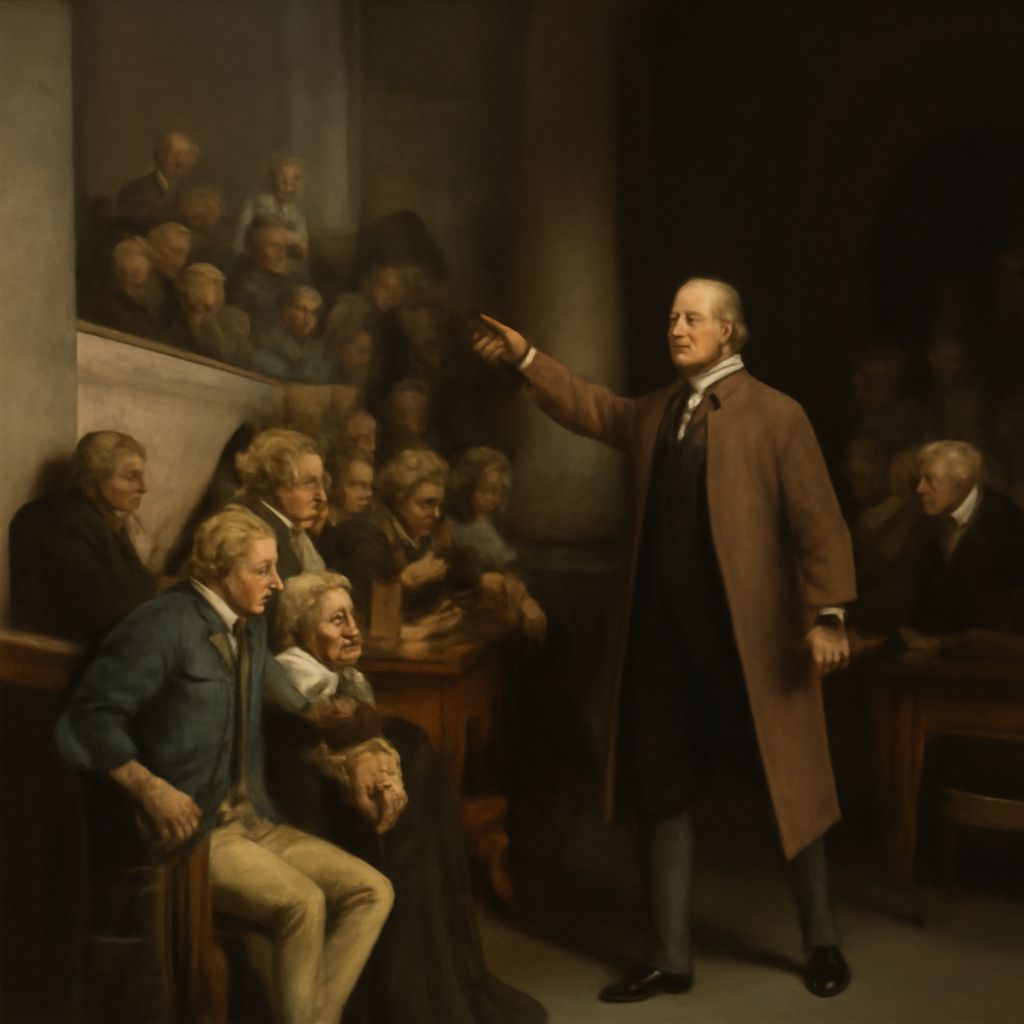
The House of Burgesses holds a pivotal place in the history of American democracy. Established in 1619 in Virginia, it was the first elected legislative assembly in the New World. Its foundation marked a significant step toward the democratic governance system that would later characterize the United States. Understanding the House of Burgesses significance offers insight into how early democratic principles were shaped and implemented in colonial America.
Introduction to the House of Burgesses
The House of Burgesses was a pioneering effort to introduce representative government in the English colonies. Created by the Virginia Company, it gave settlers a voice in their government, setting a precedent for future governance structures. This assembly was instrumental in laying the groundwork for the democratic ideals that would later influence the formation of the United States.
Historical Context and Formation
In the early 1600s, the Virginia Company established a colony in Jamestown. To encourage settlement and create a functioning society, the company introduced the House of Burgesses in 1619. This body allowed landowners to elect representatives to make laws and address the needs of the colony. It was a significant departure from the monarchic rule prevalent in Europe, embodying principles of self-governance and participation.
Significance in American Democracy
The House of Burgesses importance is evident in its role as a prototype for representative government. It demonstrated that colonists could govern themselves and address local matters through elected officials. This concept of self-rule was crucial in shaping the political landscape of America. The assembly’s practices and principles were later reflected in other colonies and eventually in the U.S. Constitution.
By allowing colonists to have a say in their governance, the House of Burgesses sparked a move towards independence and self-determination. It showcased the effectiveness of a legislative body that was accountable to the people, influencing the political ideology that underscored the American Revolution.
Legacy and Lasting Impact
The legacy of the House of Burgesses continues to resonate in modern democratic systems. It served as a model for other colonial assemblies and helped form the basis of American legislative bodies. The principles established by the House of Burgesses, such as representative government, civic participation, and local control, remain cornerstones of modern democracy.
As the first legislative assembly of its kind, the House of Burgesses paved the way for the development of democratic institutions and inspired future generations to pursue representative governance. Its impact is still felt today, illustrating the enduring power of democratic ideals.