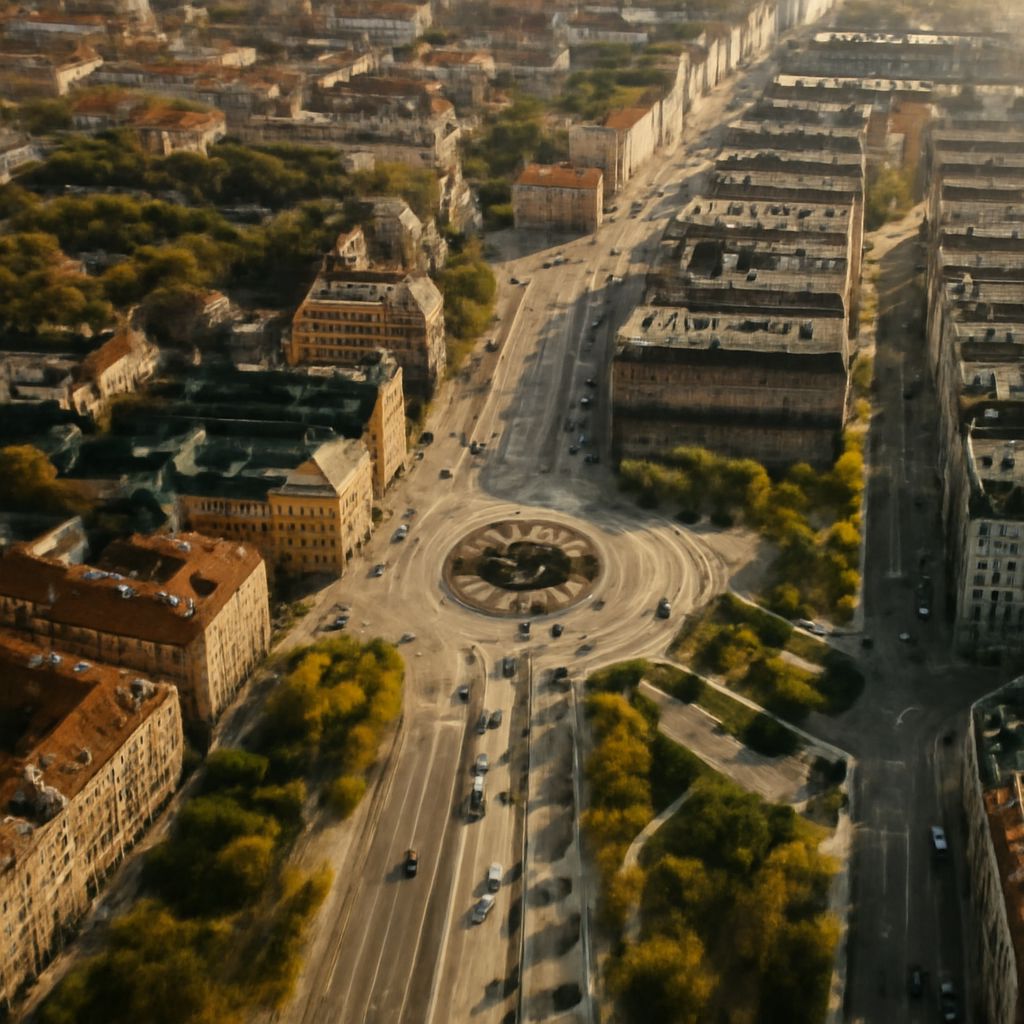
Germania was Adolf Hitler’s grand vision for a monumental city reimagined from Berlin. Known as the “World Capital Germania,” it was a key element of Nazi propaganda, designed to demonstrate the supremacy and might of the regime. Although Germania never materialized, its ambitious plans reveal much about the era’s architectural visions and ideological goals.
Introduction to Germania
Germania, intended as the Nazi regime’s architectural masterpiece, aimed to transform Berlin into an awe-inspiring capital. Hitler collaborated with architect Albert Speer to design the city, which was intended to showcase the grandeur of the Third Reich. The plans included colossal structures, wide boulevards, and grand monuments.
The Architectural Ambitions
The architectural plans for Germania were nothing short of extraordinary. At the center was the Volkshalle, a massive domed structure intended to hold 180,000 people. This building was to symbolize the power and unity of Nazi Germany. Additionally, plans included a vast triumphal arch, larger than its Parisian counterpart, and a new Reich Chancellery.
The designs focused on neoclassical styles, embodying the regime’s desire to connect with ancient Rome’s grandeur. Streets were to be widened, and modern infrastructure would support this transformation. However, construction required the demolition of existing neighborhoods, displacing thousands of residents.
Symbolism and Purpose
Germania was more than an architectural project; it was a symbol of Nazi ideology. The city was to embody the regime’s aspirations for domination and its cultural philosophies. The grandeur of Germania was intended to inspire awe and intimidation, reinforcing the regime’s power both domestically and internationally.
The city’s design also reflected an idealized vision of order and control. By aligning Germania with ancient empires, Hitler sought to create a narrative of historical continuity and legitimacy for the Nazi regime.
Why Germania Was Never Realized
The outbreak of World War II marked the downfall of Germania’s ambitious plans. Resources were diverted to the war effort, and the massive costs associated with the project became unsustainable. Additionally, the eventual defeat of Nazi Germany rendered the plans obsolete.
The project’s failure was also linked to its impracticality. The scale of the proposed buildings and infrastructure requirements exceeded technological and economic capabilities of the era. Today, Germania remains a symbol of unfulfilled ambition and a reminder of a tumultuous historical period.