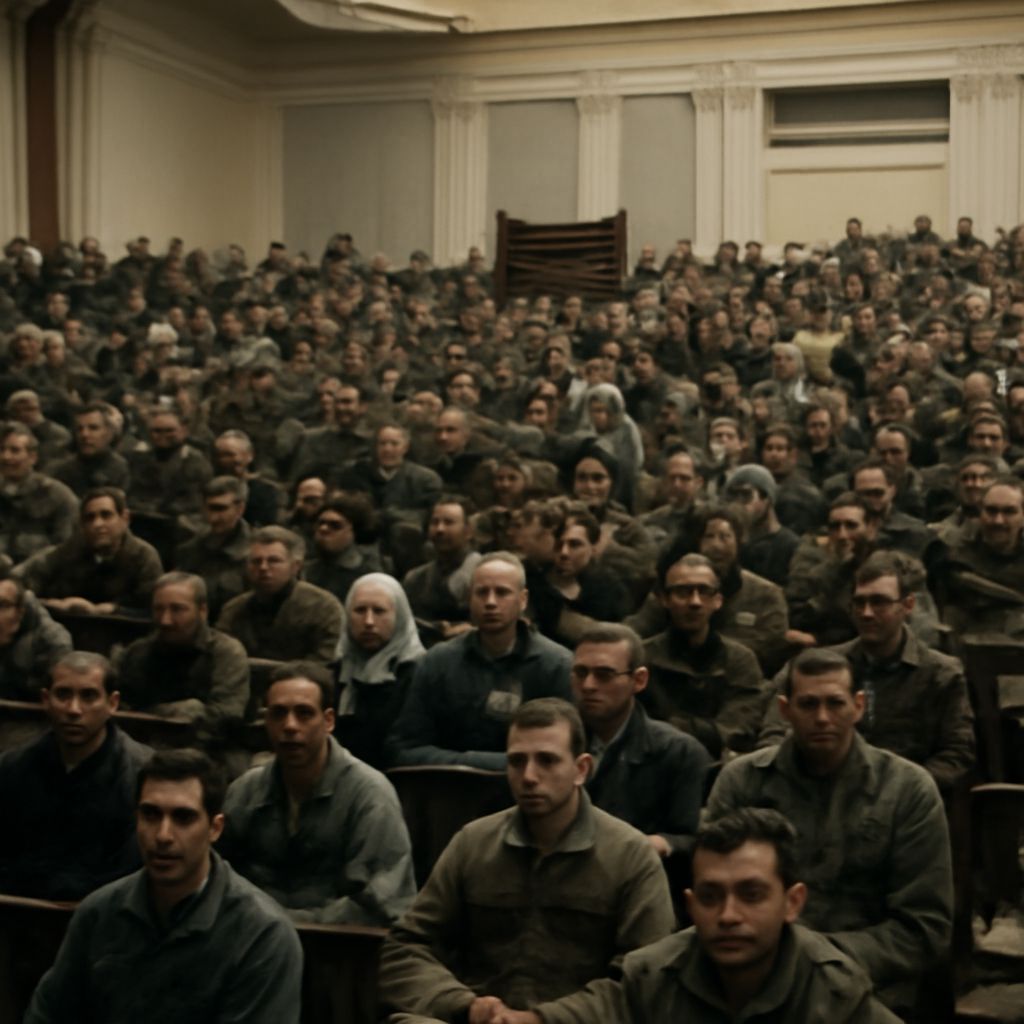
The Bolshevik and Menshevik factions played pivotal roles in the early 20th-century Russian political landscape. Both emerged from the Russian Social Democratic Labour Party (RSDLP), yet they held distinct visions for Russia’s future. Understanding their differences sheds light on the dynamics that shaped the Russian Revolution and its aftermath.
Origins and Background
The Bolsheviks and Mensheviks originated from a split in the RSDLP in 1903. This division occurred during the party’s Second Congress, primarily due to disagreements on party organization. The Bolsheviks, led by Vladimir Lenin, advocated for a small, disciplined party of professional revolutionaries. The Mensheviks, led by Julius Martov, favored a more inclusive approach, welcoming broader membership.
Ideological Differences
The ideological split between the Bolsheviks and Mensheviks was significant. The Bolsheviks believed in a centralized, top-down approach to revolution, emphasizing the need for a vanguard party to lead the working class. They were more radical, seeking immediate and complete transformation of society.
In contrast, the Mensheviks supported a democratic, parliamentary approach. They believed that socialism could be achieved through gradual reforms and were open to alliances with bourgeois parties. This made them less radical, favoring a more evolutionary path to socialism.
Role in the Russian Revolution
During the Russian Revolution of 1917, the Bolsheviks and Mensheviks played distinct roles. The Bolsheviks, under Lenin’s leadership, were instrumental in the October Revolution. They successfully seized power from the Provisional Government, advocating for “peace, land, and bread.”
The Mensheviks, however, were more aligned with the Provisional Government earlier in the year, during the February Revolution. They sought to continue Russia’s involvement in World War I, which contrasted sharply with the Bolsheviks’ immediate call for peace. As a result, they lost influence as public support shifted towards the Bolsheviks’ more decisive actions.
Legacy and Impact
The impact of the Bolshevik and Menshevik divide is profound. The Bolsheviks, after gaining control, established the Soviet Union, leading to decades of communist rule. Their success in the October Revolution marked a pivotal shift in global political ideologies, influencing communist movements worldwide.
The Mensheviks, however, were sidelined in Soviet history. Many fled into exile or were persecuted during the Bolsheviks’ consolidation of power. Despite their marginalization, their emphasis on democratic socialism continued to influence socialist movements in other countries.