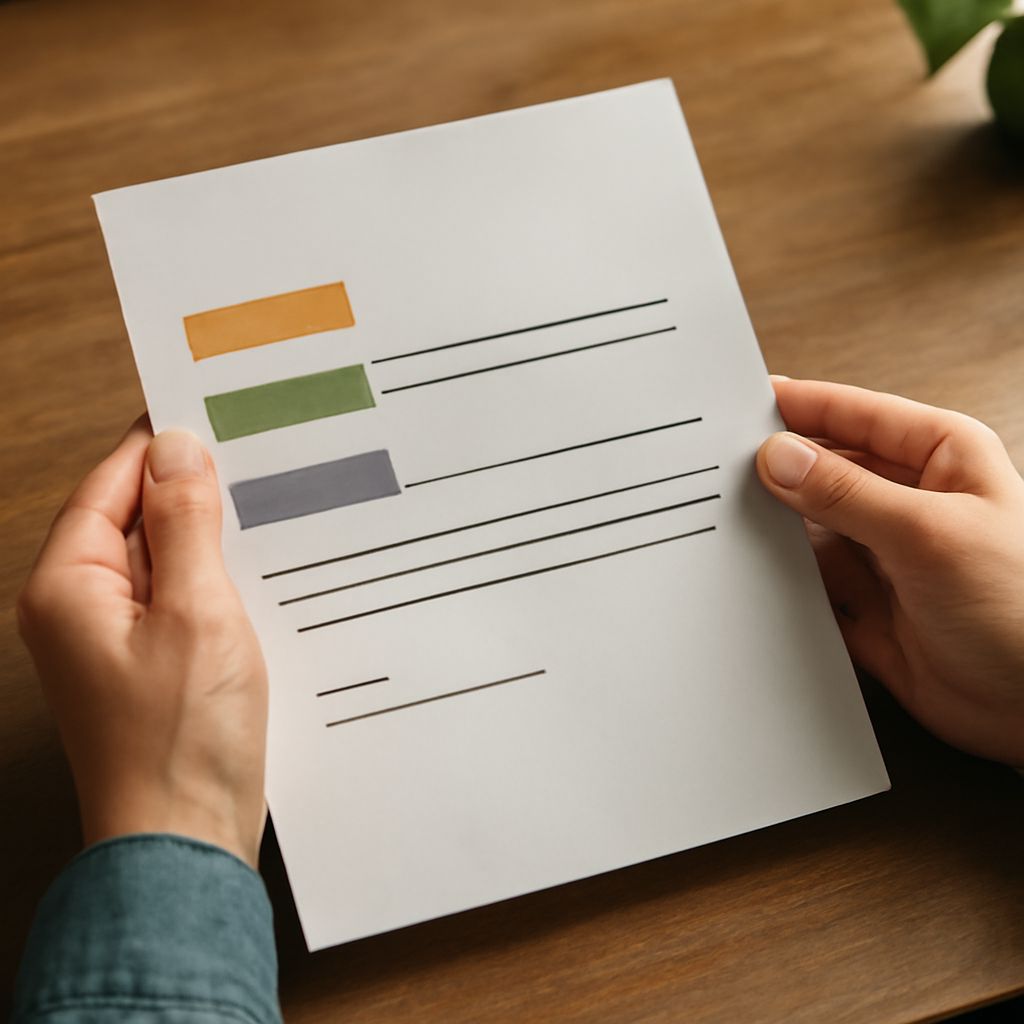
Writing a letter might seem old-fashioned, but it remains a crucial skill for effective communication. Understanding the parts of a letter can help you craft messages that are clear and professional. Let’s explore each component to see how they contribute to successful correspondence.
Introduction to Letter Components
Letters are typically structured with specific elements that serve different functions. Each part plays a vital role in delivering your message effectively. Mastering these components of a letter will ensure that your communication is both clear and appropriate for the context.
The Heading
The heading is the first part of a letter. It usually includes the sender’s address and the date. The address should be complete and accurate, allowing the recipient to know where the letter is coming from. The date is essential as it provides a timeframe, adding context to the message’s relevance and urgency.
The Greeting
The greeting, also known as the salutation, is how you address the recipient. It sets the tone for the letter. Common greetings include “Dear [Name]” or “To Whom It May Concern” if the recipient’s name is unknown. Choosing the correct greeting reflects professionalism and can influence how your message is received.
The Body
The body of the letter is where you convey your message. It should be clear, concise, and relevant. Organize the content logically, starting with an introduction, followed by the main points, and ending with a call to action or summary. Use paragraphs to separate ideas, making it easier for the reader to follow along.
The Conclusion
The conclusion wraps up the letter. It often includes a complimentary close, such as “Sincerely” or “Best regards,” followed by your name and signature. This part leaves a lasting impression, reinforcing the tone and intent of your communication.