Peru is a country full of color, ancient mysteries, and unforgettable experiences. From lost cities high in the Andes to rainforests filled with unique animals, it offers something for every curious traveler. Whether you’re fascinated by history, nature, or food, these Peru fun facts will reveal what makes this South American nation truly unique. Explore these fun facts about Peru, and get ready to be surprised by the wonders of this extraordinary land.
Machu Picchu Mysteries
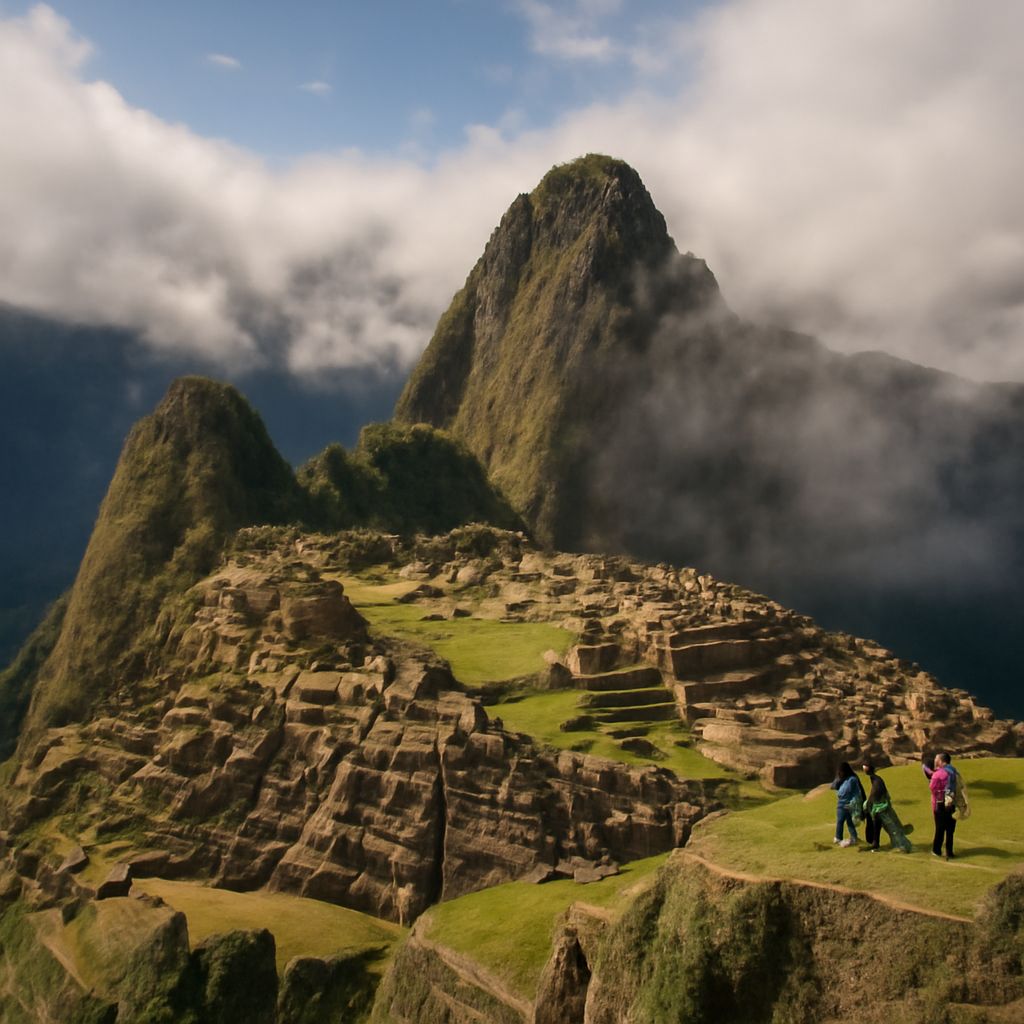
Machu Picchu is Peru’s most famous landmark and one of the New Seven Wonders of the World. Built by the Incas in the 15th century, this “Lost City” sits nearly 2,430 meters (7,970 feet) above sea level in the Andes Mountains. Despite many studies, no one knows the true purpose of Machu Picchu. Some believe it was a royal retreat; others say it had religious or astronomical significance.
One of the most intriguing Peru fun facts is that Machu Picchu was hidden from outsiders for centuries. The Spanish conquistadors never found it, and it remained unknown to the outside world until American explorer Hiram Bingham introduced it in 1911. Its “discovery” sparked worldwide fascination, and today, Machu Picchu welcomes over a million visitors every year.
The stone architecture is a marvel in itself. The Incas used a technique called ashlar, where stones are cut so precisely that no mortar is needed. The stones fit together so tightly that not even a piece of paper can slip between them. This skill helped the structures survive earthquakes for centuries, adding to Machu Picchu’s legendary status.
Adding to the mystery, the site includes over 150 buildings, from temples and baths to houses and storage rooms. There are also several astronomical alignments, such as the Intihuatana stone, which may have served as a solar clock. Many questions remain, but Machu Picchu’s secrets only make it more fascinating to visitors from around the world.
Unique Wildlife and Natural Wonders
Peru is one of the world’s most biodiverse countries, and its landscapes range from towering Andes peaks to the lush Amazon rainforest. The Amazon covers about 60% of Peru’s land area and is home to thousands of animal and plant species, many found nowhere else on Earth. Fun facts about Peru’s wildlife include the presence of the world’s smallest monkey—the pygmy marmoset—as well as jaguars, pink river dolphins, and the elusive spectacled bear.
The Peruvian Andes are home to llamas, alpacas, and vicuñas—animals related to the camel. Llamas and alpacas are widely used for their wool and as pack animals, but vicuñas produce some of the world’s most valuable and softest wool. These animals are so important that they appear in ancient art and even on Peru’s coat of arms.
Lake Titicaca is another natural wonder, sitting at 3,812 meters (12,507 feet) above sea level. It’s the highest navigable lake in the world and a place of legend for the Inca people, who believed their civilization began here. The lake is dotted with floating islands made by the Uros people from reeds, showing a blend of natural beauty and human ingenuity.
Peru is also famous for the mysterious Nazca Lines—giant geoglyphs etched into the desert more than 2,000 years ago. Seen best from the air, these lines form shapes like monkeys, birds, and even a giant hummingbird. Their exact purpose remains unknown, but they continue to fascinate scientists and travelers alike.
Cultural Diversity in Peru
Peru’s rich culture is a blend of ancient traditions and modern influences. The country recognizes 47 different native languages, with Spanish, Quechua, and Aymara being the most widely spoken. Quechua was the language of the Incas and is still used by millions in the Andes today.
One of the most interesting Peru fun facts is the way traditional festivals are celebrated across the country. The Inti Raymi, or Festival of the Sun, is held every June in Cusco to honor the Inca sun god. Locals dress in colorful costumes and reenact ancient rituals, keeping centuries-old customs alive.
Peru’s people are known for their vibrant textiles, intricate embroidery, and handmade crafts. Markets burst with bright colors, featuring items like alpaca wool scarves, chullo hats, and woven bags. Each region has its own patterns and styles, reflecting a deep connection to both land and heritage.
Despite the strong influence of Inca and pre-Columbian cultures, Peru also shows traces of Spanish colonization and immigrant communities, including Africans, Chinese, and Japanese. This mix creates a society where old and new, indigenous and global, coexist in daily life.
Peruvian Cuisine and Culinary Surprises
Peru has gained worldwide fame for its food, considered among the best in Latin America. The country’s cuisine blends native ingredients with Spanish, African, and Asian influences, creating unique flavors and dishes. One of the most famous dishes is ceviche—raw fish marinated in lime juice, mixed with onions, chili peppers, and cilantro.
Another highlight is the potato. Peru is home to over 3,000 varieties, from tiny purple potatoes to large yellow ones. The ancient Incas first domesticated potatoes more than 7,000 years ago, and they remain a staple in the Peruvian diet. Try dishes like causa (layered potato cake) or papa a la huancaína (potatoes with a spicy cheese sauce) to sample this heritage.
Peruvian cuisine is also known for its superfoods, such as quinoa, maca root, and purple corn. These ingredients have been used since ancient times and are valued today for their nutritional benefits. Food markets in cities like Lima and Cusco overflow with fresh produce, unusual fruits, and spices found only in Peru.
Don’t miss other local favorites like lomo saltado (stir-fried beef with vegetables and potatoes), anticuchos (grilled beef heart skewers), and the sweet treat picarones (Peruvian doughnuts made from sweet potato and squash). Each dish tells a story about Peru’s landscape, history, and cultural blend, making its cuisine as fascinating as its ancient ruins and natural wonders.