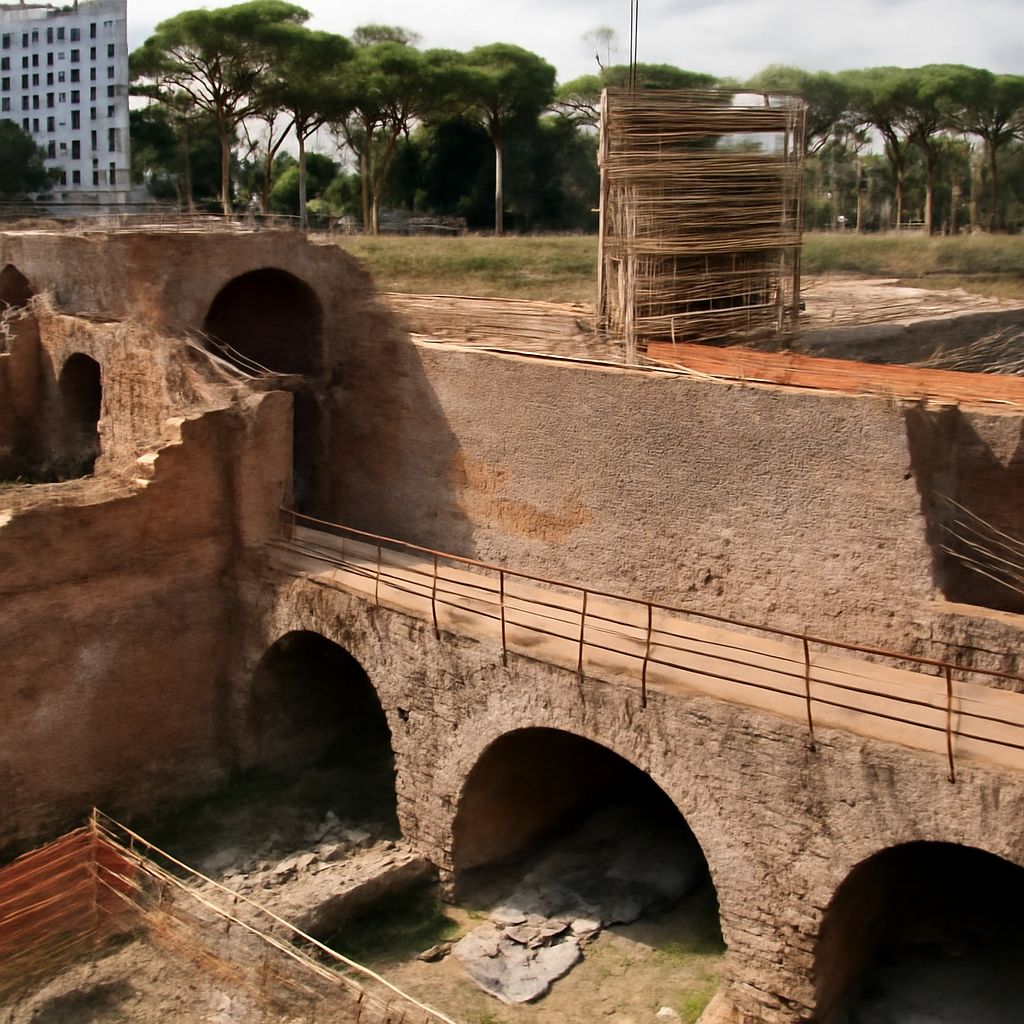
The circus maximus was the grandest and oldest arena of ancient Rome, known above all for its thrilling chariot races. Towering above the Roman Forum and nestled between the Palatine and Aventine hills, the Circus Maximus drew crowds of over 150,000—sometimes even 250,000—making it the largest stadium in the Roman world. Today, its footprint and echoes of history remain a powerful symbol of Roman engineering and entertainment.
This article explores what set the Circus Maximus apart, sharing key details and circus maximus facts that shaped its legacy. You’ll also find practical tips for visiting the iconic site today.
What Was Circus Maximus?
The Circus Maximus was a massive ancient stadium primarily built for chariot races and public games. Its name translates to “Greatest Circus,” reflecting its enormous size and importance in Roman society. The earliest version appeared as early as the 6th century BCE, with major expansions under Julius Caesar and later emperors.
The original track was a simple, flat dirt oval. Over time, the structure evolved into a grand complex with three-tiered stone seating, elaborate starting gates (carceres), and a central barrier (spina) adorned with statues, fountains, and obelisks. The arena measured about 600 meters long and 140 meters wide, stretching nearly a third of a mile.
Unlike today’s circuses, the Circus Maximus was an open-air stadium. It hosted not only races but also gladiator games, religious festivals, and spectacular processions. The venue’s sheer scale and open design allowed for dramatic events and up-close excitement for its vast audience.
The Circus Maximus outlasted most other Roman arenas, remaining in use for entertainment through the sixth century CE. Its ruins still shape the heart of modern Rome.
Key Circus Maximus Facts
The legacy of Circus Maximus is built on astonishing numbers and historical firsts. Here are the most important facts:
- Capacity: At its peak, the Circus Maximus could seat between 150,000 and 250,000 people. This capacity eclipsed other ancient arenas and even most modern stadiums.
- Length and Width: The racing track was about 600 meters (roughly 2,000 feet) long and 140 meters (460 feet) wide.
- Events: Chariot racing was the main attraction, with up to 24 races a day during special festivals. Other events included animal hunts, athletic competitions, and religious ceremonies.
- Famous Obelisk: Augustus installed an ancient Egyptian obelisk on the spina, symbolizing Rome’s power. It now stands at Piazza del Popolo in Rome.
- Destruction and Rebuilding: Fires and floods struck the Circus Maximus several times, but it was rebuilt bigger and better each time, especially by Julius Caesar and Trajan.
- Longevity: The venue was in use for over 1,000 years, longer than most other landmarks from ancient Rome.
These circus maximus facts reveal the scale and impact of this legendary arena. No other sports venue in the ancient world matched its size or its role in the life of the city.
The Role of Circus Maximus in Ancient Rome
Circus Maximus was far more than a sports arena. Its main function was entertainment, but it also played a vital role in Roman society, politics, and religion.
Chariot races were not just athletic events. Factions called “the Reds,” “the Blues,” “the Whites,” and “the Greens” competed fiercely, and their supporters often became deeply invested in the outcomes. Emperors used the races and games as tools to win public support, reward loyalty, and distract from political troubles.
The Circus Maximus was also central to religious festivals like the Ludi Romani and the Consualia. Processions honoring the gods would march through the arena, blending spectacle with ritual. The integration of games and sacred rites reflected Rome’s belief that entertainment could honor the divine and unify the populace.
Political drama unfolded in the stands as well. The seating arrangement reflected class divisions, with senators and nobility in the best locations. The emperor’s box (pulvinar) offered a prominent view for rulers to be seen by their subjects, reinforcing their authority.
Visiting Circus Maximus Today
Much of the original structure has vanished, but the site of Circus Maximus remains a public park and archaeological area in Rome. Today, visitors can walk the grassy oval where chariots once thundered and imagine the roar of ancient crowds.
Key remains include some of the original foundations, fragments of the starting gates, and the distinctive long shape of the stadium. Informational signs and a small museum help bring the history to life. You can see the ancient spina’s foundations and even catch special events or concerts held on the grounds.
The best way to experience Circus Maximus is to stroll its length, noting the views of the Palatine Hill and Roman Forum. Guided tours are available and recommended for deeper historical context. The site is open to the public, free of charge, and easily accessible from other major attractions.
Today, the Circus Maximus serves as a reminder of Rome’s engineering genius and love of spectacle. While the stone seats are gone, the scale and spirit of this legendary arena remain at the heart of the Eternal City.