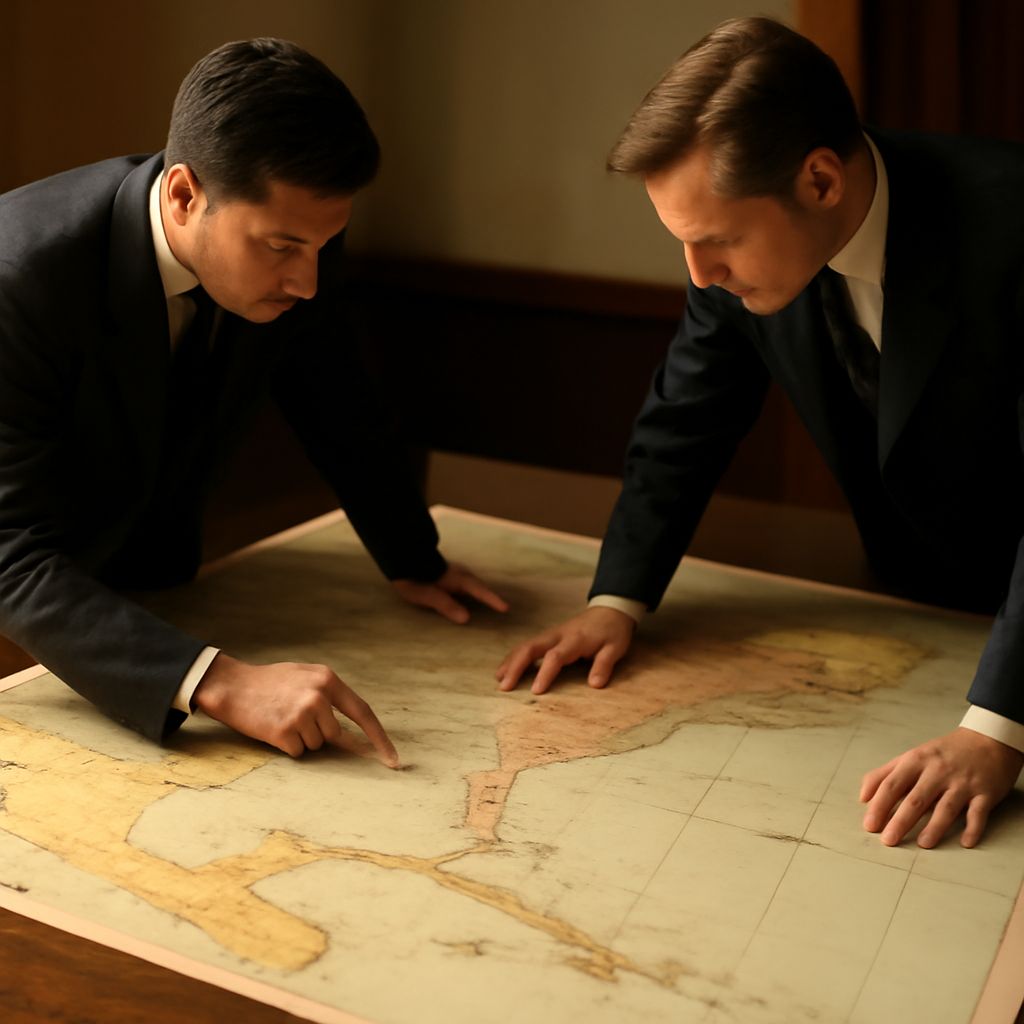
Why did the United States and Spain go to war in 1898? The origins of the Spanish-American War lay in Cuba’s struggle for independence, Spain’s harsh response, and a U.S. decision to intervene after diplomacy failed. The explosion of the USS Maine intensified the crisis, but its cause was never conclusively established.
The reasons for the Spanish-American War cannot be reduced to one headline. Cuban revolutionaries had been fighting for three years before the United States entered the conflict, and American leaders weighed humanitarian concerns alongside political, commercial, and strategic interests.
Causes of Spanish American War escalation
The causes of the Spanish American War reach back to a new independence uprising in 1895, when Cuba was a Spanish colony. Cuban insurgents sought to end colonial rule and used a campaign that disrupted the island’s economy, including its sugar industry. Spain sent large forces to suppress them. Fighting damaged property, displaced civilians, and left the island unstable.
Spanish authorities attempted to isolate the insurgents by forcing many rural civilians into fortified towns, a policy known as reconcentration. Crowding, inadequate food, and disease caused extensive suffering and death. Reports of these conditions reached the United States, where sympathy for Cuban independence and outrage at Spanish methods strengthened demands for action.
This humanitarian crisis was real, but it did not dictate a single policy. Some Americans favored intervention; others worried about war or preferred a negotiated settlement. Among the causes of the 1898 Spanish-American War, the crisis mattered because it made continued Spanish rule and continuing combat increasingly difficult for U.S. leaders to ignore, not because public feeling automatically produced a declaration of war.
Interests, diplomacy, and public pressure
Spanish American War causes included the threat that fighting in Cuba posed to U.S. property and trade. Cuba’s proximity also gave its instability a strategic significance for Washington. Many Americans opposed European colonial influence in the Western Hemisphere, while some political and military figures favored a more assertive U.S. role abroad. These interests overlapped with humanitarian arguments; they should not be treated as proof that every supporter of intervention had the same motive.
President William McKinley initially pursued diplomacy rather than immediate war. Spain replaced the commander associated with reconcentration and offered Cuba a measure of autonomy under Spanish sovereignty. Cuban insurgents, however, continued to seek independence. Spanish concessions did not resolve the central conflict, and U.S. officials grew impatient with a war that continued to disrupt the island. The causes of Spanish American War escalation therefore included both the island’s unresolved political status and the choices of governments responding to it.
Newspapers amplified the crisis. In particular, sensational reporting, often called yellow journalism, used dramatic headlines and illustrations to compete for readers. Some accounts exaggerated or circulated rumors, but the suffering in Cuba was not merely a newspaper invention. The press helped shape public pressure; it is harder to demonstrate that it alone forced a reluctant government into war. The State Department’s account of yellow journalism places the coverage in the wider political dispute.
The Maine: a disaster and a contested explanation
The USS Maine arrived in Havana in January 1898 amid tensions on the island. On February 15, an explosion sank the battleship in the harbor, killing much of its crew. The loss became an immediate political shock. Calls to remember the ship helped turn anger into support for intervention.
A U.S. naval court of inquiry concluded at the time that an external mine had caused the explosion. That finding fueled accusations against Spain, but it did not establish who had placed a mine. Later investigations proposed an internal cause, including a possible coal-bunker fire. The Naval History and Heritage Command describes the cause as unsettled.
The question “what was the cause of the Spanish American War?” cannot be answered by attributing the explosion to Spain. The explosion was a documented event and a powerful catalyst; Spanish responsibility for it was a contemporary accusation, not an established fact. Treating the accusation as the cause of the crisis confuses a persuasive wartime claim with evidence about what actually happened aboard the ship.
From intervention to declarations of war
On April 11, McKinley asked Congress for authority to intervene to end the fighting. His message invoked humanitarian suffering, the protection of U.S. citizens and property, commercial disruption, and the danger posed by continued instability. These stated grounds reveal the administration’s public case, though they do not settle the relative weight of every private calculation.
On April 20, Congress recognized Cuba’s right to independence, demanded Spain’s withdrawal, and authorized the president to use force. The resolution included the Teller Amendment, which disclaimed an intention to annex Cuba. Spain rejected the demand and broke diplomatic relations. The United States began a naval blockade on April 22; Spain declared war on April 23, and Congress declared war on April 25. The Office of the Historian’s chronology sets those decisions in sequence.
The underlying causes of the Spanish-American War made intervention attractive to many Americans, but the transition from crisis to war followed decisions by both governments.
A useful rule for evaluating a claimed explanation is to ask whether the evidence establishes an event, a motive, or an accusation, and require support for the particular claim being made.