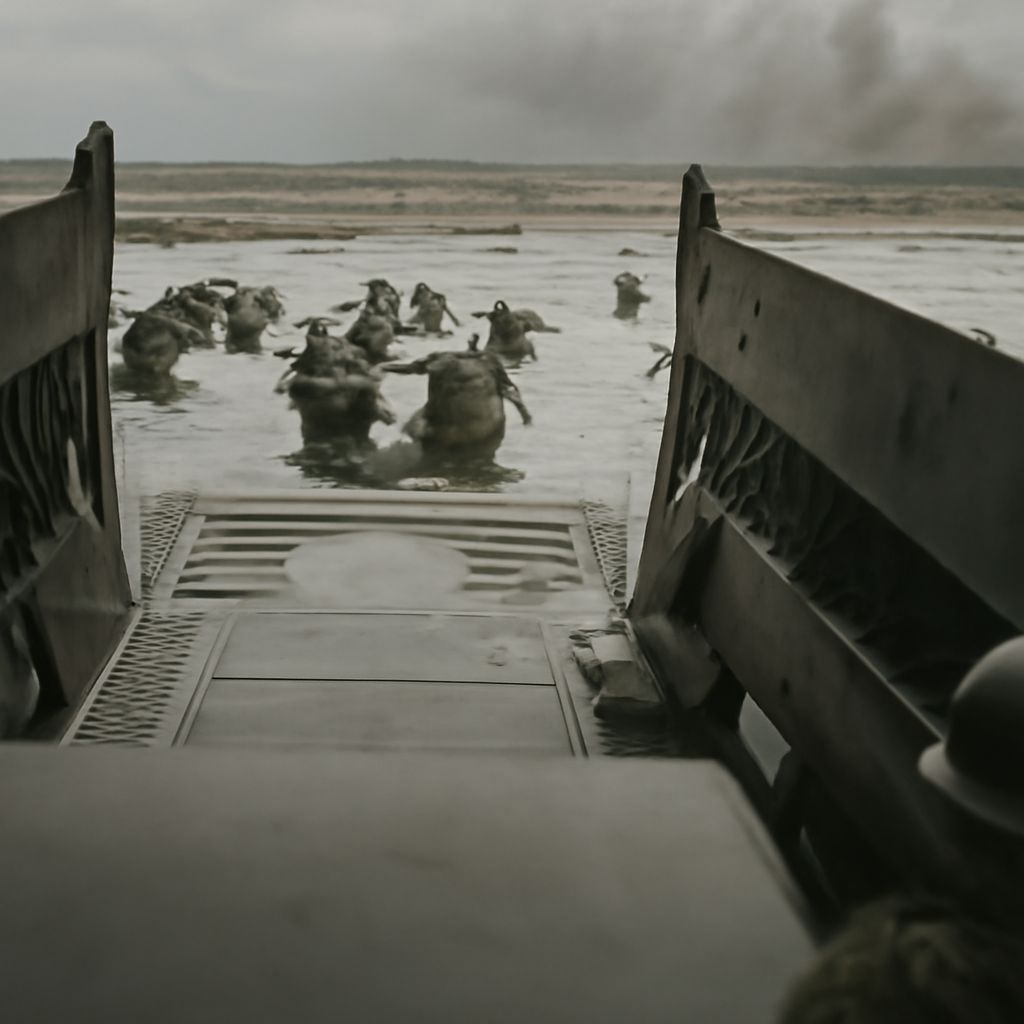
World War II remains one of the most devastating conflicts in human history, marked by unprecedented loss of life. Understanding the scale of the tragedy requires looking at both the total number of deaths and how these casualties were distributed across different countries.
Overview of World War II Casualties
World War II lasted from 1939 to 1945, involving most of the world’s nations. The conflict resulted in significant military and civilian casualties on a scale never seen before. The sheer number of deaths was staggering, impacting generations and reshaping global dynamics.
Total Death Toll
The question of how many people died in World War II is complex due to varying estimates and methods of calculation. However, it is widely accepted that approximately 70 million people perished during the conflict. This figure includes military personnel from all sides as well as civilian casualties caused by bombings, massacres, starvation, and other war-related tragedies.
Deaths by Country
World War II deaths by country show the uneven impact across different nations. The Soviet Union suffered the highest number of casualties, with estimates ranging from 20 to 27 million deaths, including both military and civilian losses. China is believed to have lost around 15 million people due to the Japanese invasion and subsequent military actions.
Germany, the chief instigator of the war, had approximately 7 to 8 million casualties, including military personnel and civilian deaths from Allied bombings. Poland, invaded by Germany in 1939, saw the loss of over 5 million people, representing roughly 20% of its pre-war population.
Other countries also faced significant losses. Japan had around 3 million casualties, and the United States lost about 400,000 military personnel. The United Kingdom saw approximately 450,000 deaths. France and Italy each recorded around 400,000 casualties.
Impact of World War II Casualties
The impact of World War II casualties was profound and far-reaching. The demographic shift due to the massive loss of life affected countries for decades. Societies had to rebuild not only physically but also emotionally, dealing with the trauma and loss of a significant portion of their populations.
Economically, many nations struggled to recover from the devastation and loss of workforce. The war also led to significant political changes, with many countries altering their government structures or facing occupation and division. The severe impact of these casualties continues to be felt today, influencing international relations and memorializing efforts worldwide.