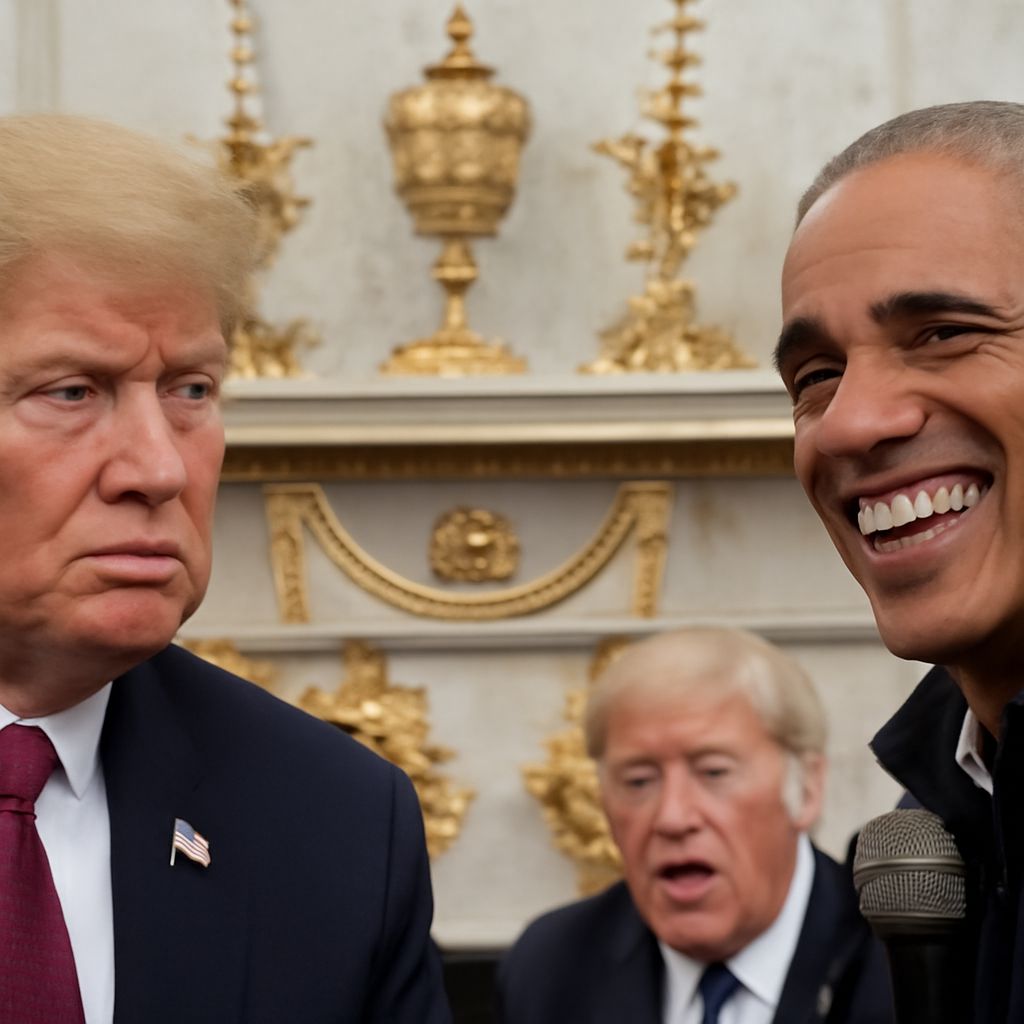
Media coverage of Barack Obama and his time in the White House has had a profound impact on public perceptions. As the first African American president, Obama faced unique scrutiny and praise from media outlets. Understanding how media rhetoric shapes these perceptions can reveal insights into the broader landscape of political reporting and its influence on public opinion.
Media’s Role in Shaping Perceptions
The media plays a crucial role in shaping perceptions of political figures. During Obama’s presidency, news outlets varied in their portrayal of his policies and personality. Some focused on his achievements, like healthcare reform and economic recovery, while others highlighted criticisms or controversies. This divergence in coverage reflects how media can influence public opinion by choosing which aspects of a narrative to emphasize.
News about Obama was often polarized, with some outlets portraying him as a transformative leader while others criticized his administration’s shortcomings. This selective coverage can lead audiences to develop skewed perceptions based on the outlets they follow, illustrating the media’s power in shaping political narratives.
Propaganda Techniques Used
Various propaganda techniques have been used in news coverage to sway public perceptions of Obama and the White House. Techniques such as cherry-picking facts, using loaded language, and framing stories in a particular light can manipulate public opinion. For instance, focusing on specific policy failures without acknowledging successes paints an incomplete picture.
Another common technique is the use of emotional appeals. Media can evoke strong emotions by highlighting personal stories or dramatizing events related to Obama’s presidency. This approach may sidestep factual analysis but effectively influences viewers’ attitudes toward political figures.
Obama’s White House Legacy
Barack Obama’s legacy in the White House is a complex topic shaped by diverse media narratives. Key achievements include the Affordable Care Act, which expanded healthcare access, and the economic stimulus package that helped recover the economy after the 2008 financial crisis. His foreign policy initiatives, like the Iran nuclear deal and the operation that killed Osama bin Laden, also define his presidency.
However, media coverage often fluctuates based on political bias, affecting how these accomplishments are perceived. Critics point to areas like the handling of Syria and increasing national debt as notable challenges during his tenure. The media’s focus on these issues can impact how his presidency is remembered.
Enhancing Media Literacy
Enhancing media literacy is essential for individuals to critically evaluate news about figures like Obama and the White House. Media literacy involves understanding how news is produced and recognizing biases or persuasive techniques used in reporting. By being aware of these factors, audiences can better discern factual reporting from opinion-based content.
Strategies for improving media literacy include diversifying news sources, questioning the motives behind stories, and seeking multiple perspectives. Encouraging critical thinking about media helps ensure that public perceptions are based on comprehensive and balanced information, rather than selective or biased coverage.