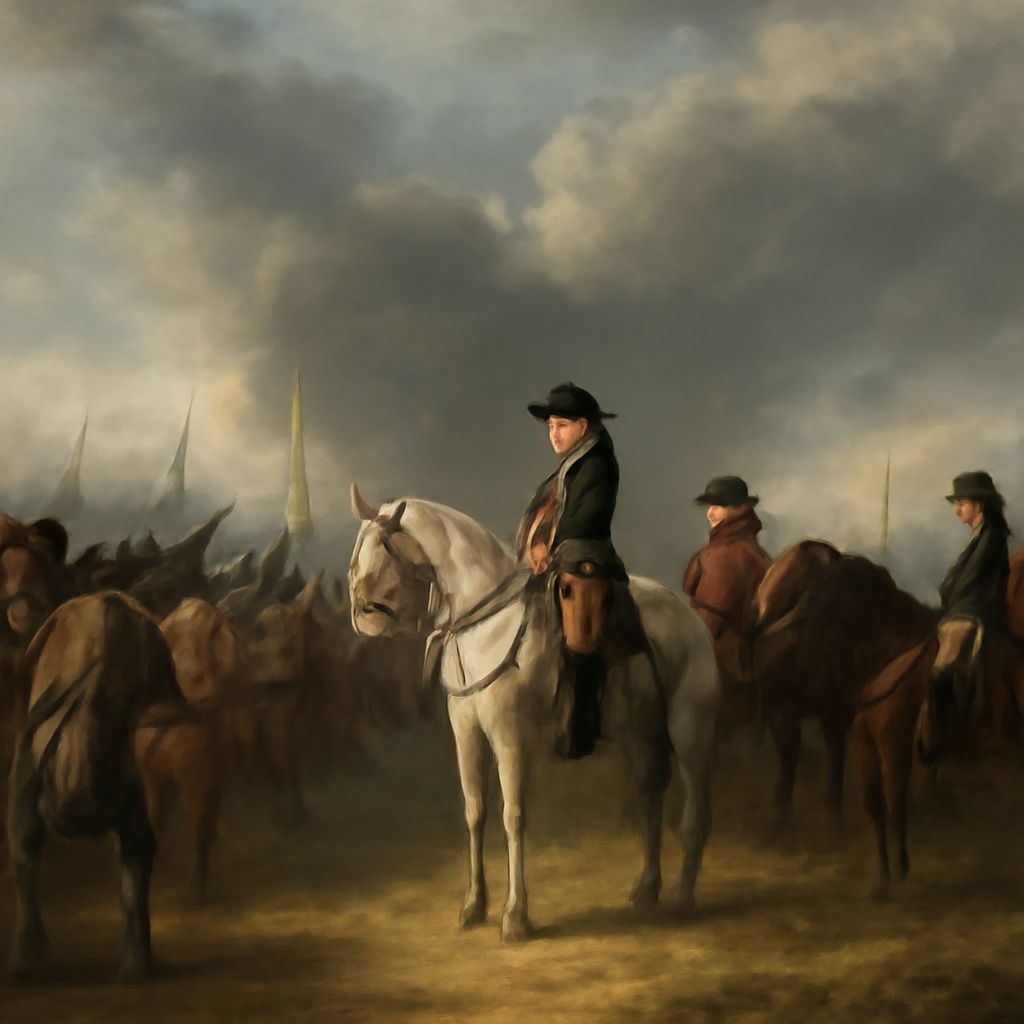
The Battle of Bunker Hill stands as one of the most storied early engagements of the American Revolutionary War. Today, it remains a symbol of determination and sacrifice, remembered for its dramatic location and the impact it had on the course of American history. Understanding where the Battle of Bunker Hill took place, what led to the conflict, how the events unfolded, and what legacy it left behind helps bring this pivotal moment into sharp focus.
Where Did the Battle of Bunker Hill Take Place?
The Battle of Bunker Hill took place on June 17, 1775, primarily on Breed’s Hill in Charlestown, Massachusetts—not on Bunker Hill itself, contrary to what the name suggests. Both hills are located just across the Charles River from Boston. At the time, this area was a strategic high ground overlooking the city and its busy harbor.
During the night before the battle, colonial forces built fortifications on Breed’s Hill to challenge British control of Boston. Although their orders were to fortify Bunker Hill (which is slightly higher and further north), most of the fighting occurred on the slopes and summit of nearby Breed’s Hill. This location put colonial soldiers in a strong position to defend against a British assault and to threaten the British troops occupying Boston.
Today, the site of the battle is marked by the 221-foot Bunker Hill Monument, located in the Charlestown neighborhood of Boston. The monument actually sits closer to Breed’s Hill, where the fiercest fighting took place. Visitors to the area can walk the grounds, explore informative displays, and imagine the landscape as it was in the summer of 1775, crowded with soldiers, smoke, and cannon fire.
In summary, while the event is called the Battle of Bunker Hill, the main conflict unfolded on Breed’s Hill, making “where did the battle of bunker hill take place” a question best answered by looking to the heart of Charlestown, overlooking Boston’s historic waterfront.
Background and Causes of the Battle
The battle was rooted in the growing tension between the American colonies and British authorities. In the spring of 1775, the opening clashes at Lexington and Concord had ignited a full-scale resistance. British troops, commanded by General Thomas Gage, were stationed in Boston, surrounded by colonial militia from Massachusetts and neighboring colonies.
Fearing that the British would try to break out of Boston and control the surrounding heights, the colonial leadership decided to seize and fortify key hills north of the city. Their intention was to prevent British forces from occupying the high ground, which would allow them to command both Boston and its harbor with artillery.
Colonel William Prescott led about 1,200 colonial soldiers across the Charles River on the night of June 16, 1775. Their assignment was to fortify Bunker Hill, but for tactical reasons, they built the main redoubt on Breed’s Hill, which was closer to Boston and offered a better firing position. This act of defiance set the stage for the battle the following day.
As the sun rose, British commanders could see the new rebel fortifications. Determined to remove this threat, they organized an assault, setting the scene for the fierce engagement known as the Battle of Bunker Hill.
Key Events During the Battle at Bunker Hill
On June 17, 1775, British troops began their attack on the colonial defenses atop Breed’s Hill. General William Howe led roughly 2,200 British soldiers in a series of frontal assaults against the entrenched colonial militia. Despite being significantly outnumbered and lacking in both ammunition and supplies, the colonial soldiers held their ground for much of the battle.
The British advanced up the hill in tight formations, facing devastating musket fire from behind earthworks. According to legend, colonial officers instructed their men, “Don’t fire until you see the whites of their eyes,” to conserve precious gunpowder. The first two British attacks were repulsed with heavy casualties.
On the third charge, the colonial defenders—exhausted and nearly out of ammunition—were eventually overrun. The British managed to seize both Breed’s Hill and Bunker Hill, but at a terrible cost. They suffered over 1,000 casualties, including many officers, while colonial losses totaled around 400 to 500 men killed, wounded, or captured.
Although the British won the ground, the battle demonstrated that colonial forces could stand up to the professional British army. The heavy losses suffered by the British shocked military leaders on both sides and changed the perception of the colonial resistance.
Impact and Legacy of Bunker Hill
The impact of the Battle of Bunker Hill was immediate and long-lasting. For the British, it was a costly victory that underscored the determination and fighting capability of the colonial militia. British commanders realized they could not easily crush the rebellion in Massachusetts and would need greater resources to subdue the colonies.
For the American colonists, the battle was a powerful symbol of resistance and unity. News of their spirited defense spread throughout the colonies, inspiring more people to join the fight for independence. The phrase “Don’t fire until you see the whites of their eyes” became a rallying cry, capturing the courage and discipline of the colonial fighters.
The legacy of Bunker Hill extends beyond the immediate aftermath. The battle convinced leaders such as George Washington—who took command of the Continental Army soon after—that victory against the world’s most powerful military was possible, even if it would require great sacrifice. It also helped shift the conflict from a local rebellion to a broader struggle for independence.
Today, Bunker Hill is commemorated as a place of honor and reflection. The Bunker Hill Monument remains a major historical site, drawing visitors who wish to remember the bravery shown on those hillsides in 1775 and to reflect on the enduring spirit of those who fought for America’s freedom.