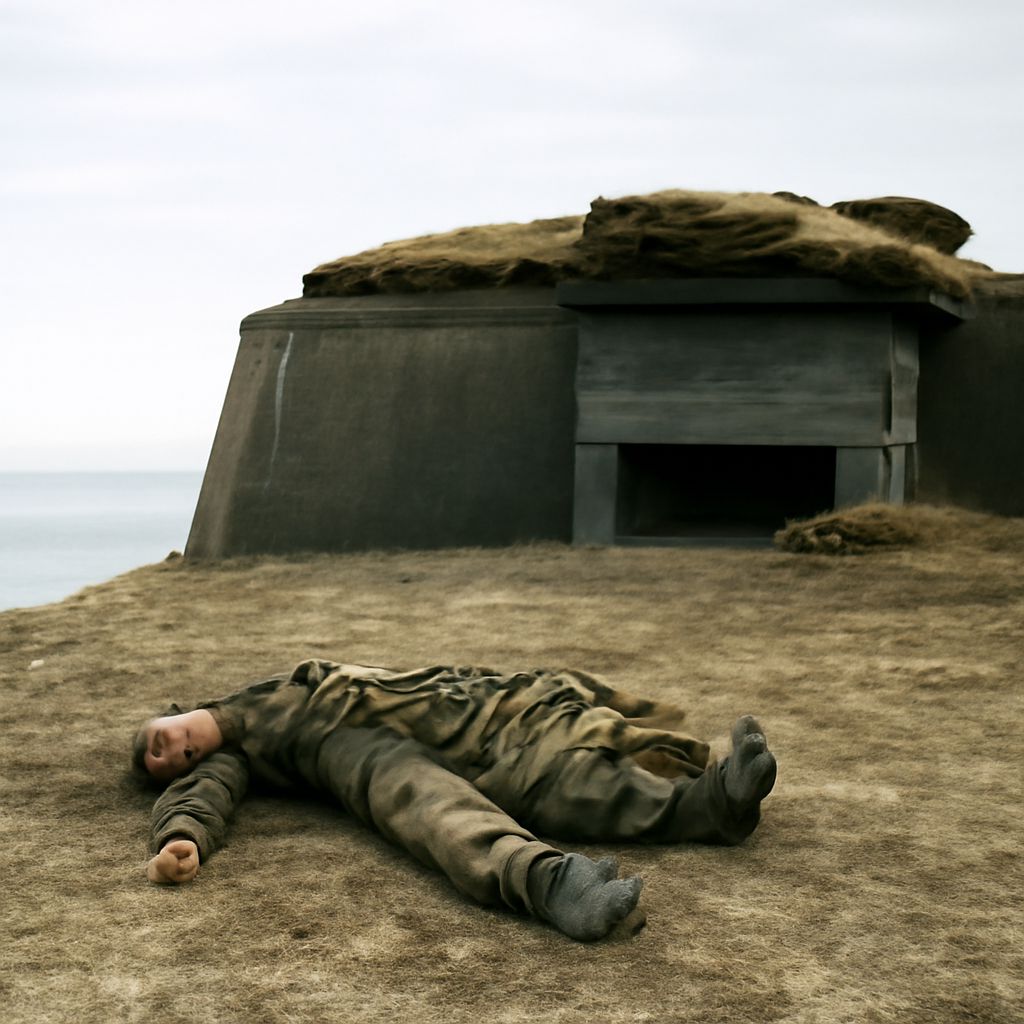
World War 2 was one of the deadliest conflicts in human history. The staggering number of casualties it caused highlights the immense human cost of global warfare. Understanding how many people died during WW2 is essential to grasp the conflict’s impact on both military personnel and civilians worldwide.
Overview of World War 2 Casualties
The total number of deaths in World War 2 is estimated to be around 70 to 85 million, which was about 3-4% of the world’s population at that time. This includes both military and civilian casualties, reflecting the widespread devastation of the war. The question of how many people died during WW2 encompasses a broad range of factors, including battles, bombings, and genocides.
Military Deaths
Military casualties in World War 2 were immense, with approximately 21 to 25 million soldiers losing their lives. The Soviet Union bore the brunt of these losses, with an estimated 8 to 11 million military deaths. Germany followed with around 5.3 million military deaths. The Allies, including the United States, United Kingdom, and China, also suffered significant losses.
The Eastern Front was particularly deadly, as the battles between Nazi Germany and the Soviet Union accounted for the majority of military deaths. Key battles like Stalingrad and Kursk were some of the deadliest, leading to millions of fatalities.
Civilian Deaths
The civilian toll in World War 2 was unprecedented, with estimates ranging from 50 to 55 million. Civilians were targeted in numerous ways, including bombings, massacres, and genocides. The Holocaust remains one of the most horrific examples, with approximately 6 million Jews murdered.
In Asia, the Second Sino-Japanese War led to millions of Chinese civilian deaths. The atomic bombings of Hiroshima and Nagasaki further contributed to the civilian toll. Other countries, like Poland and Yugoslavia, saw significant civilian fatalities due to occupation and warfare.
Impact on Nations
The impact of World War 2’s casualties was felt globally, reshaping nations and societies. In Europe, entire cities were devastated, leading to extensive rebuilding efforts after the war. The Soviet Union’s heavy losses influenced its post-war policies and its role in the emerging Cold War.
In Asia, Japan’s defeat and the immense destruction reshaped its political and economic landscape. China’s massive casualties fueled its post-war transformation, eventually leading to the rise of communism.
Understanding the scale of how many casualties in WW2 occurred helps us appreciate the profound changes brought about by the war and the lasting scars it left on humanity.