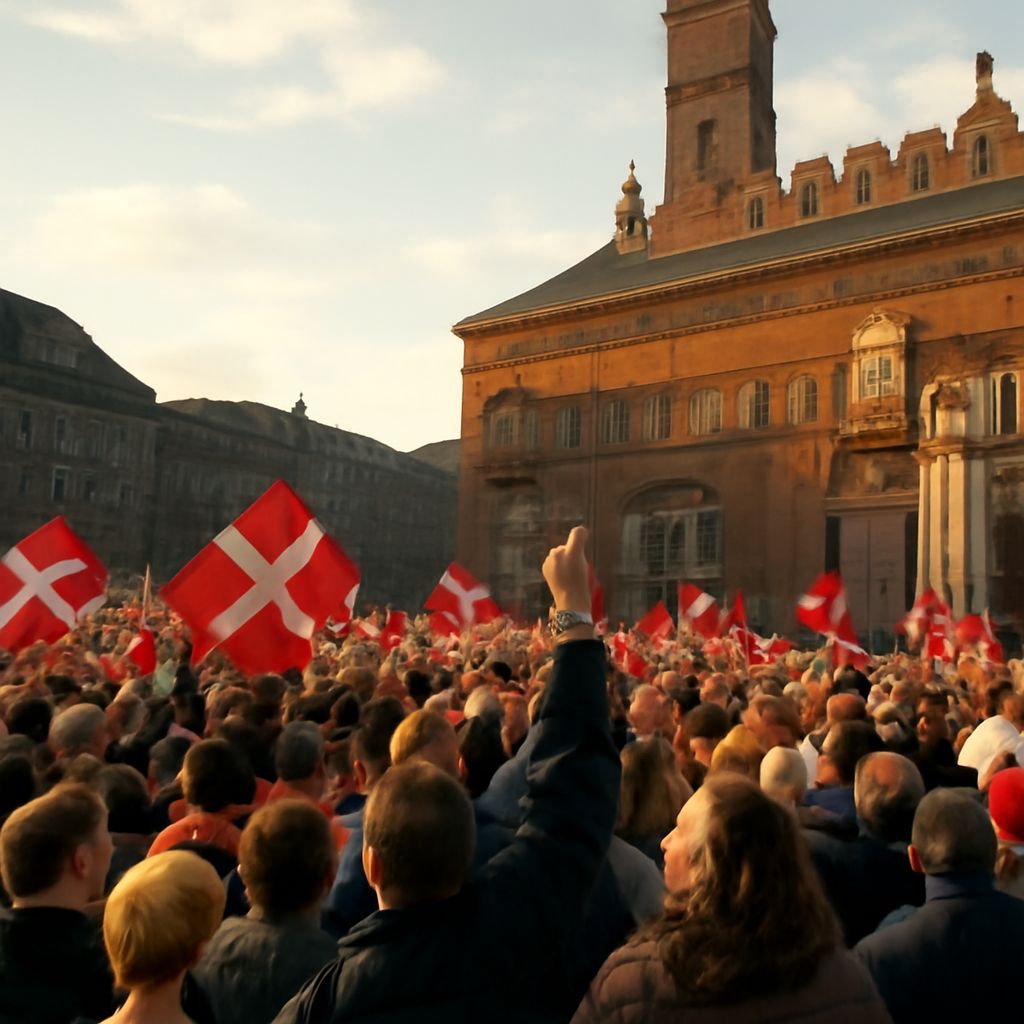
Many people wonder, “Is Denmark a socialist country?” The answer is often not straightforward. While Denmark incorporates some aspects typical of socialism, such as a strong welfare state, it is not a socialist country in the traditional sense. Rather, Denmark operates under a social democracy, which blends a market economy with extensive social policies.
Understanding Socialism
Socialism is a political and economic system where the means of production are owned and regulated by the community as a whole. It emphasizes equal distribution of wealth and resources, aiming to reduce class distinctions. In a pure socialist system, industries and services are often state-owned and operated. This contrasts with capitalism, where private ownership and market forces drive the economy.
Denmark’s Political System
Denmark is a constitutional monarchy with a parliamentary democracy. This means that while the country has a monarch, the real political power lies with elected officials. The Folketing, Denmark’s parliament, is responsible for legislative decisions. Multiple political parties, including those favoring progressive social policies, contribute to a balanced political landscape.
The Danish government is committed to democratic principles such as free elections, freedom of speech, and individual rights. This commitment ensures that power remains with elected representatives and, by extension, the Danish people.
Economic Model of Denmark
Denmark’s economic model is best described as a market economy that is supported by substantial government intervention. The country encourages private enterprise and is home to numerous large corporations that operate globally. Businesses in Denmark benefit from a stable economic environment with low corruption levels.
However, the government plays a significant role in regulating the economy to ensure fair competition and protect workers’ rights. This intervention aims to balance economic growth with social equity.
Welfare State Features
Denmark is renowned for its comprehensive welfare state, which aligns with some aspects of socialism. The welfare policies in Denmark are designed to provide a high standard of living and ensure that all citizens have access to essential services. These include universal healthcare, education, and social security benefits.
The Danish welfare system is largely funded by taxes, which are among the highest in the world. Despite high taxation, Danish citizens typically enjoy benefits like free healthcare and education, and substantial unemployment and retirement benefits. This system is designed to reduce economic inequality and provide a safety net for all citizens.
While elements of socialism are present in Denmark’s welfare policies, the country maintains a capitalist economy supplemented by social safety nets. This combination exemplifies a social democratic model rather than a purely socialist one.