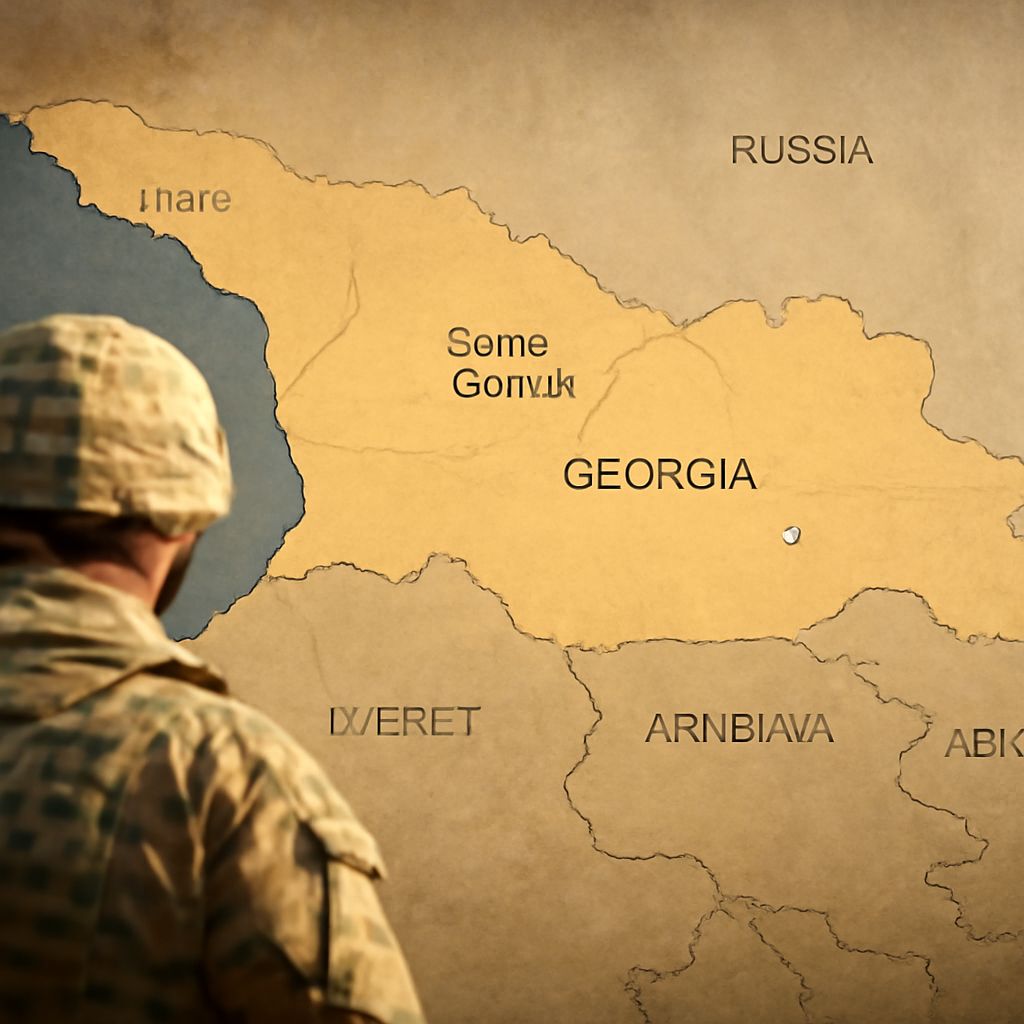
Is Georgia part of Russia? This is a question often asked due to the complex history shared by these two regions. Georgia is an independent country situated at the intersection of Europe and Asia. Despite its proximity to Russia, Georgia’s political status is that of a sovereign nation. Understanding Georgia’s history helps clarify its current independence and relationship with Russia.
Georgia’s Geographic and Political Status
Georgia is located in the South Caucasus region, bordered by Russia to the north, Turkey and Armenia to the south, Azerbaijan to the southeast, and the Black Sea to the west. Its strategic location has made it a focal point in regional geopolitics. Politically, Georgia is a unitary parliamentary republic. It gained independence from the Soviet Union in 1991 and is recognized globally as a separate nation. Therefore, Georgia is not part of Russia.
Historical Background of Georgia
The history of Georgia as a country dates back to ancient times. It was known for its rich culture and as a crossroads for trade between Europe and Asia. Over the centuries, Georgia experienced various periods of independence and foreign domination. It was a kingdom in the early centuries, with notable periods of unity and strength, especially during the reign of King David IV and Queen Tamar.
In the 19th century, Georgia was annexed by the Russian Empire. This period marked a significant shift in Georgia’s history as it came under Russian control, which lasted until the fall of the Russian Empire during World War I.
Georgia’s Relationship with Russia
Georgia’s relationship with Russia has been marked by periods of tension and cooperation. After the Russian Revolution in 1917, Georgia briefly gained independence, forming the Democratic Republic of Georgia in 1918. However, this independence was short-lived, as the Soviet Red Army invaded Georgia in 1921, incorporating it into the Soviet Union.
Throughout Soviet rule, Georgia maintained a distinct cultural identity. Tensions emerged in the late 20th century as the Soviet Union began to disintegrate. Georgia declared independence in 1991, leading to new challenges in its relationship with Russia. Recent conflicts, like the 2008 Russo-Georgian War, have highlighted ongoing territorial disputes, particularly over the regions of Abkhazia and South Ossetia, which are internationally recognized as part of Georgia but have declared independence with Russian support.
Modern Georgia’s Independence
Today, Georgia is a proud and independent nation with aspirations to integrate more closely with the West, including joining NATO and the European Union. This path has often brought it into conflict with Russian interests in the region. Despite these challenges, Georgia continues to strengthen its democratic institutions and economy.
The resilience of the Georgian people and their commitment to sovereignty is evident in their continued push for international recognition and partnership. This modern chapter of Georgia’s history is defined by its independence and a unique cultural identity separate from Russian influence.