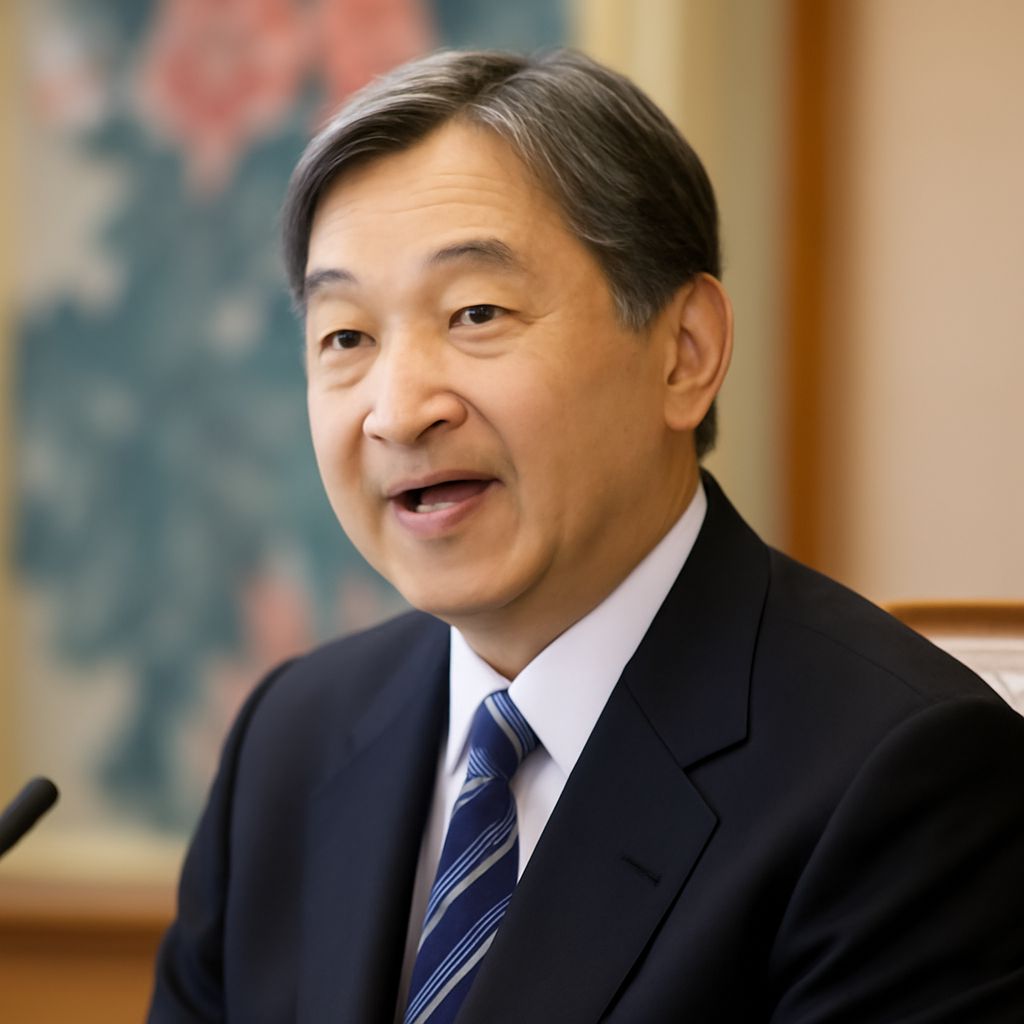
Japan’s imperial institution is sometimes assumed to have disappeared after World War II. It remains in place, but its constitutional role changed profoundly: the Japanese monarch is a symbol of the state and the unity of its people, while elected institutions and the cabinet govern. As of August 29, 2026, the throne is held by Naruhito, who succeeded his father in 2019.
Does Japan Still Have an Emperor and Who Holds the Throne?
Yes. In Japan, Emperor Naruhito acceded on May 1, 2019, following the abdication of his father, Akihito. The Imperial Household Agency identifies Naruhito and records the date of his accession. His reign uses the era name Reiwa; dates in Japan may be expressed using that era as well as the international calendar.
Does Japan still have an emperor with governing power? The position continues, but the current constitution expressly gives the emperor no powers related to government. The difference is important when reading about ceremonies of appointment or the promulgation of laws: the emperor performs specified state acts within a framework of decisions made by other authorities.
Akihito’s abdication took place under special legislation, and he became emperor emeritus. The transition shows that the continuity of the throne is maintained through law as well as ceremony. It does not make the emperor an elected political leader or transfer the cabinet’s responsibilities to the palace.
A symbol under the postwar constitution
Article 1 of the Constitution of Japan describes the emperor as the symbol of the state and the unity of the people and derives that position from the will of the people, in whom sovereign power resides. The constitution took effect in 1947, during the Allied occupation following Japan’s defeat in World War II.
Article 4 confines the emperor to the acts in matters of state provided for in the constitution and denies powers related to government. Under Article 6, the emperor appoints the prime minister designated by the Diet, Japan’s national legislature, and the chief judge of the Supreme Court designated by the cabinet. The emperor does not independently choose either officeholder.
Article 7 lists other state acts, including promulgating laws and convening the Diet, with the cabinet’s advice and approval. The constitution makes the cabinet responsible for the emperor’s acts in matters of state. These formal acts are part of the legal process, but the authority to make policy and the political accountability for governing lie elsewhere.
How the institution changed over time
The imperial court has a long history, but the emperor’s actual influence has varied greatly. At different times, aristocratic families, regents, and military governments exercised effective power while the court remained a source of legitimacy. From the late twelfth century, shoguns and their governments played major roles in rule; the relationship between court and military authorities changed across the centuries.
The Meiji Restoration of 1868 ended the Tokugawa shogunate and placed the emperor at the center of a new political order. Reformers built national institutions and presented imperial authority as a foundation for modernization. The 1889 Meiji Constitution vested sovereignty in the emperor and provided for a legislature and ministers, creating a system very different from today’s constitutional monarchy.
During the 1930s and World War II, the throne was bound to the Japanese empire’s political and military order. Emperor Hirohito, posthumously known in Japan as Emperor Showa, remained on the throne after defeat. Historians debate the extent of his knowledge, influence, and responsibility for particular wartime decisions; those questions require attention to institutions and evidence, not a simple equation of constitutional theory with personal control.
The postwar constitution replaced imperial sovereignty with popular sovereignty. Hirohito’s position continued, but the legal foundation and scope of the office changed. The transformation helps explain why the same institution can appear in histories of both imperial government and contemporary parliamentary democracy.
Public duties and succession
The emperor of Japan receives foreign dignitaries and participates in ceremonies and public occasions. Imperial visits and expressions of sympathy after disasters can carry public significance, although they do not confer authority to direct government policy. The Imperial Household Agency supports the imperial family and administers matters connected with the household.
The current Japanese emporer performs those duties alongside Empress Masako. Public activity extends beyond the enumerated constitutional acts of state, but it remains distinct from the cabinet’s executive work. The distinction between public representation and policy direction is central to understanding the present office.
The Imperial House Law governs succession. Under its current terms, the throne passes to male descendants in the male line of the imperial lineage. The size of the eligible family has prompted discussion about the institution’s future, but succession rules require legislative decisions rather than a personal choice by the emperor.
The continued existence of Japans emperor therefore rests on a constitutional settlement as well as hereditary succession. The Diet legislates, the cabinet exercises executive power, and the emperor carries out the role assigned to the throne. Changes to succession arrangements would have to be understood against that division of authority.