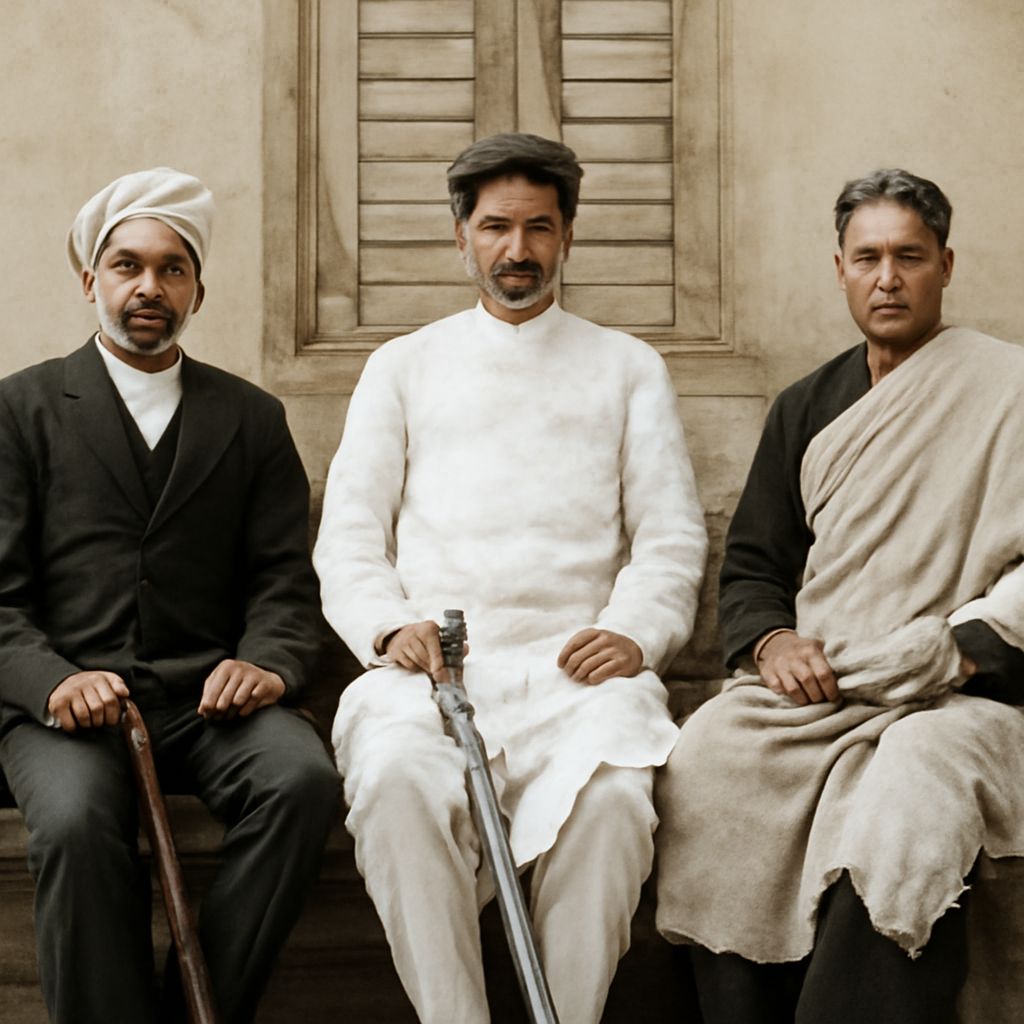
The British Raj was a significant period in India’s history, lasting from 1858 to 1947. This era marked the direct control of the British crown over the Indian subcontinent. It ended in 1947 when India gained independence, leading to the departure of the British from the country. Let’s explore the intricacies of this historic period and the profound impact it had on Indian society.
Overview of the British Raj
The British Raj began after the Indian Rebellion of 1857, which led to the dissolution of the East India Company’s rule. The British government took direct control, establishing governance structures that changed India’s political landscape. This era saw the introduction of Western education, legal systems, and infrastructure development.
Impact on Indian Society
The British Raj significantly influenced Indian society. While it introduced modern infrastructure like railways and telegraphs, it also disrupted traditional industries. The emphasis on cash crops led to economic challenges for Indian farmers. Socially, the British implemented policies that fueled divisions among communities, often exploiting existing caste and religious tensions.
However, this period also sparked a rise in Indian nationalism. Educated Indians began to question colonial rule, leading to the formation of political groups advocating for self-governance. Figures like Mahatma Gandhi emerged, promoting nonviolent resistance, which played a crucial role in uniting people across different backgrounds.
Path to Independence
The path to Indian independence was marked by numerous struggles and negotiations. The two World Wars had a significant impact, as India’s resources were heavily used to support the British war efforts. Post-World War II, Britain faced economic difficulties and growing demands for independence from Indian leaders.
Key events leading to independence included the Quit India Movement in 1942, which intensified the call for British withdrawal. Additionally, the Indian National Congress and the Muslim League’s differing visions for India led to complex negotiations, eventually resulting in the decision for partition.
When the British Left India
The British officially left India on August 15, 1947. This date marked the end of the British Raj and the birth of two independent nations, India and Pakistan. The transition was not without challenges, as it involved the partition of territories, leading to significant migration and communal violence.
The legacy of the British Raj remains impactful in modern India, influencing its cultural, political, and economic frameworks. Understanding this period is crucial to grasping India’s journey to becoming the world’s largest democracy.