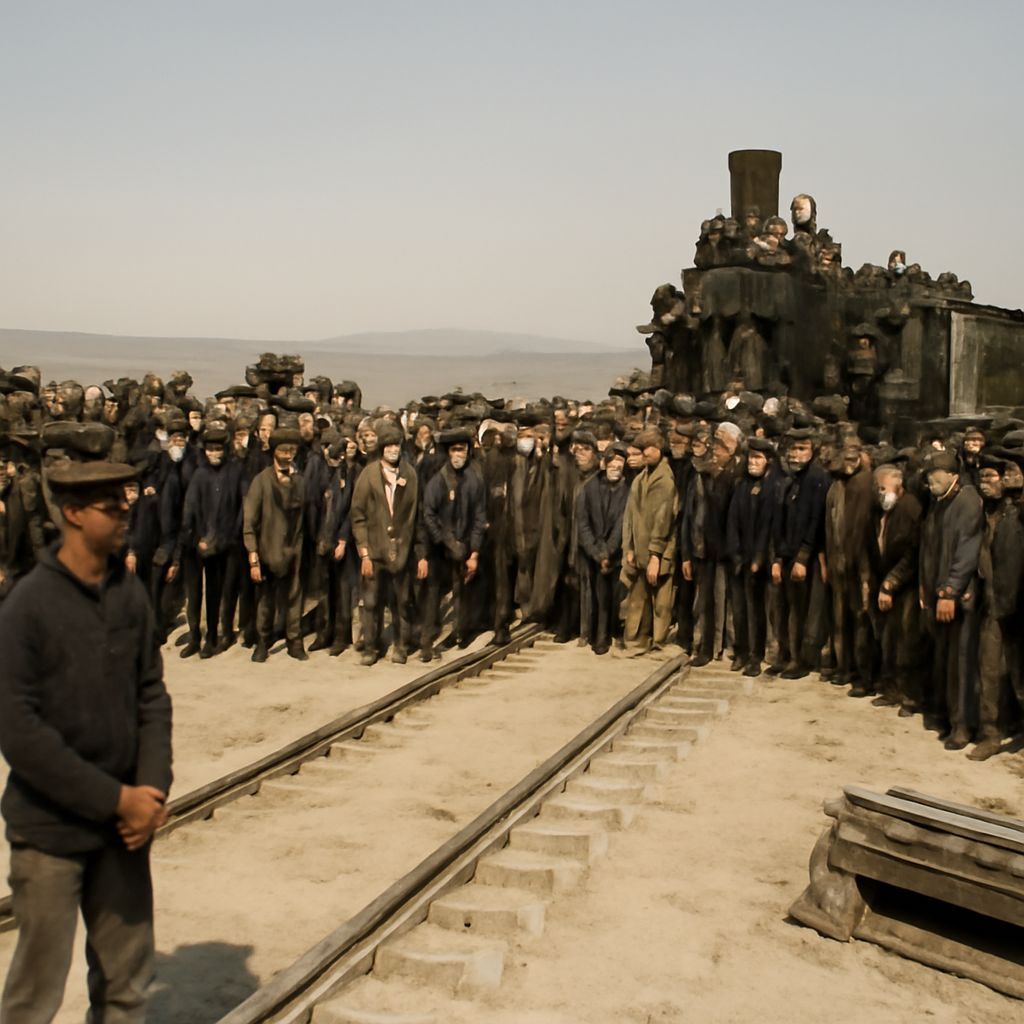
The transcontinental railroad stands as one of the most significant achievements in American history. By connecting the East and West coasts, it revolutionized transportation and commerce in the 19th century. This monumental project not only facilitated the movement of people and goods but also played a crucial role in shaping the United States into a united nation. Understanding its origins, construction challenges, and the impact it had on America offers valuable insights into its historical importance.
Origins of the Transcontinental Railroad
The idea of a transcontinental railroad was conceived in the early 19th century. By the 1850s, the concept gained significant support, driven by the need to connect the rapidly growing western territories with the East. The Pacific Railroad Act, signed by President Abraham Lincoln in 1862, authorized the construction of the railroad, marking the official start of the project. But where did the transcontinental railroad start?
The railroad project commenced with two main companies: the Union Pacific Railroad and the Central Pacific Railroad. The Union Pacific started its construction from Omaha, Nebraska, while the Central Pacific began building its line from Sacramento, California. This dual approach allowed work to proceed simultaneously from both the eastern and western parts of the country.
Construction Challenges
Building the transcontinental railroad was no easy feat. The construction teams faced numerous challenges, including difficult terrain, harsh weather conditions, and a shortage of labor. The Union Pacific Railroad had to deal with vast plains and the Rocky Mountains, whereas the Central Pacific Railroad faced the formidable Sierra Nevada range.
Labor was another significant hurdle. The Central Pacific relied heavily on Chinese immigrants, who became instrumental in the project, while the Union Pacific primarily hired Irish immigrants and Civil War veterans. Despite the diversity in the workforce, the laborers faced tough working conditions and significant risks.
Key Milestones and Completion
As the construction progressed, several key milestones marked the journey toward completion. On May 10, 1869, the two railroads finally met at Promontory Summit, Utah, in a historic moment known as the “Golden Spike” ceremony. This event symbolized the completion of the first transcontinental railroad, connecting the nation from coast to coast.
The completion of the railroad reduced travel time across the country from several months to just about a week, proving to be a game-changer for both people and businesses. The railroad’s operation opened up new opportunities for trade, migration, and economic development, facilitating growth in the western regions.
Impact on America
The transcontinental railroad had a profound impact on America, transforming it economically, socially, and geographically. It enabled faster communication and transport, leading to the expansion of cities and industries. The railroad also played a pivotal role in the westward expansion, encouraging settlers to move to new territories and contribute to the nation’s growth.
Moreover, it paved the way for further railway developments, setting the stage for the modern transportation network we see today. Despite its many benefits, the railroad also had negative consequences, particularly for Native American communities, whose lands and way of life were disrupted by the expanding railroad.
In summary, the transcontinental railroad was a remarkable achievement that shaped the future of the United States. Its construction and completion represented human ingenuity and perseverance, leaving a lasting legacy on the nation’s landscape and history.