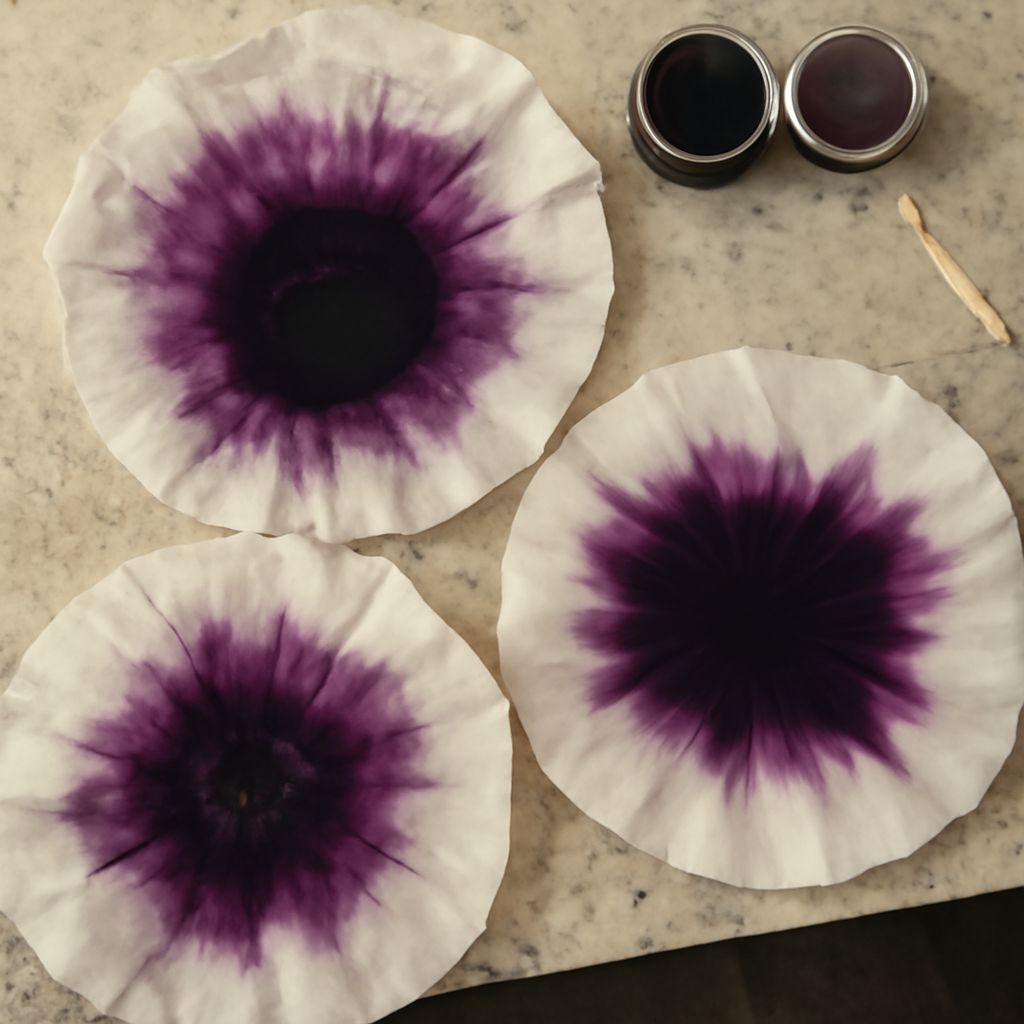
Tyrian purple stands as one of the most legendary and valuable dyes of the ancient world. Revered for its vibrant, long-lasting color and association with wealth and power, this dye was once more expensive than gold. The secret behind Tyrian purple lies in its natural source: the murex snail. Ancient Mediterranean civilizations, especially the Phoenicians, perfected the art of extracting and producing this remarkable color, creating a legacy that endures in language, art, and culture.
What Is Tyrian Purple?
Tyrian purple, also known as royal purple, is a natural dye prized for its deep, rich hue. The color ranges from crimson to violet-purple depending on how it was produced and the specific species of murex snail used. Unlike plant-based dyes, Tyrian purple does not fade in sunlight or with washing, making it highly sought after for textiles and ceremonial garments.
The name “Tyrian purple” comes from the ancient Phoenician city of Tyre, which became famous for producing and trading this dye throughout the Mediterranean. The dye’s brilliance, permanence, and rarity made it a symbol of status and authority for thousands of years. Only the elite—royalty, high priests, and senior officials—were allowed to wear garments dyed with this precious pigment in many societies.
Today, Tyrian purple remains an object of fascination for historians, archaeologists, and fashion enthusiasts. Its legacy lives on in the term “born to the purple,” which refers to someone of noble birth.
Origins: The Murex Snail Dye
The unique color of Tyrian purple comes from a natural compound found in certain sea snails, specifically those of the Murex genus. These marine snails inhabit rocky shores in the Mediterranean. The process of obtaining murex purple was complex and labor-intensive, which contributed to its high value.
To create the dye, ancient producers harvested thousands of murex snails. They carefully extracted a tiny gland from each snail, which contained a yellowish liquid. Once exposed to sunlight and air, this liquid underwent a series of chemical changes, turning first green, then blue, and finally deep purple. It could take up to 12,000 snails to produce just 1.5 grams of pure dye—enough to color a single garment.
The strong, sometimes unpleasant odor from fermenting snail glands, and the labor required to capture and process the snails, made murex snail dye both costly and exclusive. Archaeological finds in Lebanon, Cyprus, and Crete have uncovered vast mounds of discarded murex shells, evidence of the large-scale dye industry that once thrived on the Mediterranean coast.
Natural variations between murex species and processing methods could produce slightly different shades, from reddish Tyrian purple to the bluer “royal blue” sometimes seen in ancient textiles.
The Phoenicians and Purple Dye Production
The Phoenicians, skilled traders and seafarers, dominated the production of Tyrian purple for over a millennium. Their coastal cities—especially Tyre and Sidon—became synonymous with quality purple dye, which they exported across the ancient world.
Phoenicians refined the extraction and dyeing process. They kept the exact method a carefully guarded secret, which helped maintain their economic monopoly. Workshops needed to be close to the shoreline both for access to fresh murex snails and to dispose of waste. The dyeing process often involved fermenting snail glands in large vats, then soaking wool, linen, or silk for several days to achieve the desired color intensity.
Textiles colored with Phoenicians purple dye fetched astonishing prices. In some periods, a pound of purple wool cost more than a pound of gold. This exclusivity made Tyrian purple a marker of the elite and a source of wealth for Phoenician city-states. Royal courts and temples as far as Rome, Egypt, and Persia prized these textiles for ceremonial robes, official cloaks, and decorative banners.
Phoenician dye workshops left clear traces in the archaeological record, including piles of crushed murex shells and dye vats found in places like Tyre, Sarepta, and Carthage. The spread of Phoenician influence helped popularize both the color and the technology across the Mediterranean, leaving a lasting imprint on Western civilization.
Cultural Significance and Legacy
The symbolic power of Tyrian purple extended far beyond fashion. In many societies, wearing this color was an exclusive privilege. In Rome, only the emperor and certain high-ranking officials could wear togas dyed entirely with Tyrian purple; the penalty for unauthorized use was severe. Purple became shorthand for imperial authority, religious power, and social prestige throughout the classical world.
Beyond clothing, Tyrian purple influenced language and art. Phrases like “imperial purple” and “born in the purple” derive from its association with nobility. The dye’s rarity and laborious production process fed myths about its magical or divine origins. Ancient texts describe the discovery of the dye as a gift from the gods, and it appears in Biblical accounts and classical literature as a symbol of opulence and divine favor.
Although the original techniques of murex purple production faded after the fall of the Roman Empire, the legend of Tyrian purple persisted. It inspired later dyes and continued to represent luxury, royalty, and tradition in Europe and the Middle East. Today, scientists and craftspeople have revived the traditional methods for experimental archaeology and luxury textiles, reconnecting the modern world to the grandeur of ancient purple.
Tyrian purple remains a powerful reminder of how a simple sea snail transformed fashion, trade, and culture for centuries. Its story offers a unique window into the innovation and ambition of the ancient Mediterranean world.