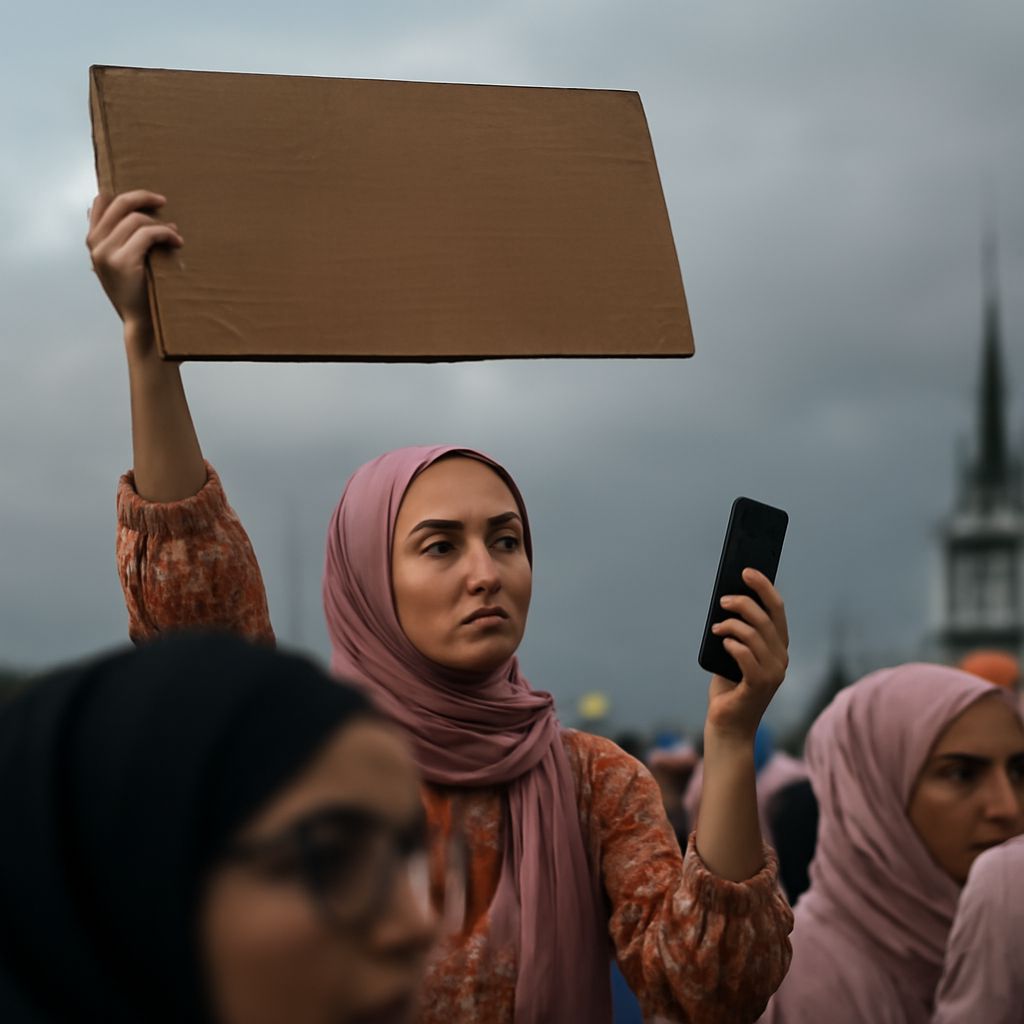
In 2018, Denmark enacted a controversial law prohibiting the wearing of face-covering garments in public spaces, commonly referred to as the “Denmark burqa ban.” This legislation has sparked widespread debate, touching on issues of religious freedom, integration, and security. Understanding the reasons behind this decision and its implications is crucial for grasping the broader cultural and political dynamics in Denmark and beyond.
Overview of the Ban
The Danish burqa ban officially took effect on August 1, 2018. It prohibits the wearing of full-face veils such as burqas and niqabs in public spaces. The law applies to all individuals, regardless of their religious beliefs, and includes exceptions for protective masks, winter clothing, and other specific circumstances, such as health-related coverings.
Under the ban, first-time offenders can receive a fine of 1,000 DKK (around 150 USD), with fines increasing for repeat offenses. The law does not specifically target any religious group but has been widely interpreted as affecting Muslim women who choose to wear full-face coverings as part of their religious practice.
Reasons Behind the Ban
The Danish government has cited several reasons for implementing the burqa ban. Primarily, it argues that face-covering garments hinder communication and social interaction, which are essential for integration into Danish society. By requiring open facial visibility, the law aims to promote better interpersonal exchanges and foster a more inclusive public environment.
Security concerns also played a role in the decision. Proponents of the ban argue that face coverings could potentially be used to conceal identities, posing a risk to public safety. The government posits that the ban helps prevent any misuse of face coverings that could facilitate criminal activities.
Additionally, the law reflects broader European trends, as several neighboring countries have implemented similar bans. Denmark’s decision aligns with a regional shift towards stricter regulation of religious attire, often justified on the grounds of promoting secularism and ensuring public order.
Reactions and Controversies
The burqa ban has sparked significant controversy both within Denmark and internationally. Supporters argue that the law is a necessary step towards maintaining social cohesion and upholding democratic values. They believe it empowers women by discouraging practices they perceive as oppressive.
However, critics view the ban as an infringement on religious freedom and an example of state overreach. They argue that it disproportionately targets Muslim women and exacerbates social divisions. Some human rights organizations have condemned the law, asserting that it violates individuals’ rights to express their religious beliefs freely.
Public protests and legal challenges have emerged in response to the ban. In the months following its implementation, several women received fines for violating the law, drawing media attention and reigniting debates about its fairness and effectiveness.
Comparative Analysis
Denmark’s burqa ban is part of a broader trend seen across Europe, where several countries have enacted similar legislation. France was the first European nation to introduce a nationwide ban on face coverings in 2011, followed by Belgium, Austria, and the Netherlands. Each country has its own justifications and implementations, reflecting diverse cultural and political contexts.
In France, the ban emphasizes the principles of secularism and the need to maintain a clear separation between religion and public life. Belgium’s approach closely mirrors France’s, focusing on public safety and integration. Austria and the Netherlands have justified their bans with similar reasons, including social cohesion and security.
While these countries share common concerns, the effectiveness and consequences of such bans vary significantly. In some cases, bans have led to increased stigmatization and alienation of Muslim communities, while in others, they have sparked broader discussions about national identity and multiculturalism.
Understanding Denmark’s burqa ban within this wider context highlights the complex interplay between cultural identity, religious freedom, and state policies. As debates continue, the long-term impacts of such legislation on Danish society and its integration efforts remain closely watched by observers both within Europe and globally.