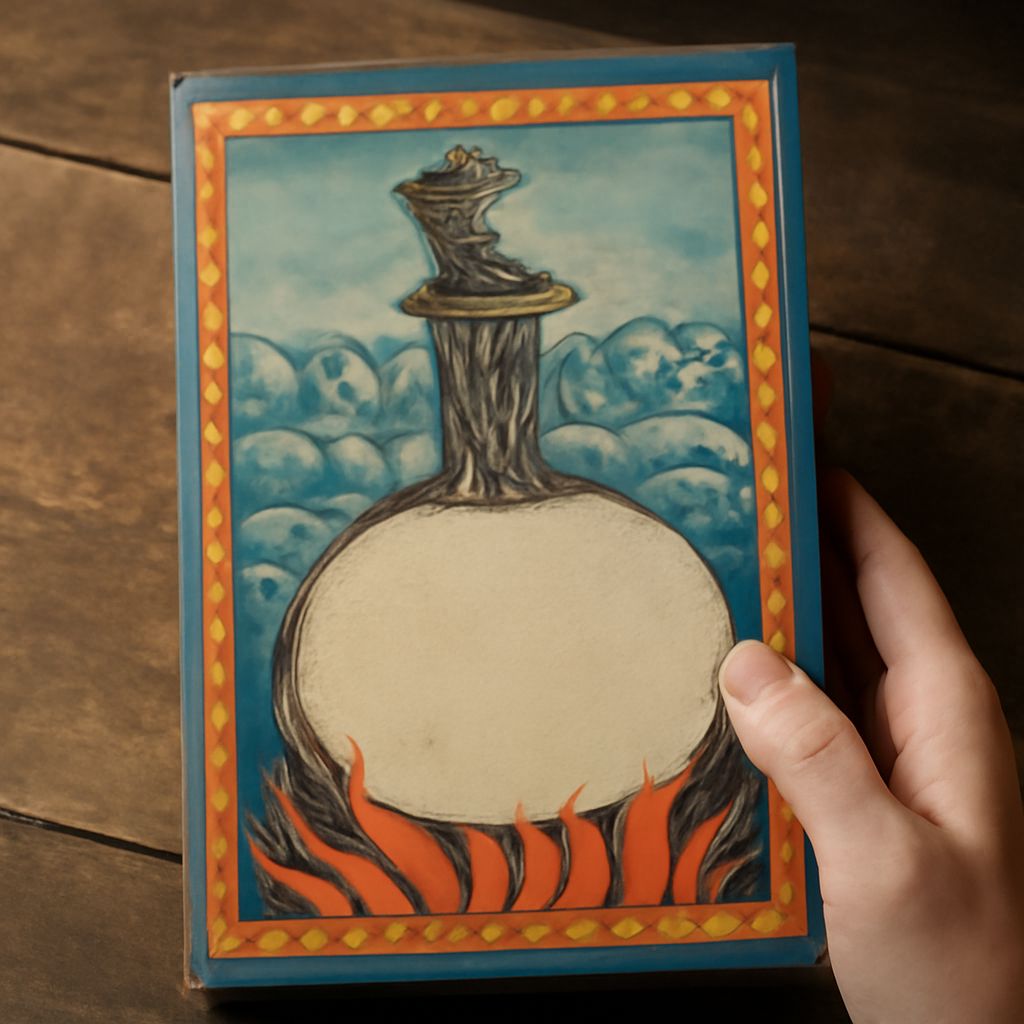
Alchemy is an ancient practice that combines elements of science, philosophy, and mysticism. Often associated with the quest to transform base metals into gold, alchemy has a rich history that spans cultures and centuries. But what is alchemy really about, and how did it shape modern scientific thought?
Understanding Alchemy
At its core, alchemy is a philosophical and proto-scientific tradition. Originating around the 4th century BC, it encompasses various practices aimed at understanding the mysteries of life and the universe. Practitioners, known as alchemists, sought the philosopher’s stone, a legendary substance believed to grant immortality and the ability to turn any metal into gold.
Alchemy is not merely about material transformation. It also represents a spiritual journey, symbolizing personal and intellectual growth. Alchemists believed in the interconnectedness of all things, a concept that is reflected in their work.
Principles of Ancient Alchemy
Ancient alchemy is founded on several key principles. The most well-known is the concept of transmutation, the transformation of one substance into another. This idea is famously represented in efforts to convert base metals into precious ones, like gold.
Alchemists also believed in the unity of all matter, advocating that everything in the universe is connected and made of the same fundamental materials. This principle is related to the idea of the “prima materia,” the original substance from which all matter is formed.
The process of alchemy often included three primary stages: nigredo (blackening), albedo (whitening), and rubedo (reddening), symbolizing different phases of purification and enlightenment.
Historical Significance
Alchemy has had a profound impact on various cultures, notably in Europe, the Middle East, and China. In the Islamic Golden Age, alchemy flourished with scholars like Jabir ibn Hayyan, who introduced scientific methods and experimentation.
During the Middle Ages, alchemy was preserved and expanded upon by European scholars. It was a precursor to modern chemistry, with figures like Paracelsus and Isaac Newton exploring alchemical concepts alongside their scientific research.
Alchemy’s esoteric symbolism also influenced art and literature, contributing to the Renaissance’s revival of classical knowledge and creativity.
Alchemy’s Influence on Modern Science
The legacy of alchemy is most evident in its contribution to the development of modern chemistry. Alchemists were among the first to engage in systematic experimentation, laying the groundwork for the scientific method.
Many of the tools and techniques used by alchemists, such as distillation and calcination, are still employed in laboratories today. Their exploration of substances and reactions paved the way for discoveries in matter, elements, and compounds.
Moreover, alchemical ideas about transformation and connection resonate in contemporary fields like psychology and philosophy, emphasizing the holistic and transformative aspects of human understanding.