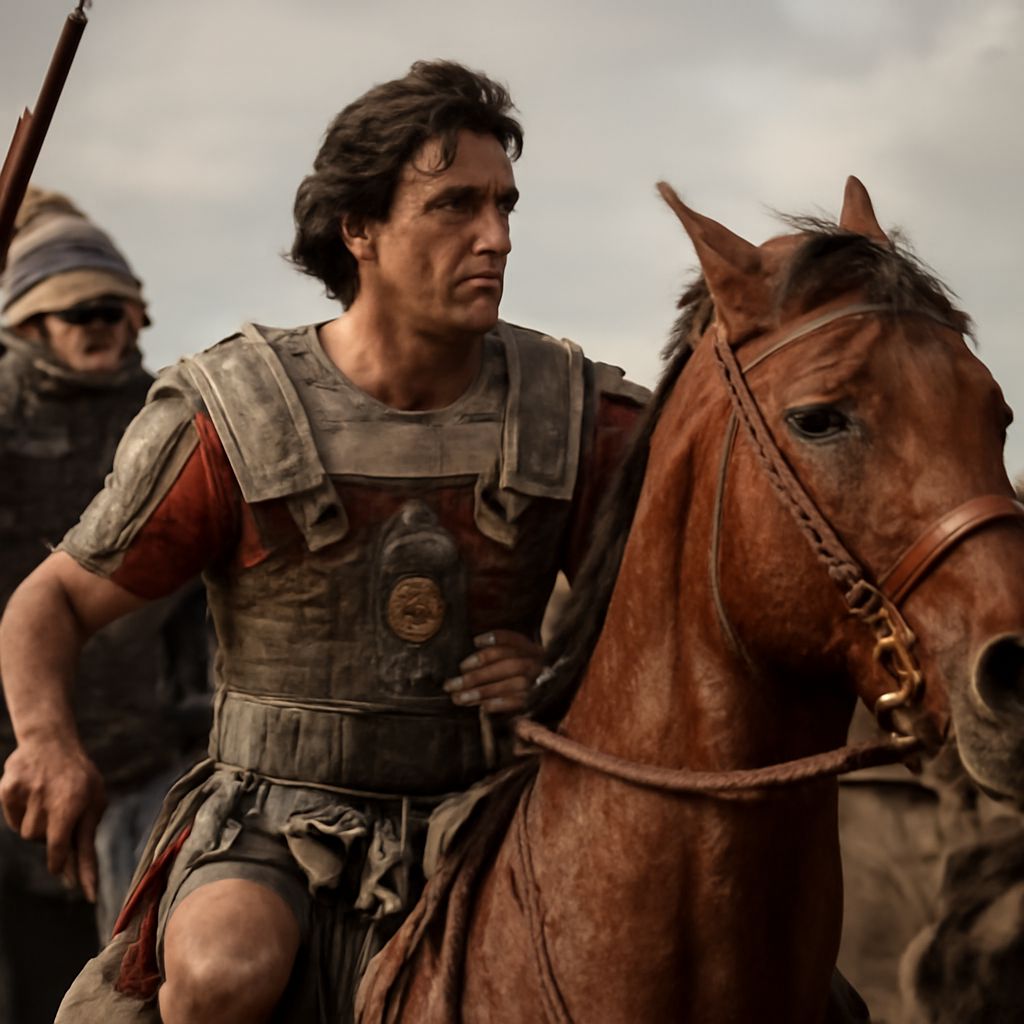
Cyrus the Great, the founder of the Achaemenid Empire, stands as one of history’s most remarkable figures. Revered for his military prowess and innovative governance, Cyrus the Great laid the foundation for a vast empire that extended from the Mediterranean Sea to the Indus River. His legacy has influenced countless rulers and continues to impact discussions of leadership and succession.
Introduction to Cyrus the Great
Born around 600 BC, Cyrus II, commonly known as Cyrus the Great, rose to prominence as the king of Persia. Under his leadership, the Persian Empire became the largest the world had ever seen. His reign marked a new era of cultural and political change, earning him a reputation as a benevolent and strategic leader.
Military Achievements
Cyrus the Great was a master strategist, known for his tactical brilliance on the battlefield. His most significant military achievement was the conquest of Babylon in 539 BC. By diverting the Euphrates River, Cyrus’s army entered the city with minimal resistance, marking a pivotal moment in his campaign. This conquest not only expanded his empire but also demonstrated his ability to incorporate different cultures under one rule.
Cyrus’s approach to warfare was marked by respect for local customs, which helped him maintain control over newly conquered territories. This strategy of respect and integration was a cornerstone of his military success and contributed to the stability of his empire.
Innovations in Governance
Beyond his military conquests, Cyrus the Great was renowned for his groundbreaking governance methods. He introduced a system that allowed a degree of autonomy for the different regions within his empire, respecting local customs and traditions. This policy of tolerance and cultural respect fostered loyalty among his subjects.
Cyrus is also credited with creating the Cyrus Cylinder, often considered the first charter of human rights. This document outlined his policies of religious tolerance and the protection of individual rights, setting a precedent for future civilizations. His governance style was a blend of centralized authority and local autonomy, which proved effective in managing his vast empire.
Impact on Succession and Rulership
The policies and governance style of Cyrus the Great had a profound impact on succession and rulership. His successful model of leadership was studied and emulated by subsequent empires and rulers, including the Romans and Alexander the Great. The idea of respecting local traditions while maintaining a unified empire became a blueprint for future empires.
Cyrus’s influence is also evident in the way he managed succession. He established a lineage of rulers, ensuring continuity and stability within the empire. His approach to leadership and succession laid the groundwork for dynastic rule in Persia and beyond.
Cultural and Historical Legacy
Cyrus the Great’s legacy extends beyond his military and political achievements. His respect for different cultures and religions has left a lasting mark on history. He is remembered as a liberator, particularly by the Jewish people, whom he freed from Babylonian captivity. This act is celebrated in religious texts and has elevated his status as a just and noble ruler.
In modern times, Cyrus’s legacy continues to influence discussions about leadership and governance. His vision of an inclusive and tolerant empire serves as an inspiration for leaders seeking to create harmonious and diverse societies. The principles he established resonate in contemporary debates about human rights and governance.
The life and accomplishments of Cyrus the Great remain a testament to his enduring influence. His innovative leadership, military genius, and dedication to cultural inclusion have secured his place as a pivotal figure in world history.