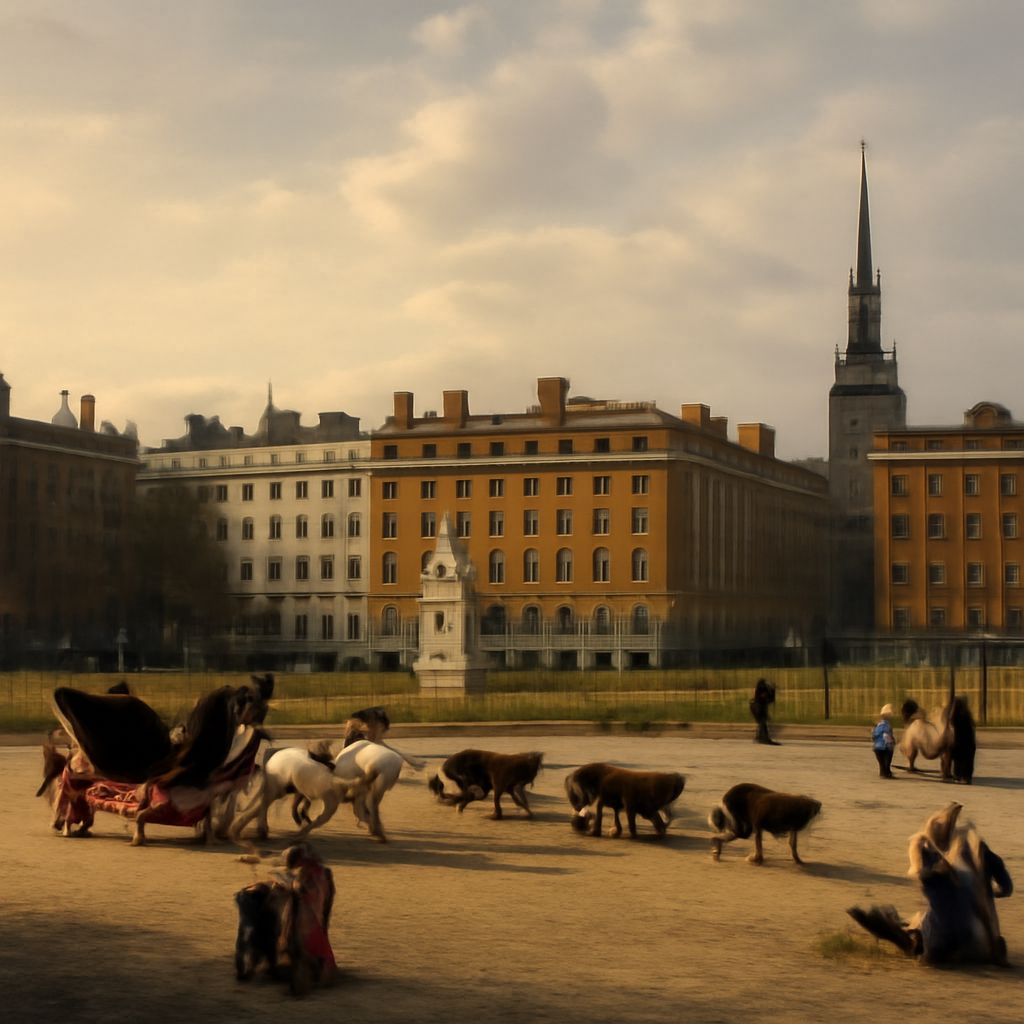
The Regency Era is a captivating period in British history known for its distinctive style and cultural developments. Spanning from 1811 to 1820, this era saw significant changes in art, literature, and society. Often romanticized in novels and films, the Regency Era offers a rich tapestry of stories and characters that continue to intrigue historians and enthusiasts alike. Let’s delve into the historical background, cultural impact, timeline, and key figures of this fascinating period.
Historical Background
The Regency Era in England officially began in 1811 when King George III was deemed unfit to rule due to his mental illness. As a result, his son, the Prince of Wales, was appointed as the Prince Regent, effectively ruling on behalf of his father. This period lasted until 1820, when George III passed away, and the Prince Regent became King George IV.
During this time, Regency England experienced significant social and political changes. The Napoleonic Wars influenced the economy and politics, while the Industrial Revolution began to transform society with technological advances and urbanization. These changes set the stage for the modernization of Britain and had a lasting impact on the country’s development.
Cultural Impact
The Regency Era is often celebrated for its cultural contributions, particularly in literature and the arts. Figures like Jane Austen and Lord Byron emerged during this time, leaving a lasting legacy on English literature. Austen’s works, such as “Pride and Prejudice” and “Sense and Sensibility,” offered keen social commentary and are still beloved today.
In the arts, the Regency period saw the rise of the Romantic movement, which emphasized emotion and individualism. This movement was reflected in the works of painters like J.M.W. Turner and John Constable, who captured the era’s landscapes and emotions with striking detail.
Timeline of the Regency Period
The Regency period officially began in 1811 and ended in 1820. However, the influence of this era extended beyond these dates. Key events during this time included the continued conflict with Napoleonic France, culminating in the Battle of Waterloo in 1815. This victory solidified Britain’s status as a dominant world power.
In 1816, the “Year Without a Summer” caused by the eruption of Mount Tambora led to widespread crop failures and economic hardship, highlighting the vulnerability of societies to natural disasters. These events, alongside social changes, contributed to the dynamic and often tumultuous nature of the Regency period.
Key Figures
Several prominent figures defined the Regency Era, both culturally and politically. The Prince Regent, later King George IV, was a central figure known for his extravagant lifestyle and patronage of the arts. His influence on fashion and culture was significant, often setting trends that defined the period.
Other notable figures include the aforementioned authors Jane Austen and Lord Byron, whose works captured the imagination of readers and set new standards in literature. In politics, figures like Arthur Wellesley, the Duke of Wellington, played a crucial role in Britain’s military successes, particularly at the Battle of Waterloo.
The Regency period was also marked by the rise of influential socialites such as Beau Brummell, who became an arbiter of fashion and style, leaving a lasting impact on gentlemanly attire.
In summary, the Regency Era was a short but impactful period in British history. Its legacy continues to be celebrated in literature, art, and fashion, offering a glimpse into a time of significant social change and cultural development. Through its influential figures and events, the Regency Era remains a captivating subject for historians and enthusiasts alike.