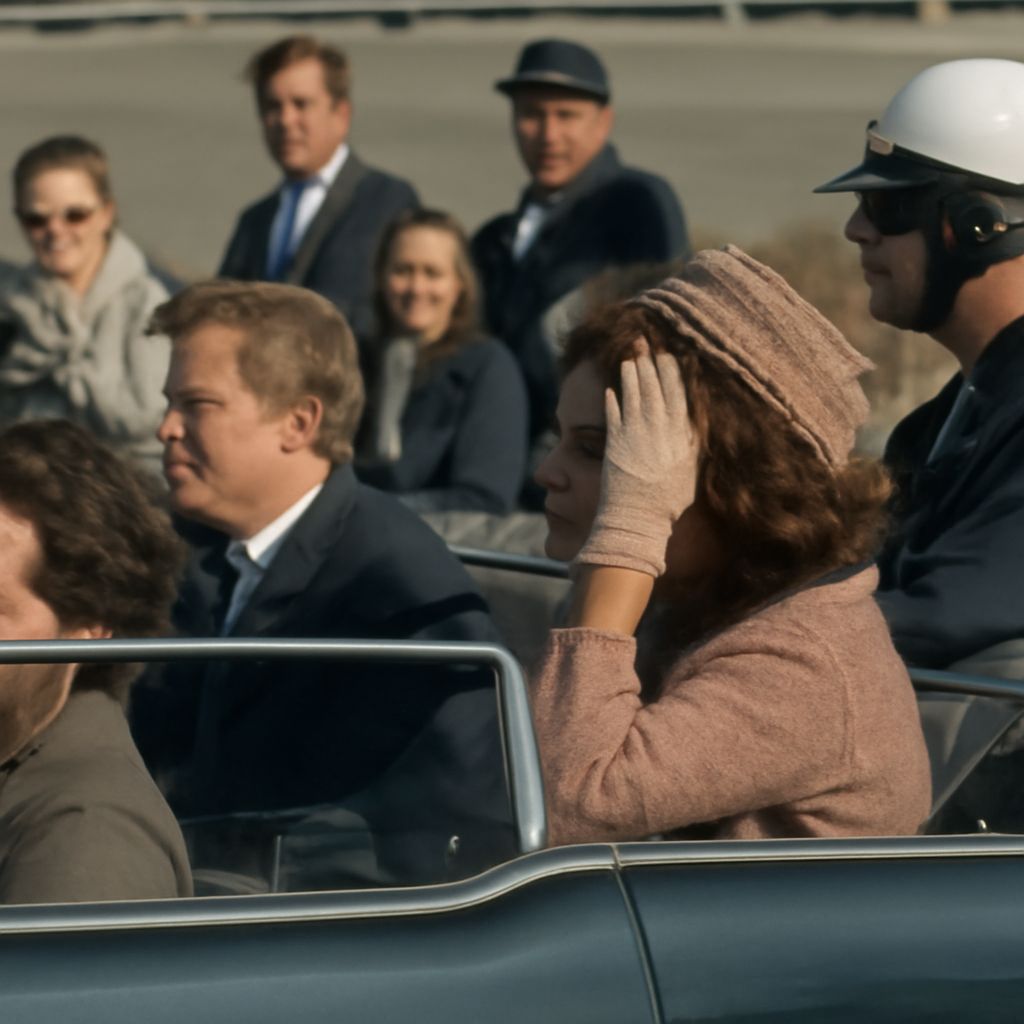
The assassination of President John F. Kennedy on November 22, 1963, remains one of the most discussed events in American history. Central to this conversation is Lee Harvey Oswald, the man accused of shooting JFK. Understanding why Oswald killed JFK involves examining his background, potential motives, and the conspiracy theories that have emerged over the years.
Background of Lee Harvey Oswald
Lee Harvey Oswald was born on October 18, 1939, in New Orleans, Louisiana. His early life was marked by instability. With his father passing away before he was born, Oswald’s mother struggled to provide a stable environment. This led to Oswald spending much of his youth in various homes and orphanages.
Oswald joined the U.S. Marine Corps at age 17, where he gained skills in marksmanship. However, his time in the Marines was troubled, and he was eventually discharged. A self-proclaimed Marxist, Oswald defected to the Soviet Union in 1959, only to return to the United States in 1962 with his Russian wife, Marina.
Motives Behind the Assassination
Understanding why Oswald killed JFK is complex, with several factors potentially influencing his actions. Oswald’s political beliefs might have played a significant role. His Marxist ideology often put him at odds with the American government, and he expressed disdain for its policies.
Some historians suggest that Oswald’s desire for recognition and significance drove him to assassinate President Kennedy. He was often described as a loner, and the act of killing a sitting president could have been viewed by him as a way to assert his importance on the world stage.
Additionally, Oswald’s personal grievances cannot be overlooked. He had a history of feeling wronged and marginalized, which might have contributed to his radical actions.
Conspiracy Theories
The assassination of JFK has spawned numerous conspiracy theories, many of which question Oswald’s role as the sole perpetrator. Some believe he was part of a larger conspiracy involving the CIA, the Mafia, or other political figures.
One prevalent theory suggests that Oswald was a patsy, a scapegoat used to hide the true perpetrators. Despite the Warren Commission’s conclusion that Oswald acted alone, public skepticism persists, fueled by inconsistencies and unanswered questions surrounding the event.
Another theory posits that the assassination was linked to conflicts over U.S. policy towards Cuba. Oswald’s own pro-Castro activities, such as distributing propaganda for the Fair Play for Cuba Committee, add a layer of complexity to these theories.
Impact on American Politics
The assassination of JFK had a profound impact on American politics and society. It marked a turning point in the national psyche, leading to a loss of innocence and an increase in public skepticism toward government institutions.
The event also ushered in significant political changes, including the passage of the Civil Rights Act and the escalation of the Vietnam War. Johnson’s presidency, succeeding Kennedy, was shaped significantly by the immediate aftermath of the assassination.
Moreover, the assassination led to increased security measures for public officials and changes in how Secret Service operations were conducted. The ripple effects of Oswald’s actions continue to influence political discourse and public trust in government to this day.