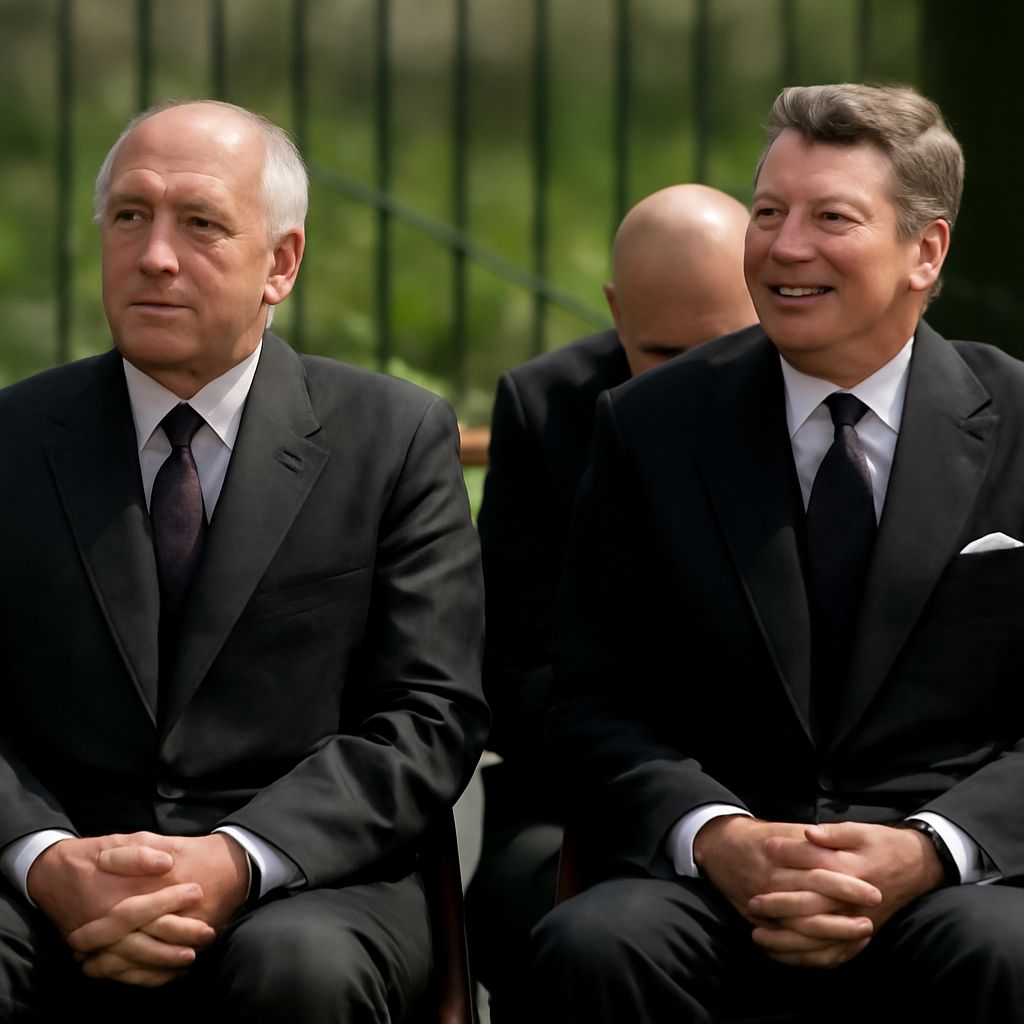
Mikhail Gorbachev, a pivotal figure in the history of the 20th century, is often remembered for his role in ending the Cold War and initiating significant reforms in the Soviet Union. Many people still wonder: is Gorbachev still alive? As of the latest updates, Mikhail Gorbachev passed away on August 30, 2022. His legacy, however, continues to impact global politics and remains a topic of interest and study.
Gorbachev’s Current Status
Mikhail Gorbachev, the last leader of the Soviet Union, died at the age of 91. His passing marked the end of an era, yet the changes he set in motion are still relevant today. His contributions to the dissolution of the Soviet Union and the easing of Cold War tensions are widely recognized as crucial turning points in modern history.
Gorbachev’s Impact on Global Politics
Gorbachev is best known for his policies of glasnost (openness) and perestroika (restructuring), which aimed to revitalize the Soviet economy and make the government more transparent. These policies helped to end the Cold War and paved the way for more open relations between the Eastern and Western blocs.
His diplomatic efforts with U.S. President Ronald Reagan resulted in the Intermediate-Range Nuclear Forces (INF) Treaty, significantly reducing the threat of nuclear warfare. Gorbachev’s willingness to engage with Western leaders and his commitment to reform were instrumental in reshaping the geopolitical landscape of the time.
A Glimpse into Gorbachev’s Youth
Born on March 2, 1931, in the village of Privolnoye, Russian SFSR, young Mikhail Gorbachev grew up in a peasant family. His early experiences of hardship during World War II and his work on collective farms influenced his later political ideology. Gorbachev’s pursuit of education led him to Moscow State University, where he studied law and joined the Communist Party.
During his youth, Gorbachev developed a reputation for his intellect and political acumen. These traits served him well as he climbed the ranks of the Soviet political system, ultimately leading to his appointment as General Secretary of the Communist Party in 1985.
Key Achievements and Challenges
One of Gorbachev’s most notable achievements was the peaceful end to the Cold War, a conflict that had divided the world for decades. His progressive policies and diplomatic negotiations earned him the Nobel Peace Prize in 1990, a testament to his efforts in reducing global tensions.
Despite his successes, Gorbachev faced significant challenges. His reforms were met with resistance within the Soviet Union, leading to economic difficulties and political unrest. The dissolution of the Soviet Union in 1991 marked a dramatic end to his leadership, leaving a mixed legacy of both monumental achievements and profound challenges.
Gorbachev’s life and legacy continue to be studied and debated, reflecting the complexity of his role in global history. While he is no longer alive, his influence endures, reminding us of the power of bold leadership and courageous diplomacy.