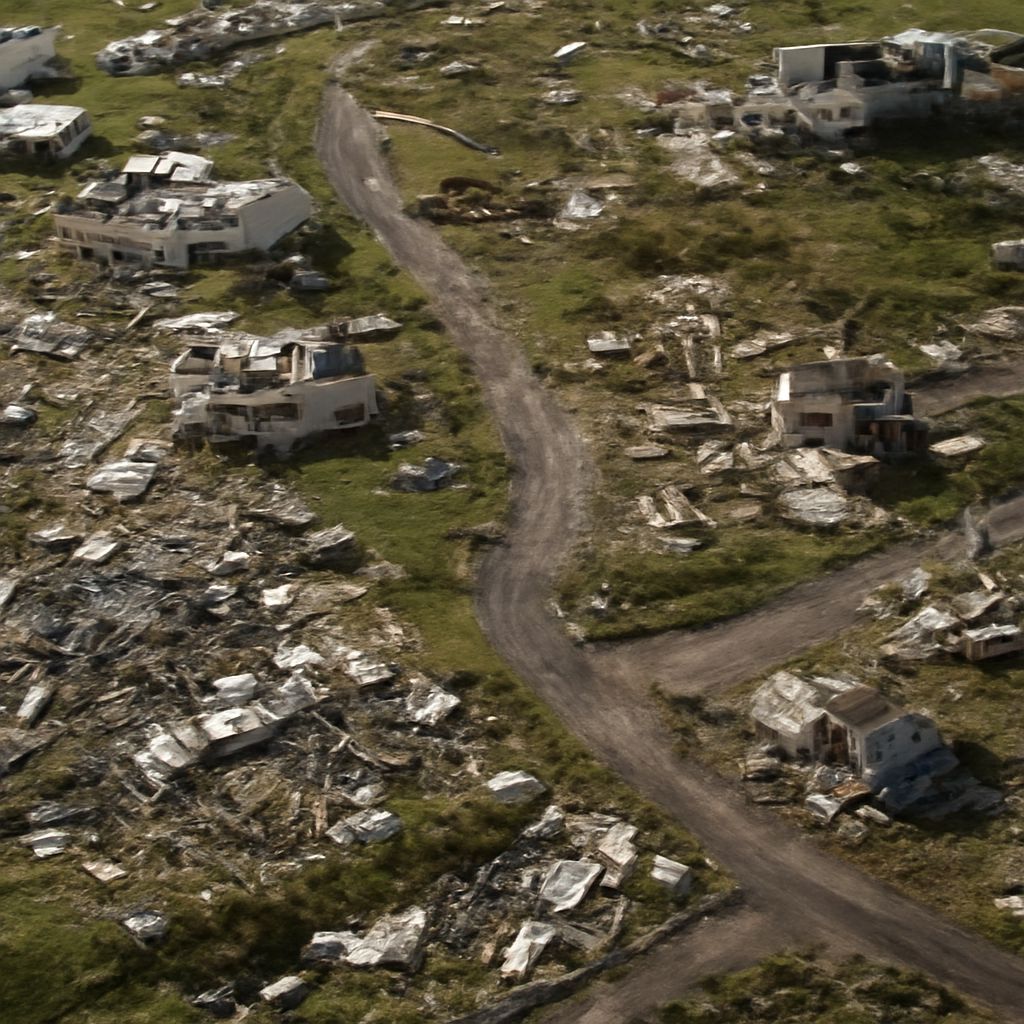
Hurricane Maria stands as one of the most destructive natural disasters in Puerto Rico’s history. The hurricane struck the island in 2017, causing widespread destruction, a massive humanitarian crisis, and a slow recovery that is still ongoing. Understanding the timeline, impact, and aftermath of this storm is crucial for grasping both its immediate and long-term effects on Puerto Rico.
When Did Hurricane Maria Hit Puerto Rico?
Hurricane Maria made landfall in Puerto Rico on September 20, 2017. It arrived in the early morning hours, striking the southeastern coast near the town of Yabucoa. The storm’s eye crossed the island from southeast to northwest in a matter of hours, but its effects were felt far longer.
Many residents still remember exactly when Hurricane Maria hit Puerto Rico because it marked a turning point in the island’s modern history. The storm moved slowly enough that hurricane-force winds and torrential rain battered the island for more than 30 hours. The timing proved devastating: Maria made landfall less than two weeks after Hurricane Irma had grazed the island, leaving communities already vulnerable.
September 20, 2017, is now a solemn anniversary for Puerto Rico. Schools, businesses, and homes were caught off guard by the storm’s intensity. Communication and power failures began quickly, leaving the population isolated and in danger as Maria swept over the island.
Understanding when Hurricane Maria hit Puerto Rico helps explain the depth of the crisis that followed. The hurricane’s timing—at the peak of the Atlantic hurricane season—exacerbated Puerto Rico’s challenges and tested its capacity for emergency response.
Hurricane Maria 2017: Storm Path and Strength
Hurricane Maria 2017 was a powerful Category 4 hurricane at landfall, with sustained winds of 155 miles per hour. The National Hurricane Center classified it as the strongest hurricane to strike Puerto Rico since 1928. Maria formed as a tropical storm on September 16, rapidly intensifying as it passed through the Caribbean.
The storm’s path brought it directly over the island, cutting a diagonal swath from Yabucoa in the southeast to the northwest coast. Maria’s center was so wide that hurricane-force winds covered the entire island. Torrential rain—up to 38 inches in some areas—caused flash floods and landslides, especially in mountainous regions.
Maria’s approach was closely tracked, but the storm’s intensity surprised many. The hurricane quickly grew from a Category 1 to a Category 5 in less than 24 hours before weakening slightly at landfall. As it crossed Puerto Rico, it weakened over land, but not before inflicting catastrophic wind, rain, and storm surges. The powerful winds uprooted trees, stripped roofs, and destroyed power lines, while rising waters washed out bridges and roads.
The hurricane Maria Puerto Rico disaster was worsened by its slow movement and direct hit. The entire island fell within the worst part of the storm, leaving no community untouched. The path and strength of Maria set it apart from other storms in Puerto Rico’s history and contributed to its lasting damage.
The Devastation in Puerto Rico
The damage caused by Hurricane Maria in Puerto Rico was unprecedented. Nearly every home on the island sustained some form of damage, and many rural communities were completely isolated for weeks. The hurricane destroyed much of the electrical grid, leaving 3.4 million people without power—some for up to a year.
Hospitals, schools, communication towers, and water systems were also heavily damaged or destroyed. The loss of power and communications created a humanitarian crisis as emergency responders struggled to reach those in need. Many communities faced food and water shortages, and roads blocked by debris made relief efforts slow and difficult.
The official death toll from Maria has been a point of debate. Initially, only dozens of deaths were reported, but later estimates put the number at nearly 3,000, making it one of the deadliest disasters in U.S. territory history. Many of these deaths resulted from lack of access to medical care and critical services in the weeks and months after the storm.
The economic impact was also severe. Tens of thousands of businesses closed, agriculture was decimated, and the island’s infrastructure suffered billions of dollars in damage. The storm’s devastation left a lasting mark on the landscape, economy, and collective memory of Puerto Rico.
Aftermath and Recovery Efforts
Recovery from Hurricane Maria 2017 has been slow and difficult. The immediate aftermath saw local governments, the federal government, and international aid organizations mobilize to provide relief. However, logistical challenges, damaged infrastructure, and delayed responses complicated these efforts.
Restoring electricity became the central challenge, with some rural areas waiting nearly a year for power to return. Clean water, food, and medical supplies trickled into isolated areas, but many residents relied on community networks and mutual aid to survive the first months. Rebuilding critical infrastructure—roads, schools, and health facilities—took years, with some projects still ongoing several years later.
The storm also accelerated migration from Puerto Rico to the mainland United States, as thousands sought stability and opportunity elsewhere. Federal aid, insurance payments, and nonprofit efforts supported rebuilding, but progress was slowed by bureaucracy and funding gaps.
Despite the hardships, communities in Puerto Rico have shown resilience. Local groups and leaders played a key role in organizing relief and recovery. Lessons learned from Hurricane Maria have led to investments in disaster preparedness, renewable energy, and stronger community networks. The experience of Maria continues to shape how Puerto Rico prepares for future hurricanes and works toward long-term resilience.