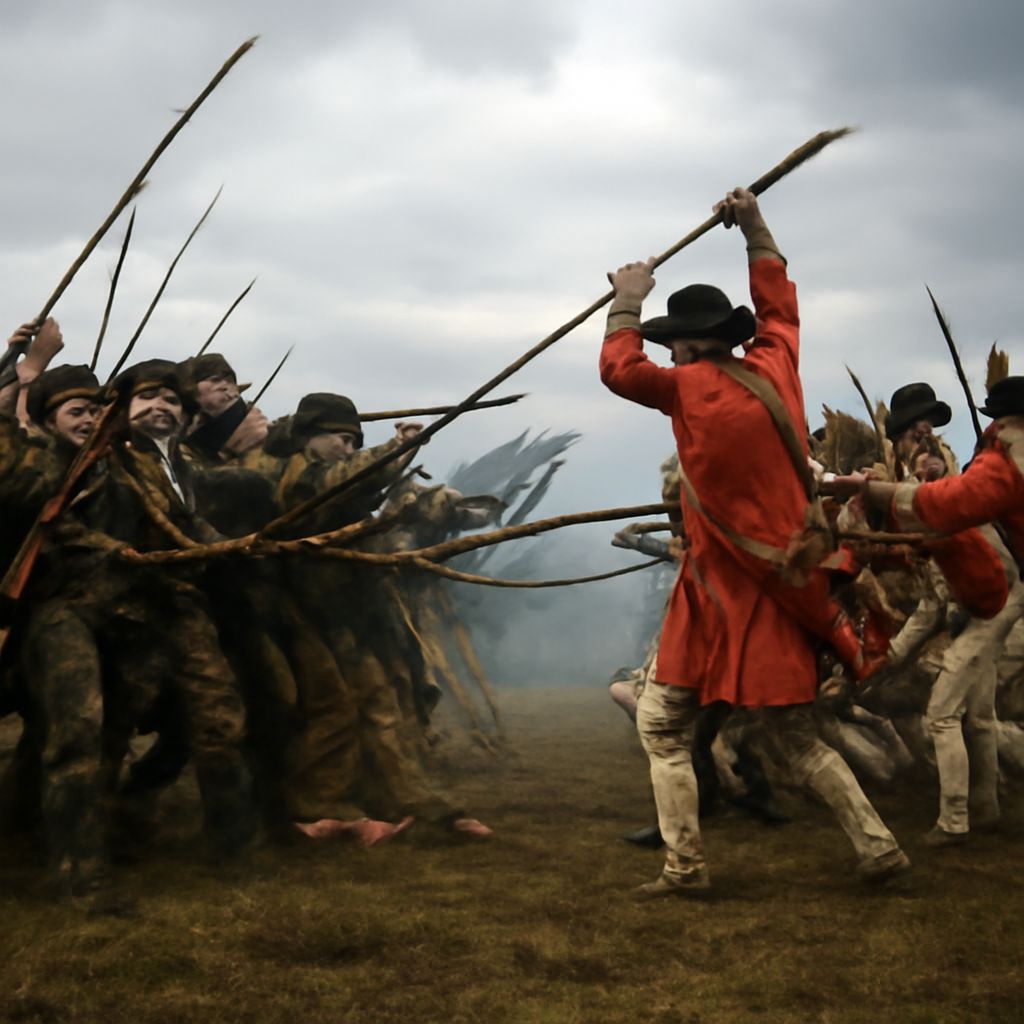
The Battle of Culloden stands as one of the most decisive and tragic moments in Scottish history. Fought on April 16, 1746, Culloden ended the Jacobite rising and marked the last pitched battle on British soil. Its effects dramatically altered the political and cultural landscape of Scotland, leaving a legacy that is still felt today.
Origins of the Battle of Culloden
The road to Culloden was paved by decades of conflict between the Jacobites—supporters of the exiled Stuart dynasty—and the Hanoverian government ruling Great Britain. The Jacobite cause centered on restoring James Francis Edward Stuart and his descendants to the throne. Many Highland clans backed the Stuarts, motivated by loyalty, tradition, and opposition to centralized British rule.
The immediate lead-up to the battle began in July 1745 when Charles Edward Stuart, known as Bonnie Prince Charlie, landed in Scotland to launch what would become the final Jacobite uprising. Gathering support from Highland clans, his army made a rapid advance, capturing Edinburgh and even marching into England as far as Derby. However, the lack of widespread support, especially from English Jacobites and the French, weakened the rebellion’s prospects.
The Jacobites retreated back to Scotland during the winter of 1745–46, pursued by government forces under Prince William, Duke of Cumberland. Tensions mounted as the two armies maneuvered through the Highlands. By April, the Jacobites regrouped near Inverness, choosing the flat, marshy field of Culloden Moor as their defensive ground—though not all leaders agreed it was a wise choice.
Key Events and Tactics at Culloden
The battle began in the late morning of April 16. The government army, numbering about 8,000 men, faced a Jacobite force of roughly 5,000. The government troops were well-trained, well-fed, and equipped with artillery, while many Jacobites were exhausted from a failed night march and short on supplies.
The government line, led by Cumberland, formed a disciplined wall of infantry and artillery. In contrast, the Jacobites stuck with their traditional tactic: the Highland charge. This aggressive rush had brought them victory in earlier encounters, but Culloden’s open, boggy ground slowed their advance. As the Highlanders charged, they were met by a withering artillery and musket barrage.
The government’s flanking maneuver and focused fire decimated the Jacobite lines. The charge faltered, and chaos spread among the Highlanders. Within an hour, the Jacobite army was in full retreat, leaving the field littered with the dead and wounded. The government army suffered under 400 casualties, while Jacobite losses were much higher—estimates range from 1,200 to 2,000 killed or wounded.
The battle’s outcome was a clear and crushing defeat for the Jacobites. Bonnie Prince Charlie escaped the field but was soon forced to flee Scotland altogether, ending his hopes of reclaiming the throne.
Aftermath and Consequences
The aftermath of the battle of Culloden was brutal. Determined to stamp out further rebellion, Cumberland’s troops pursued fleeing Jacobites and carried out harsh reprisals across the Highlands. Suspected rebels were executed, settlements were burned, and thousands were arrested or forced into exile.
The British government quickly enacted laws to dismantle the Highland clan system, which had supported the Jacobite cause. The Act of Proscription prohibited the wearing of Highland dress and carrying of weapons. The Heritable Jurisdictions Act stripped clan chiefs of their legal powers. These measures were designed to break the traditional power structures and enforce loyalty to the crown.
Economic hardship followed, as communities lost leaders and many families were displaced. The cultural suppression contributed to a wave of emigration, with many Scots moving to North America and beyond. In the decades that followed, the Scottish Highlands experienced profound social and economic changes, including the infamous Highland Clearances.
Culloden also had significant political consequences. The Hanoverian monarchy became more secure, and the threat of Jacobite uprisings all but disappeared from British politics. The unity of Great Britain was reinforced, but at the cost of deep scars in Scottish society.
Culloden’s Legacy in Scottish Memory
Today, Culloden remains a powerful symbol in Scottish memory and identity. The battlefield itself has been preserved as a war grave and memorial site, drawing thousands of visitors each year. The National Trust for Scotland maintains the site, offering educational exhibits that explore both the battle and its wider impact.
For many Scots, Culloden represents not just a military defeat but also the loss of a way of life. It is remembered in songs, literature, and folklore as a turning point that ended Highland culture’s dominance. Events at Culloden are commemorated every April, with descendants and history enthusiasts gathering to honor those who fought and died.
Culloden’s influence extends into popular culture, appearing in novels, films, and television series that explore the themes of loyalty, loss, and resistance. The battle shaped attitudes toward Scottish identity and the nation’s relationship with the rest of the UK. It remains a focal point in debates about heritage, autonomy, and national pride.
The legacy of the battle of Culloden endures, reminding Scotland and the world of the high cost of conflict and the resilience of cultural memory. Its lessons continue to inspire reflection on the meaning of identity, tradition, and the consequences of war.