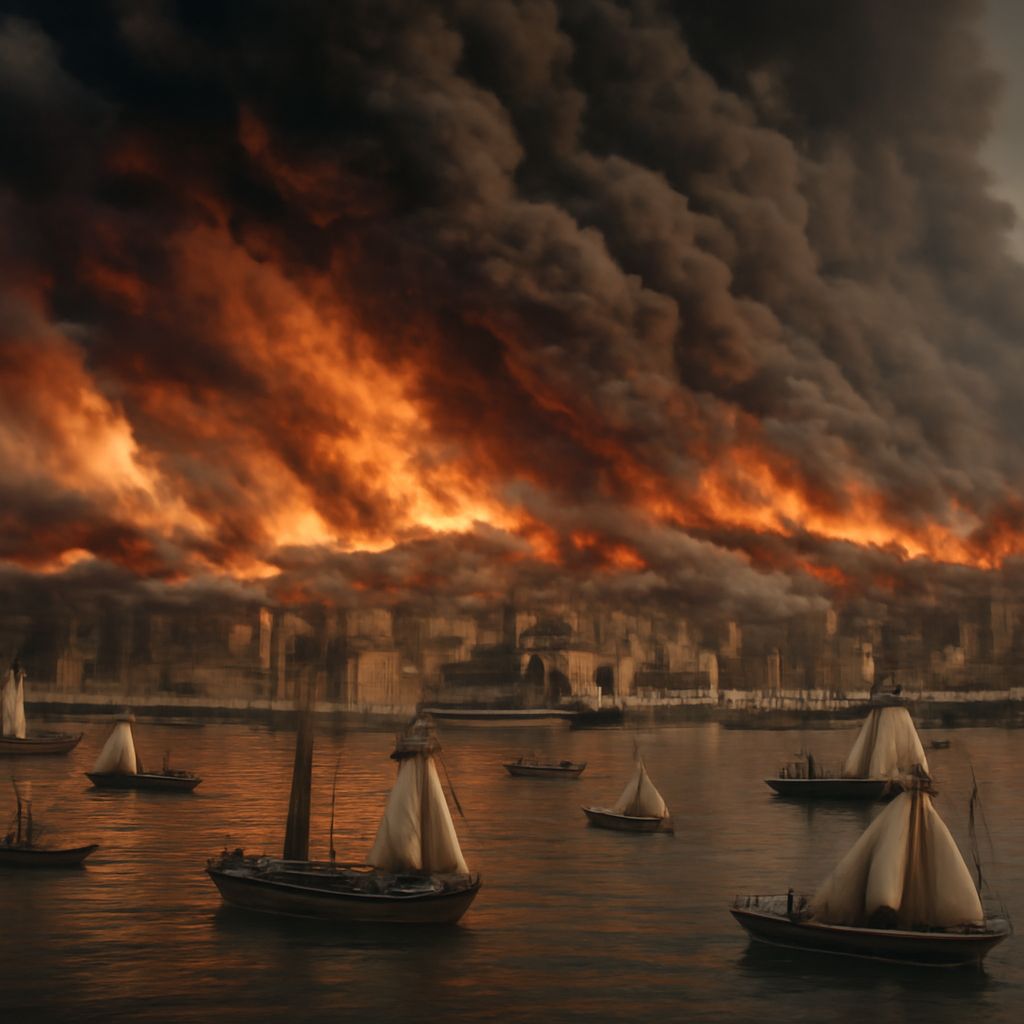
The Great Chicago Fire of 1871 stands as one of the most devastating urban disasters in American history. In just under three days, this catastrophic event destroyed more than three square miles of Chicago, leaving behind a city in ruins but also paving the way for a remarkable period of recovery and transformation. Understanding the great Chicago fire is essential for anyone interested in Chicago fire history, as its impact continues to shape the city’s identity even today.
What Was the Great Chicago Fire?
The Great Chicago Fire refers to a massive blaze that swept through Chicago from the evening of October 8 to the morning of October 10, 1871. In total, the fire killed approximately 300 people, left over 100,000 residents homeless, and destroyed roughly 17,500 buildings. The flames consumed the heart of Chicago, including homes, businesses, and iconic structures, sparing little in their path.
This tragedy was not the first or last major fire in the city, but it quickly became the most infamous chapter in Chicago fire history. The sheer scale of destruction brought national and international attention, highlighting the risks of rapid urban growth and the vulnerabilities of cities built mostly from wood. The Chicago fire of 1871 became a landmark event not only because of its devastation but because it prompted sweeping changes in urban planning and fire safety.
After the fire, stories emerged about its origins and aftermath, including the famous but incorrect legend that a cow owned by Mrs. O’Leary started the blaze. While the real cause was never confirmed, the event itself became a defining moment for Chicago and a turning point in the fire’s history.
Causes and Outbreak of the Fire
Several factors combined to make the Chicago fires of October 1871 so destructive. At the time, Chicago had experienced a long, dry summer with little rainfall. The city’s buildings, sidewalks, and even many streets were made primarily of highly flammable wood. This created a perfect environment for fire to spread rapidly once it began.
The fire reportedly started in or near a small barn behind the O’Leary family’s home on DeKoven Street, on the city’s southwest side. While the popular story blames Mrs. O’Leary’s cow for kicking over a lantern, a later investigation found no solid evidence for this claim. What is clear is that the fire quickly caught in the wooden barn and jumped from building to building with the help of strong winds that blew embers across the city.
Chicago’s fire response in 1871 was limited. Firefighters were already exhausted from battling another large fire the previous day, and the city’s waterworks system was poorly equipped to handle such a massive blaze. As the fire grew, it created its own wind patterns, causing fire whirls and spreading burning debris across rivers and streets that might otherwise have stopped the flames. These conditions allowed the great Chicago fire to rage out of control and consume much of the city’s core.
By the time rain finally helped extinguish the fire in the early hours of October 10, the damage was almost unimaginable. The city’s business district, government buildings, and thousands of homes had been reduced to ash.
The Aftermath and Recovery
The aftermath of the Chicago fire of 1871 was marked by chaos, hardship, and an urgent need for organized recovery. With over 100,000 people homeless and essential city infrastructure destroyed, survivors faced immediate humanitarian crises. Makeshift shelters sprang up in parks and along the shores of Lake Michigan. Relief efforts began almost immediately, with donations and supplies pouring in from across the country and even from overseas.
Many Chicagoans who lost everything had to decide whether to rebuild their lives in the city or move elsewhere. Despite the challenges, thousands chose to stay. Chicago’s business leaders and city officials quickly organized rebuilding efforts. Temporary wooden structures went up first, followed by new buildings designed to be more fire-resistant. Brick, stone, and iron replaced wood as the standard materials for construction. The city rewrote building codes, mandating safer and more durable designs.
Financial support came from insurance companies, private donations, and public fundraising campaigns. The rebuilding of Chicago happened at a rapid pace, with new homes and businesses rising within weeks. By the end of 1872, much of the city had been restored, and its population was on the rebound.
The Chicago fire history books often highlight the city’s resilience during this recovery period. The disaster revealed deep inequalities, as poorer neighborhoods suffered most and were slower to recover. However, the fire also inspired reforms in public safety, urban planning, and social welfare programs that would benefit the city in the years to come.
The Fire’s Lasting Impact on Chicago
The great Chicago fire profoundly changed the city’s trajectory, making it a symbol of resilience and innovation. One of the most significant outcomes was a complete transformation in how Chicago approached urban development. The new building codes and emphasis on fire-resistant materials set a national standard for city construction, influencing urban planning across the United States.
The rebuilding process attracted architects and engineers from around the world. This led to a construction boom and the birth of the Chicago School of architecture, marked by taller buildings and pioneering designs. Landmarks like the Home Insurance Building, often called the world’s first skyscraper, rose from the ashes of the fire. In this way, the aftermath of the Chicago fire of 1871 helped make Chicago a leader in modern architecture.
Beyond physical reconstruction, the fire’s legacy can be seen in the city’s identity. Annual commemorations, public monuments, and museums continue to honor those affected and educate future generations. The disaster remains a touchstone in Chicago fire history, illustrating the challenges of urban growth and the importance of community response.
Today, the story of the great Chicago fire serves as both a cautionary tale and a source of civic pride. It reminds Chicagoans—and all city dwellers—of the risks of neglecting safety and the power of collective action in the face of tragedy.