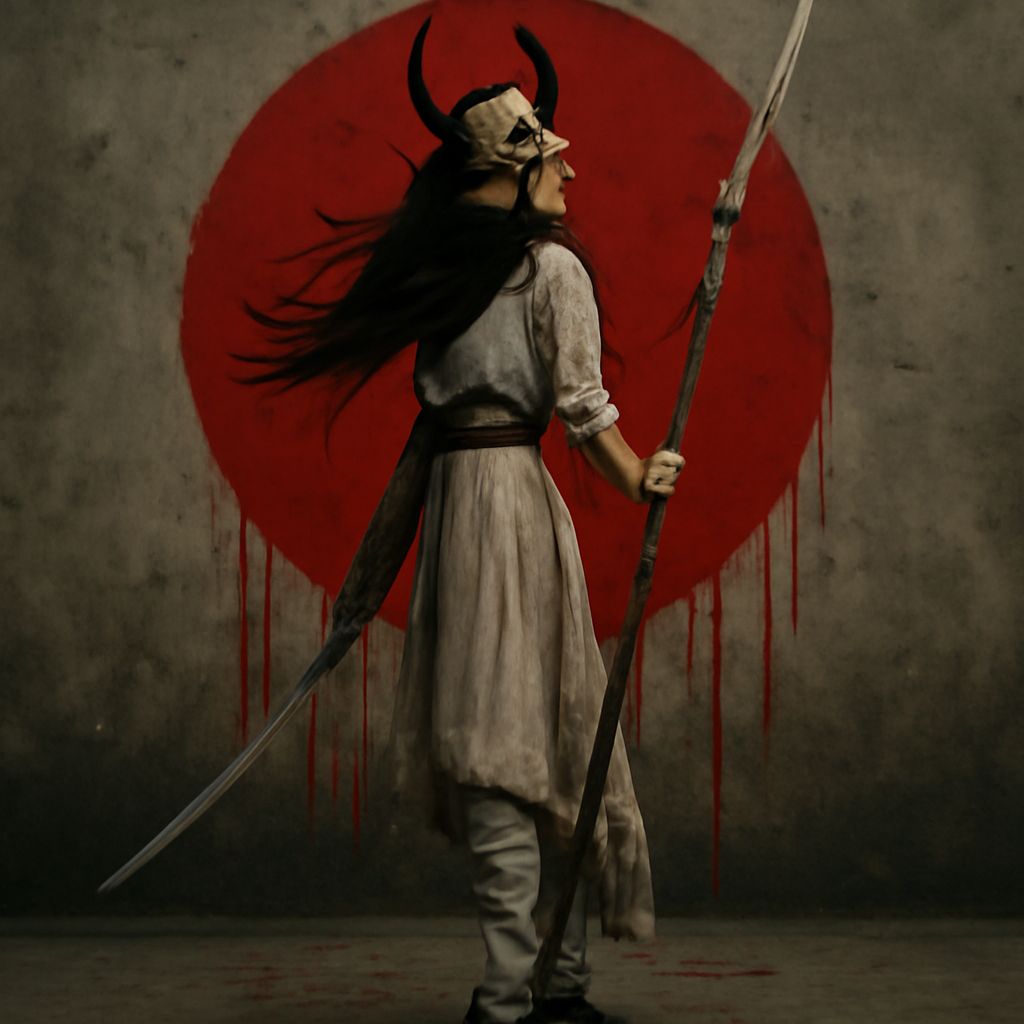
The history of the female samurai is more complex and fascinating than most people realize. While samurai culture is often associated with stoic male warriors, hundreds of Japanese female warriors played critical roles in battles, leadership, and clan defense throughout Japan’s long feudal era. These women challenged the traditional gender roles of their time and left a lasting mark on samurai tradition.
This article uncovers the stories of these remarkable women, exploring who they were, how they trained, their famous exploits, and the legacy they left behind in Japanese society.
Who Were the Female Samurai?
Female samurai, often called onna-bugeisha (female martial artist), belonged to the bushi (warrior) class in feudal Japan. While not as numerous or as publicly celebrated as their male counterparts, these women were trained to defend their families, estates, and honor during times of conflict. The concept of a Japanese female warrior was established by necessity: in periods of war or when men were away on campaigns, women needed to defend castles, villages, and the future of their clans.
Onna-bugeisha were most common during the Heian, Kamakura, and Sengoku periods, roughly spanning the 8th to 17th centuries. Their existence is documented in ancient texts, clan records, and artwork. Most female samurai came from noble families and received education in martial arts, strategy, and leadership, preparing them to take command or fight when needed.
Unlike the better-known geisha or courtly ladies, the female samurai trained in combat and wore armor. They wielded weapons such as the naginata, a long-bladed polearm suited to their stature, as well as daggers and bows. The expectations placed on these women were high—they were guardians of their families’ honor, and their bravery was both respected and feared.
The stories of female samurai reveal a unique side of Japanese history, where women could—and did—hold power, command armies, and display loyalty equal to that of any male warrior.
Famous Japanese Female Warriors
Several legendary Japanese female warriors stand out for their courage and achievements. These women not only fought in battles but also influenced the course of Japanese history through their leadership and determination.
Tomoe Gozen is perhaps the most legendary female samurai. Serving under Minamoto no Yoshinaka during the late Heian period, Tomoe Gozen was renowned for her skill with the bow and sword. She fought bravely in the Genpei War (1180–1185), reportedly leading troops and personally defeating numerous enemies in single combat. Her story is celebrated in literature and folklore, symbolizing the ideal of the fearless female warrior.
Hōjō Masako was another influential figure, although more a strategist and leader than a battlefield fighter. After the death of her husband, the first shogun of the Kamakura shogunate, she became a powerful political force. She led her clan through turbulent times, preserving the power of the Hōjō family and shaping Japanese politics for decades.
Hangaku Gozen fought alongside her brother in the Kennin Rebellion (early 13th century). Known for her mastery of the bow and naginata, she defended Torisaka Castle against overwhelming odds, inspiring both men and women with her valor.
Other notable female samurai include Nakano Takeko, who led a unit of women during the Boshin War (1868–1869), and Myorin, a warrior nun who defended Tsurusaki Castle. These women—and many unnamed others—proved that women could fight just as fiercely as men and command respect on the battlefield.
Roles and Training of Female Samurai
The roles of female samurai were shaped by both societal need and family expectations. While most did not serve as frontline soldiers in the same way as male samurai, their training was rigorous and their responsibilities significant.
Young girls of samurai families began martial training early. The most common weapon was the naginata. Its reach allowed women to keep opponents at bay, making it effective for defending homes and castles. Training also included archery, swordsmanship, horseback riding, and hand-to-hand combat. Martial skills were often taught by family members or private tutors, with an emphasis on discipline and self-control.
Female samurai were also expected to be educated in literature, poetry, etiquette, and household management. This dual focus on martial and cultural education reflected the samurai ideal of bunbu ryōdō—the way of both pen and sword. Women learned strategy, first aid, and even diplomacy, so they could maintain alliances and manage affairs during their husbands’ absences.
In wartime, female samurai defended castles, organized logistics, and rallied villagers. Many led or inspired all-female fighting units, sometimes known as joshigun. These groups provided crucial support during sieges or raids and sometimes fought to the death to protect their families and honor.
Despite the challenges, the achievements of Japanese female warriors were documented and, in some cases, celebrated in family chronicles and local histories, ensuring their stories would not be forgotten.
Legacy of Women in the Samurai Class
The influence of female samurai extends far beyond the battlefield. Their courage and leadership challenged gender roles and inspired later generations. Although the samurai class was officially dissolved in the late 19th century, the stories of Japanese female warriors remain a source of pride and fascination in modern Japan.
Today, the legacy of these women is visible in martial arts schools that continue to teach naginata-do, a discipline once associated specifically with female warriors. Literature, film, and television also bring these stories to new audiences, showcasing the strength and resilience of women in Japanese history.
The tales of female samurai serve as early examples of women breaking barriers and taking on roles traditionally reserved for men. Their existence challenges the stereotype of passive or powerless women in the past, proving that bravery and honor know no gender. Museums, reenactments, and festivals in Japan now celebrate these remarkable women, ensuring their contributions are recognized and remembered for generations to come.
Through their actions, female samurai have left an enduring mark not just on Japanese culture, but on the broader understanding of women’s roles in the martial traditions of the world.