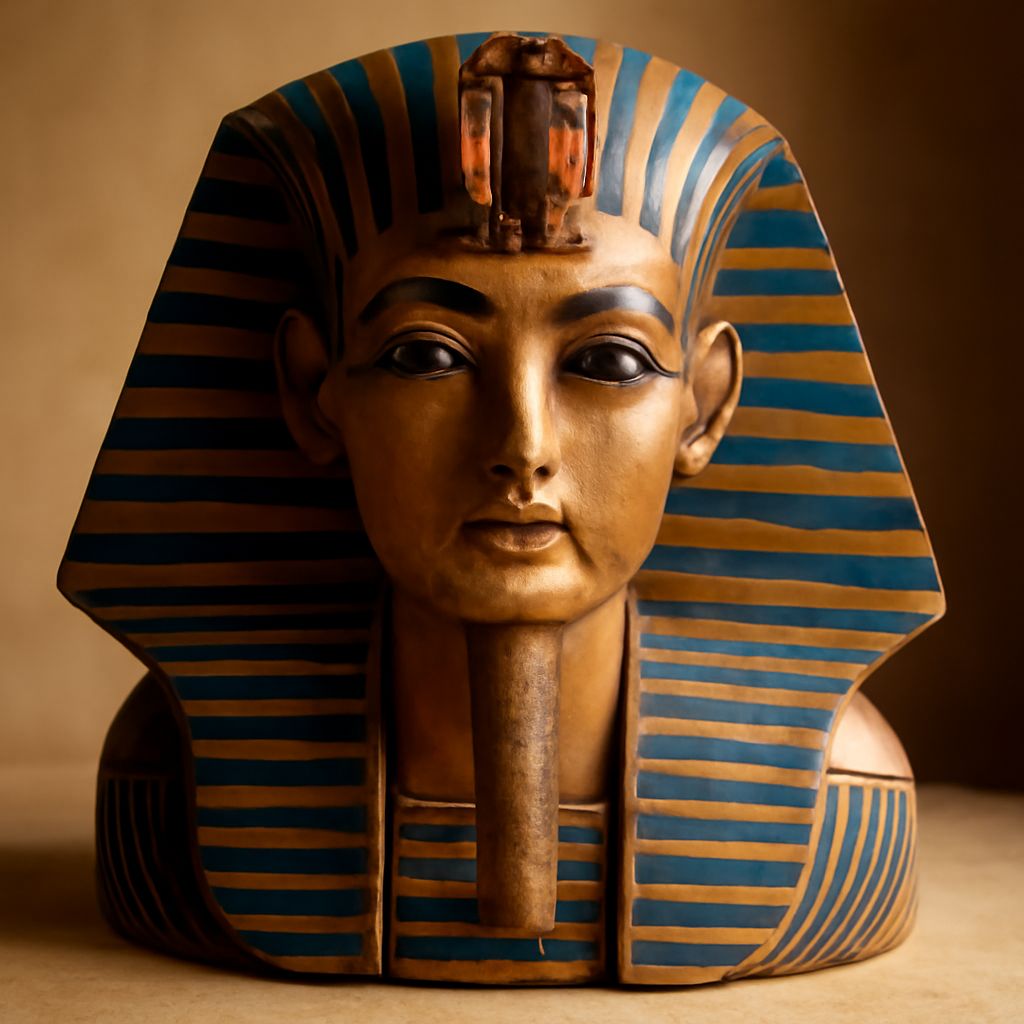
Ramesses II, often known as King Ramses II or Ramses the Great, is one of ancient Egypt’s most celebrated pharaohs. His reign, which began in 1279 BCE and lasted for 66 years, marked a period of great prosperity and cultural flourishing. Known for his military prowess, architectural feats, and influence on culture and politics, Ramesses II left a lasting legacy that continues to captivate historians and archaeologists today. This article delves into the significant achievements and enduring impact of this remarkable leader.
Introduction to Ramesses II
Known as one of the most powerful pharaohs of ancient Egypt, Ramesses II was the third ruler of the Nineteenth Dynasty. His reign is often considered the zenith of Egyptian power and culture. Ramesses II was not just a king but a military leader, a builder, and a cultural icon who embodied the might and majesty of Egypt. His reign is characterized by ambitious projects and campaigns that expanded Egypt’s territory and influence.
Military Achievements
One of Ramesses II’s most notable accomplishments was his military campaigns, which greatly expanded Egypt’s influence. The Battle of Kadesh, fought against the Hittites, is perhaps the most famous military engagement of his reign. Although the battle ended in a stalemate, it showcased Ramesses II’s tactical prowess and solidified his reputation as a formidable military leader.
Following the Battle of Kadesh, Ramesses II negotiated one of the earliest known peace treaties, which brought stability and prosperity to both Egypt and the Hittite Empire. His military campaigns were not only about conquest but also about securing Egypt’s borders and trade routes, ensuring economic prosperity.
Architectural Contributions
Ramesses II is renowned for his monumental building projects that reflected his power and ambition. Among his most famous constructions are the temples at Abu Simbel, which were carved out of solid rock. These colossal structures were designed to convey the grandeur of his reign and to intimidate potential adversaries.
The Ramesseum, a massive funerary temple, is another testament to Ramses II’s architectural achievements. Located on the west bank of the Nile River, near Thebes, this complex served as a place of worship and a symbol of his enduring legacy. His building projects were not only displays of power but also efforts to promote religious and cultural cohesion throughout his empire.
Cultural and Political Influence
Beyond his military and architectural achievements, Ramesses II significantly impacted Egyptian culture and politics. He was a patron of the arts, and his reign saw a flourishing of artistic expression and religious devotion. The pharaoh was often depicted in art and inscriptions as a living god, reinforcing the divine nature of his rule.
Politically, Ramesses II was a shrewd leader who maintained Egypt’s stability through strategic alliances and marriages. He married several women, including Nefertari, who played a key role in fostering diplomatic relations. His diplomatic acumen ensured a long period of peace and prosperity, allowing Egyptian culture to thrive.
In conclusion, the legacy of Ramesses II, also known as Ramses Pharaoh, is one of unparalleled achievements in military, architecture, culture, and politics. His reign not only strengthened Egypt’s position as a dominant power in the ancient world but also left a lasting imprint on the history and culture of Egypt that endures to this day.